Tsim Sha Tsui — TST, to anyone who lives here — is the southern tip of Kowloon, the peninsula that juts into Victoria Harbour toward Hong Kong Island. It is, by any reasonable measure, one of the most commercially saturated square kilometres on earth. The watch shops on Canton Road can make a person feel faintly ill. The tourist buses idle outside the Peninsula Hotel in a diesel haze. On weekends, the waterfront promenade achieves a density of selfie sticks that constitutes its own minor weather system.
And yet. The district also contains a nineteenth-century marine police headquarters converted with unusual restraint into a heritage complex, a space museum whose dome has been a Kowloon landmark since the late 1970s, and ferry piers from which the crossing to Hong Kong Island costs less than a cup of coffee and takes eight minutes and remains, after all these years, genuinely moving. The trick with TST — and with Hong Kong more broadly — is to resist the itinerary that the city's tourist infrastructure has prepared for you, and to pay attention instead to what is actually in front of you. This article is an attempt at that. I have not always succeeded.
At a glance
- 1881 Heritage: Storia e Cultura a Hong Kong — the marine police station that became a mall, and why that's more interesting than it sounds
- Zaha Hadid: Innovation Tower (Jockey Club Tower) — a building that argues with its surroundings, and wins
- The Hong Kong Space Museum: what a 1970s planetarium tells you about a city's ambitions
- The Avenue of Stars in Tsim Sha Tsui East, Kowloon: a film industry's monument to itself, and a harbour view that earns its reputation
- Scopri la Magia dell'Avenue of Stars a Hong Kong: the same promenade, a different hour, a different city
- Esplorando il Mercato Notturno di Temple Street a Hong Kong: a flea market that has survived its own fame
- Temple Street named after Tin Hau temple: the street before the market, and the temple at its centre
- Golden Bauhinia Square in Hong Kong: a plaza built to mark a handover, and what it means now
- Come pianificare un viaggio a Hong Kong con l'AI nel 2026: navigating a city of 7.5 million people, 260 islands, and 98 MTR stations
1881 Heritage: Storia e Cultura a Hong Kong — the marine police station that became a mall, and why that's more interesting than it sounds
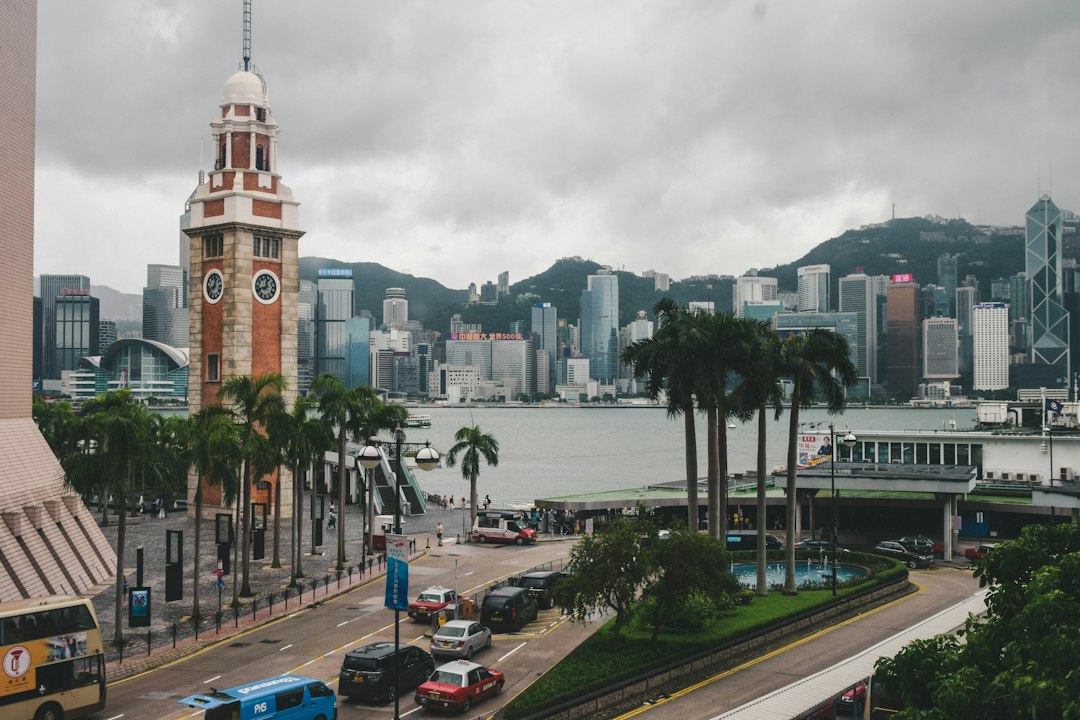
The conversion into a luxury retail and hotel complex is exactly as conflicted as you'd expect — there are Rolexes where there were once marine charts — but the bones of the place are intact, and the architectural detail rewards a slow walk. The cast-iron verandahs, the pitched rooflines, the way the main building sits on a slight elevation above Salisbury Road: these are not incidental. They are the grammar of a specific colonial ambition, and reading them carefully tells you something about what Hong Kong was being built to be.
Insider tip
Come on a weekday before 10am. The courtyard is nearly empty, the light is good, and you can photograph the time ball tower without a queue of tour groups in the frame.
Zaha Hadid: Innovation Tower (Jockey Club Tower) — a building that argues with its surroundings, and wins
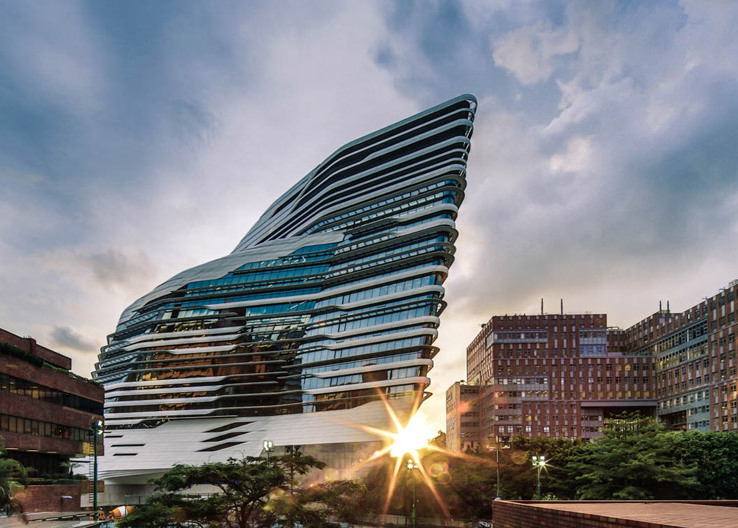
Zaha Hadid completed the tower in 2014, and it remains one of the more serious pieces of contemporary architecture in a city that has not always been kind to architectural seriousness. The building's fluid, angular form — all torqued planes and cantilevered volumes — was controversial among the university community when it was proposed, and the interior spaces are not uniformly successful. But the exterior, particularly when seen from Chatham Road at an angle, is a genuine argument about what a building can do in a dense urban context. It does not blend in. That is the point.
Insider tip
The building is on an active university campus. You can walk through the public areas freely, but avoid exam periods if you want to linger without feeling intrusive.
The Hong Kong Space Museum: what a 1970s planetarium tells you about a city's ambitions
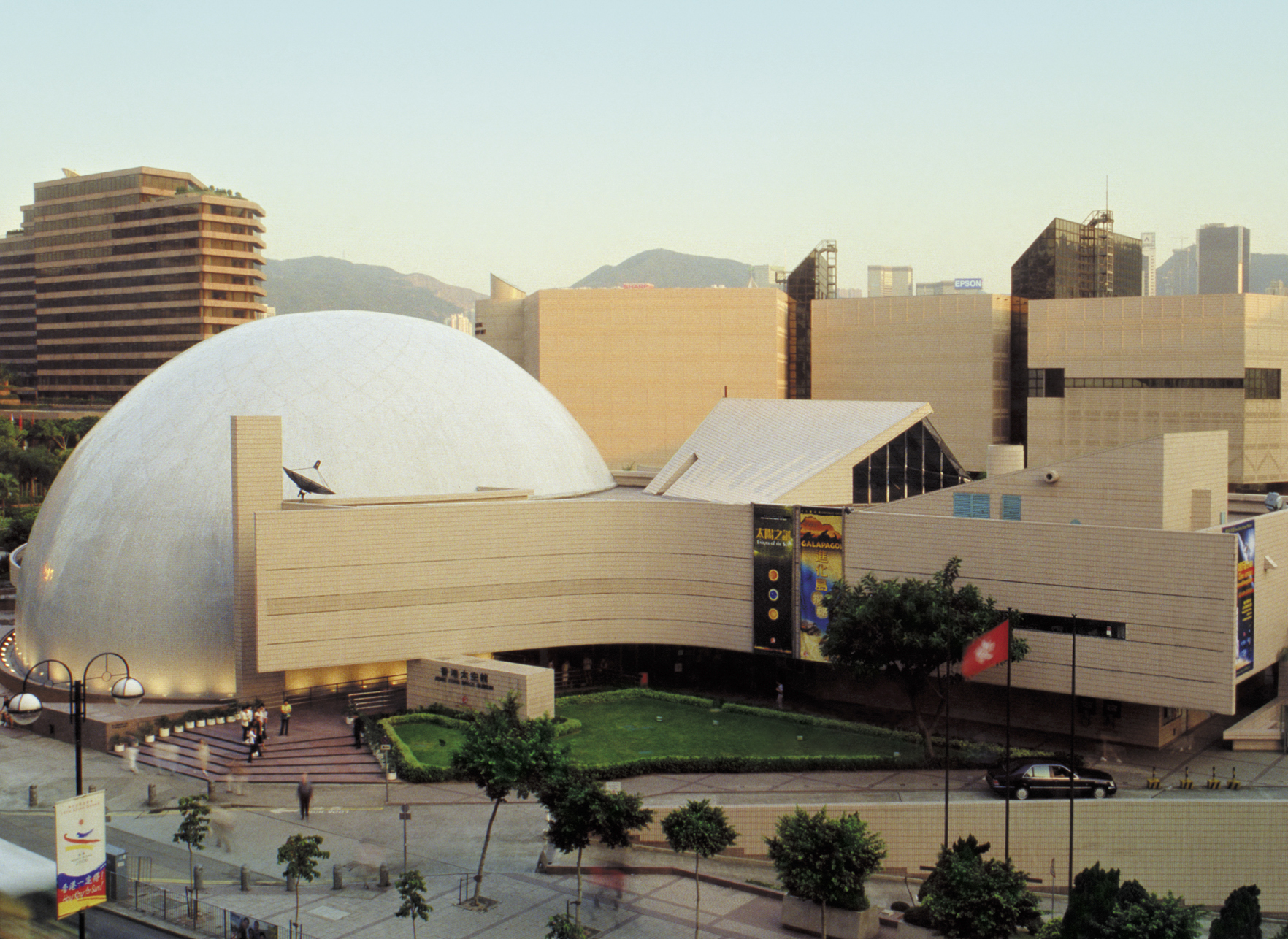
The exhibits have been updated over the decades with varying degrees of success, and some sections show their age in ways that are either charming or frustrating depending on your tolerance for institutional inertia. The Omnimax theatre, however, remains worth the ticket. The dome screen at full tilt, showing footage of deep space or the surface of Mars, is one of the more disorienting experiences available in Kowloon for under a hundred Hong Kong dollars.
Insider tip
Book Omnimax tickets online before you arrive — the afternoon shows on weekends sell out, and the queue for walk-up tickets moves with the urgency of geological time.
The Avenue of Stars in Tsim Sha Tsui East, Kowloon: a film industry's monument to itself, and a harbour view that earns its reputation
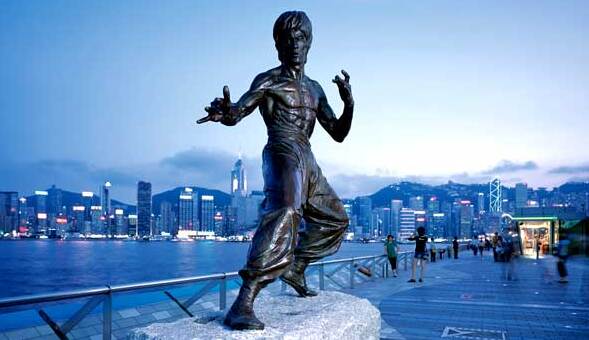
And yet the promenade itself, as a place to stand and look, is something else entirely. The view across Victoria Harbour to the towers of Central and Wan Chai is one of those urban panoramas that does not diminish with familiarity. The light changes hour by hour — flat and grey at noon, copper-tinted at dusk, the neon of the Symphony of Lights show after dark, which is either magnificent or excessive depending on your feelings about synchronised LED displays. Walk the full 440 metres. Stop at the eastern end, where the crowds thin out, and look back west toward Tsim Sha Tsui pier.
Insider tip
The promenade is at its most bearable in the early morning, before 8am, when the joggers outnumber the tourists and the harbour has a quality of quietness that the rest of the day will not offer.
Scopri la Magia dell'Avenue of Stars a Hong Kong: the same promenade, a different hour, a different city
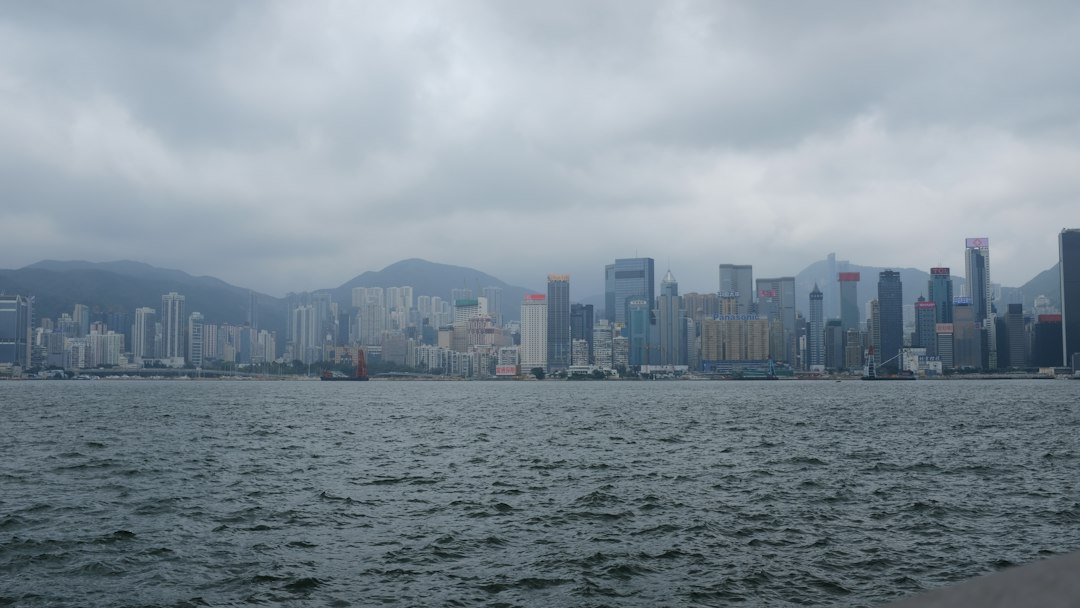
What the promenade offers, beyond the view, is a rare thing in Hong Kong: a linear public space with no commercial pressure attached to it. You are not expected to buy anything. You can stand at the railing for an hour and no one will ask you to move. In a district defined by the transaction — by the watch shops, the hotel lobbies, the restaurant queues — this is more valuable than it sounds.
Insider tip
The Symphony of Lights show runs nightly. It is best observed from the promenade rather than from a harbour cruise, where the boat's movement makes photography difficult and the commentary is relentless.
Esplorando il Mercato Notturno di Temple Street a Hong Kong: a flea market that has survived its own fame
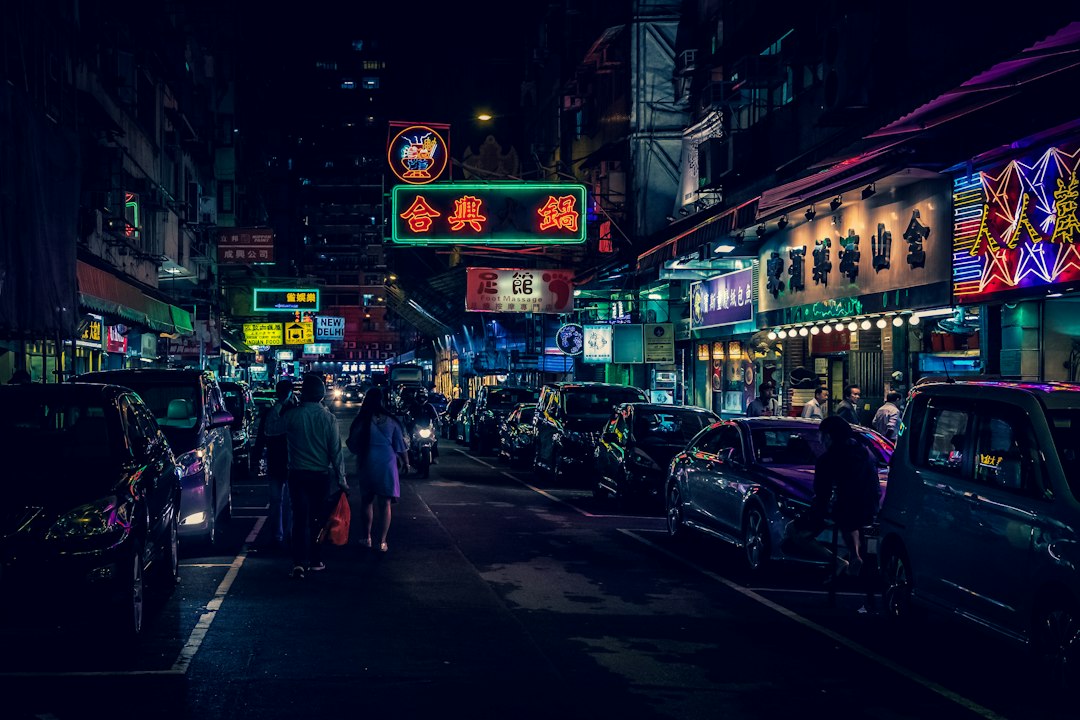
What remains genuinely interesting about Temple Street is its persistence — the way it has continued to function as a flea market and street food corridor through decades of urban development, rising rents, and the kind of civic tidying-up that has eliminated similar markets in other Asian cities. The dai pai dong stalls at the southern end serve food that is worth eating. The noise level after 9pm is considerable. Bring cash.
Insider tip
The fortune tellers near the temple are experienced at calibrating their readings to what they sense you want to hear. This is a skill. Approach accordingly.
Temple Street named after Tin Hau temple: the street before the market, and the temple at its centre
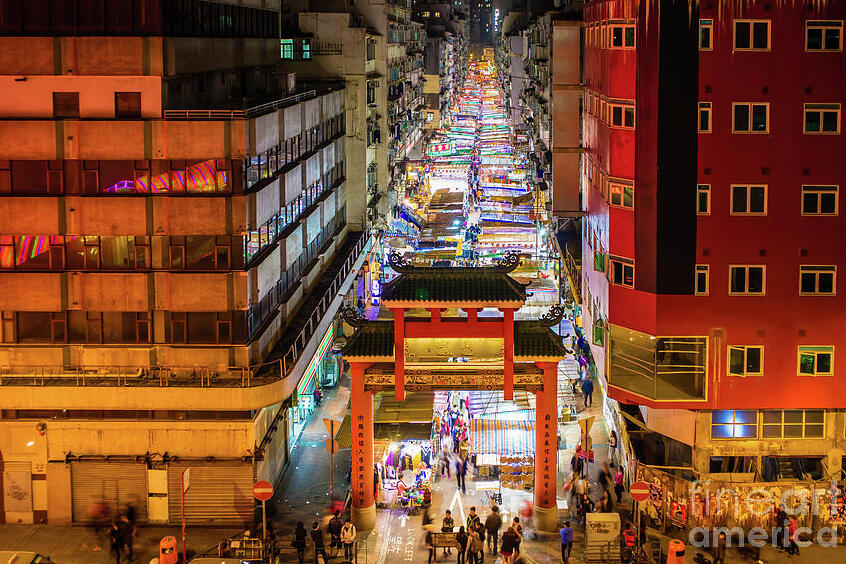
The area around the temple, particularly on the side streets, retains a texture that the main market strip has largely lost: old residential blocks, small hardware shops, the occasional mahjong parlour with its particular soundtrack of tiles. Walk a block east or west from Temple Street itself.
Insider tip
The temple is active — people come to pray, not to sightsee. Keep voices low, do not photograph worshippers without permission, and be aware that incense smoke in an enclosed space is dense enough to be disorienting.
Golden Bauhinia Square in Hong Kong: a plaza built to mark a handover, and what it means now

The square is used for the daily flag-raising ceremony and for various official commemorations. It is also a place where the political complexity of Hong Kong's recent history is legible in the architecture of public space — in the way the square is designed for ceremony rather than for the informal gathering that characterises Hong Kong's more organic public areas. Whether this reads as dignified or sterile depends on what you bring to it.
Insider tip
The flag-raising ceremony happens every morning. It is attended by a mix of mainland tourists, local patriots, and curious observers. Arrive early if you want a clear sightline.
Come pianificare un viaggio a Hong Kong con l'AI nel 2026: navigating a city of 7.5 million people, 260 islands, and 98 MTR stations
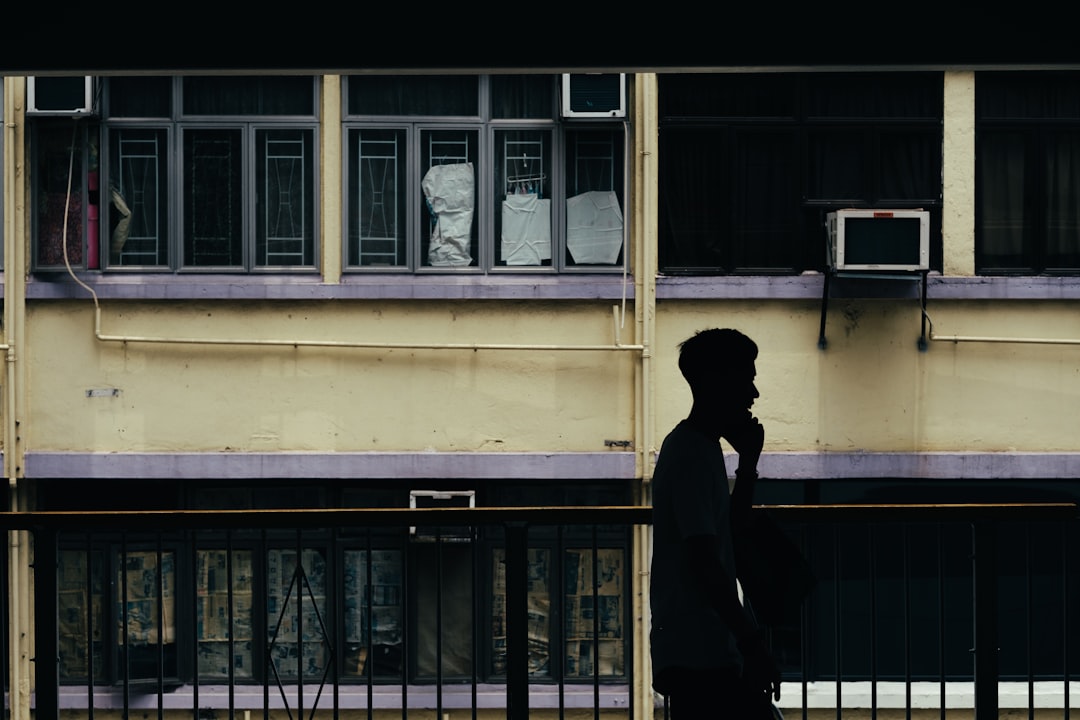
The practical question of how to navigate this — how to decide what to prioritise, how to move between areas efficiently, how to avoid the paralysis that the city's complexity can induce — is not a trivial one. The MTR is the backbone: fast, air-conditioned, reliable to a degree that makes the London Underground seem like a heritage experience. But the MTR misses things. The best journeys in Hong Kong are often made on foot, or by ferry, or by the trams on Hong Kong Island, which move at a pace that allows the city to be seen rather than merely traversed.
Insider tip
The Octopus card handles MTR fares, ferry crossings, and most convenience store purchases. Load it at any MTR station. It is the single most useful object you will carry in Hong Kong.
There is a particular quality to the light over Victoria Harbour at around 6pm in October, when the sun is low enough to catch the windows of the towers on both sides and the water goes a colour that is neither grey nor gold but something between the two. I have seen it many times now, from the TST promenade, from the upper deck of the Star Ferry, from a window table in a restaurant I am not going to name because it will be full enough without my help. Each time it is the same and each time it is different, which is not a mystical observation but a factual one about light and weather.
Tsim Sha Tsui will not become a quieter or less commercial place. The watch shops will continue to multiply. The tour buses will continue to idle. The Symphony of Lights will continue to run every night at 8pm with a punctuality that the rest of the city's life does not always match. None of this is a reason to avoid the district. It is, rather, a reason to pay a different kind of attention — to the building that predates the mall around it, to the ferry that predates the tunnel under the harbour, to the temple that predates the night market that grew up around it. Hong Kong rewards the person who is willing to look at what is actually there, rather than what the city's considerable promotional apparatus would prefer them to see.
Tsim Sha Tsui will not become a quieter or less commercial place. The watch shops will continue to multiply. The tour buses will continue to idle. The Symphony of Lights will continue to run every night at 8pm with a punctuality that the rest of the city's life does not always match. None of this is a reason to avoid the district. It is, rather, a reason to pay a different kind of attention — to the building that predates the mall around it, to the ferry that predates the tunnel under the harbour, to the temple that predates the night market that grew up around it. Hong Kong rewards the person who is willing to look at what is actually there, rather than what the city's considerable promotional apparatus would prefer them to see.


