
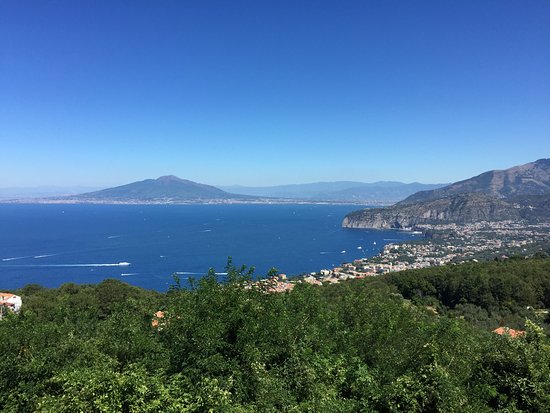

Perched high in the hills of Massa Lubrense, the Monastery of San Paolo is a treasure trove of history, art, and breathtaking views of the Gulf of Naples. The site beautifully encapsulates the serenity and spirituality of the region, making it a must-visit destination for those seeking both culture and natural beauty.
History and Origins The Monastery of San Paolo was established in 1679 by the Discalced Teresian Carmelite Fathers, a religious order that sought to return to a more austere and contemplative form of monastic life. Nestled in the Desert of Sant'Agata sui due Golfi, the monastery served as a spiritual haven, offering peace and solitude to its inhabitants and visitors alike. In 1867, the monastery underwent significant restoration led by Father Ludovico da Casoria, who later founded the order of the Bigi friars. However, in the 1970s, the monks were dissolved by a papal decree, and the property transitioned to the care of Benedictine cloistered nuns. Over the centuries, the monastery has captivated many renowned figures, including Johann Wolfgang von Goethe, Friedrich Nietzsche, and Richard Wagner, each of whom found inspiration in the stunning surroundings and tranquil atmosphere.
Art and Architecture The architectural style of the Monastery of San Paolo reflects the Baroque influences prevalent during its construction. The grand structure features intricate details, with a façade that harmonizes beautifully with the natural landscape. Inside, the monastery houses a small chapel adorned with stunning frescoes and religious iconography that narrate biblical stories and the lives of saints. The craftsmanship of the Carmelite Fathers is evident in the wooden altars and the serene atmosphere of the cloisters, inviting visitors to pause and reflect. Climbing the tower rewards guests with one of the most breathtaking views of the Gulf of Naples and Salerno, a sight that truly captures the essence of the region's beauty.
Local Culture and Traditions Massa Lubrense is steeped in local customs and traditions that celebrate its agricultural roots and spiritual heritage. The region is known for its olive oil production, and visitors often experience the famous Sagra della Nocciola, a festival celebrating hazelnuts and local cuisine. The monastery itself plays a role in local spiritual life, hosting various religious events and celebrations throughout the year. On certain feast days, the nuns open their doors to the public, allowing visitors to partake in the rich traditions of prayer and community gatherings, creating a unique sense of connection with the local culture.
Gastronomy When visiting the Monastery of San Paolo and the surrounding areas, indulging in local gastronomy is a must. The region is famous for its limoncello, a lemon liqueur made from the vibrant lemons that thrive in the Mediterranean climate. Visitors can also savor dishes featuring fresh seafood, homemade pasta, and locally produced olive oil. Traditional recipes often incorporate seasonal ingredients, resulting in a dining experience that reflects both the land and sea. Don’t miss the chance to try gnocchi alla Sorrentina, a local specialty that perfectly encapsulates the flavors of the region.
Lesser-Known Curiosities While many tourists flock to the more popular attractions of the Sorrento Peninsula, the Monastery of San Paolo remains a serene escape that often goes unnoticed. One intriguing detail is that the monastery’s gardens are home to a variety of medicinal herbs, historically used by the monks for their healing properties. Additionally, the site is a lesser-known stop on the Cammino di Sant’Agata, a pilgrimage route that offers stunning views and a deep connection to the spiritual heritage of the area. The tranquility of the monastery grounds provides an ideal setting for those seeking reflection or simply a moment of peace amidst nature.
Practical Visitor Information The best time to visit the Monastery of San Paolo is during the spring and fall months when the weather is mild, and the views are particularly stunning. It’s advisable to wear comfortable shoes, as the journey includes a walk up the hill to the monastery. Visitors should take time to explore the surrounding area, which is filled with hiking trails and scenic viewpoints. When exploring the monastery, be respectful of the nuns and their practices, as it is still an active religious site. Look out for guided tours or local events that may enhance your experience while discovering the rich history and culture of this hidden gem.
The Monastery of San Paolo in Massa Lubrense is a remarkable destination that combines spirituality, history, and breathtaking scenery, ensuring a memorable experience for every traveler. To make the most of your visit, consider using the Secret World app to create a personalized itinerary tailored to your interests.


