



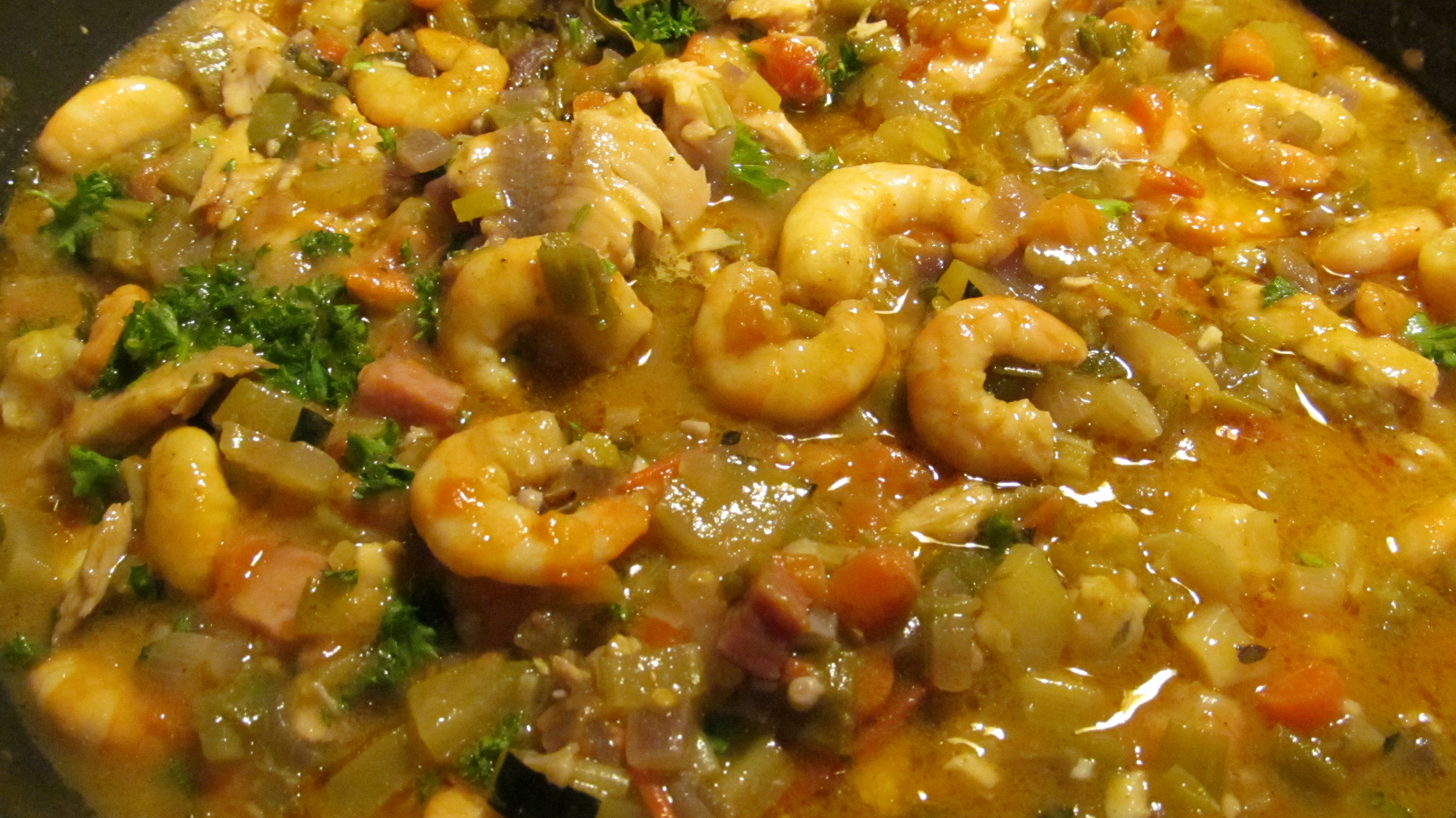
Nestled in the heart of Louisiana, gumbo is much more than a dish; it is a culinary symbol of the region's rich and diverse cultural tapestry. With its roots tracing back centuries, gumbo is a testament to the blending of culinary traditions from West African, French, Spanish, and Native American influences, making it a quintessential representation of Creole and Cajun cuisine.
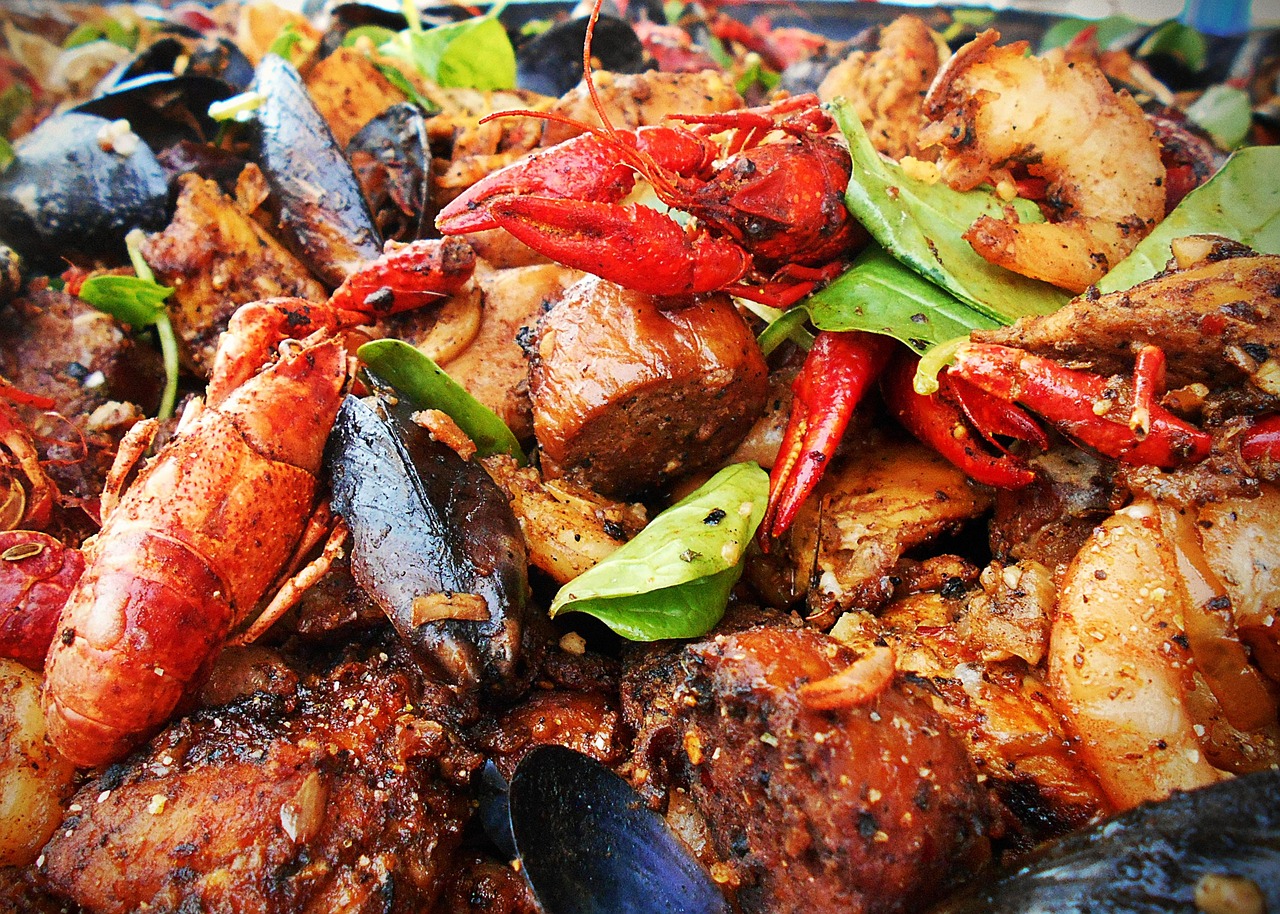
The history of gumbo is as varied as its ingredients. The term "gumbo" itself likely comes from the West African word for okra, “ki ngombo,” a common thickening agent in early versions of the dish. As early as the 18th century, gumbo was being prepared in Louisiana kitchens, with each wave of immigrants adding their unique twist. The French contributed the use of roux—a mixture of flour and fat used to thicken the soup—while Spanish settlers introduced the use of seafood. Native Americans provided sassafras leaves, known locally as filé powder, another traditional thickening agent. This melding of culinary techniques and flavors makes gumbo a living piece of history on every plate.
Beyond its culinary heritage, Louisiana is known for its unique architecture that reflects its vibrant history. In the historic French Quarter of New Orleans, the Creole townhouse is a prominent architectural style, marked by its colorful facades and intricate ironwork balconies. These structures, often built between the late 18th and early 19th centuries, provide a perfect backdrop for the region’s artistic endeavors. Locally, art often celebrates the cultural melting pot that is Louisiana, with vibrant street murals and galleries showcasing everything from traditional folk art to contemporary pieces that capture the essence of Southern life.
The cultural landscape of Louisiana is peppered with vibrant festivals that celebrate its diverse heritage. The Mardi Gras festival, known for its lively parades and elaborate costumes, is perhaps the most famous, drawing visitors from all over the world. However, for those interested in a more intimate experience of local customs, the Cajun and Creole Christmas traditions offer a glimpse into how locals celebrate the holiday season with food and music at the forefront. The Festival Acadiens et Créoles, held in Lafayette, is another cultural highlight, showcasing Cajun and Creole music, food, and crafts in a community-driven environment.
Gastronomically, Louisiana is a paradise for food lovers. While gumbo remains a must-try, other typical local dishes include jambalaya, a flavorful rice dish often cooked with meats and vegetables, and étouffée, a seafood stew typically served over rice. Refreshing beverages such as the Sazerac, a potent cocktail with roots in New Orleans, offer a taste of the local drinking culture. And no culinary journey in Louisiana would be complete without trying beignets, fluffy fried pastries dusted with powdered sugar, often enjoyed with a steaming cup of chicory coffee.
While many tourists flock to New Orleans, there are lesser-known but equally captivating facets of Louisiana's culture and history. For instance, the Jean Lafitte National Historical Park and Preserve offers insight into the natural and cultural history of the region, with a focus on the Acadian people who have shaped much of the state's cultural identity. Another hidden gem is the Whitney Plantation, which provides a sobering but necessary look at the history of slavery in the South from the perspective of the enslaved.
For those planning a trip, the best time to visit Louisiana is in the spring (March to May) or fall (September to November) when the weather is mild, and festivals are in full swing. During these times, the streets buzz with life, and the scents of Cajun and Creole cooking waft through the air. When visiting, be sure to explore beyond the typical tourist spots. Consider taking a cooking class to learn how to make gumbo yourself, or a swamp tour to see the natural beauty that has influenced so much of the local culture.
In essence, gumbo is more than a dish—it is a story, a tradition, and a celebration of the diverse roots that make up Louisiana. Each bowl tells a tale of history, culture, and the enduring spirit of a region that thrives on its rich and varied legacy. Whether you're a history buff, a foodie, or a culture enthusiast, Louisiana offers an experience as flavorful and complex as a bowl of its iconic gumbo.
