← Back

Hadrian's Reservoir: A Subterranean Cinematic Experience

Plateia Dexamenis, Athina 106 73, Greece ★★★★☆ 139 views
Felicia Martinez
Athina
🏆 AI Trip Planner 2026

Get the free app

Discover the best of Athina with Secret World — the AI trip planner with 1M+ destinations. Get personalized itineraries, hidden gems and local tips. Free on iOS & Android.

🧠 AI Itineraries 🎒 Trip Toolkit 🎮 KnowWhere Game 🎧 Audio Guides 📹 Videos
Scan to download iOS / Android
Scan for AppGallery Huawei users

About Hadrian's Reservoir: A Subterranean Cinematic Experience

Hadrian's Reservoir: A Subterranean Cinematic Experience - Athina | Secret World Trip Planner

Beneath the starry Athenian night sky, movie enthusiasts gather at a modern outdoor theater, blissfully unaware that they are perched atop a marvel of engineering from Roman Athens - a reservoir nearly 2,000 years old.
Hadrian's Reservoir: A Subterranean Cinematic Experience - Athina | Secret World Trip Planner

Emperor Hadrian recognized Athens' increasing water demands during the second century CE and ordered a grand project to bolster the city's water supply. In 125 CE, construction commenced on an aqueduct that stretched over 12 miles, commencing at Mount Parnitha and culminating at the base of Mount Lycabettus, where a monumental reservoir took shape.

This aqueduct was a remarkable feat of engineering, primarily an underground channel hand-carved through solid rock. By the year 140 CE, it had become Athens' most ambitious infrastructure project to date.

Hadrian's Reservoir stands proudly at the western foothills of Mount Lycabettus. The pipes originating here supplied water to the area's residents for over a millennium. The structure featured a propylon, adorned with four Ionic columns and an architrave carrying a dedication to Hadrian and his successor, Antoninus Pius, under whose reign the project was completed.

However, during the Ottoman Empire's occupation, the reservoir fell into disuse, with most residents relying on wells for their water needs. Although efforts to restore the aqueduct commenced in 1847, it eventually ceased to serve as a primary water source after the construction of the Marathon Dam in 1929.

Today, Hadrian's Reservoir no longer provides drinking water. A fraction of its waters still find their way to the end, only to flow directly into the sewer. What remains of the site are fragments of the steps and two column bases, along with a portion of the architrave, now housed in the National Gardens.

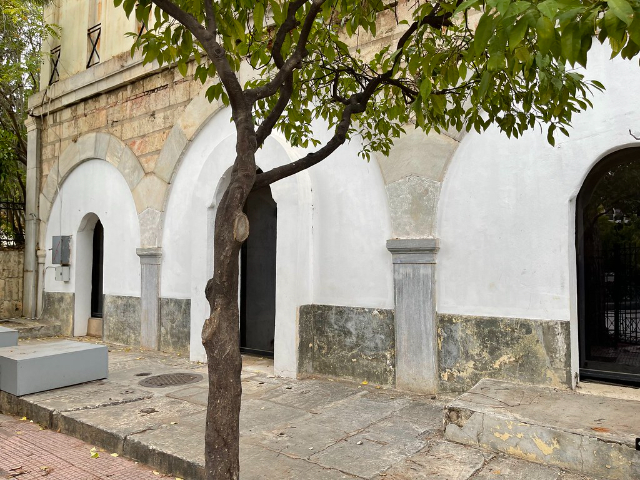
If you plan to visit, you'll find the reservoir located in Dexameni (Reservoir) Square, beneath Cinema Dexameni. While access inside the reservoir building is limited, ample viewing portals on the western walls offer an excellent glimpse of the interior.

On January 6, the Epiphany, the Greek Orthodox tradition of the "Blessing of the Waters" takes place annually in front of the reservoir. During this ritual, the reservoir is opened, and the water is blessed by a priest who immerses a cross in the water and then sprinkles followers with the now-sanctified water.

Should you wish to view the remaining section of the architrave, it can be found in the National Gardens, near the Children's Library.

🗺 AI Trip Planner

Plan your visit to Athina

Suggested itinerary near Hadrian's Reservoir: A Subterranean Cinematic Experience

MAJ+
500.000+ travelers worldwide
  1. 🌅
    Morning
    Hadrian's Reservoir: A Subterranean Cinematic Experience
    📍 Athina
  2. ☀️
    Afternoon
    Lycabettus Funicular
    📍 0.3 km · Athina
  3. 🌆
    Evening
    The Kotsanas Museum of Ancient Greek Technology
    📍 0.3 km · Athina

Buy Unique Travel Experiences

Powered by Viator

See more on Viator.com

Explore nearby · Athina

Frequently Asked Questions

Hadrian's Reservoir is located beneath Cinema Dexameni in Dexameni (Reservoir) Square at the western foothills of Mount Lycabettus. While direct access inside the reservoir building is limited, you can view the ancient structure through viewing portals on the western walls, making it easily accessible to visitors exploring the area.
Construction of Hadrian's Reservoir began in 125 CE under Emperor Hadrian to address Athens' increasing water demands during the second century. The project included a remarkable 12-mile underground aqueduct hand-carved through solid rock from Mount Parnitha to Mount Lycabettus, and was completed by 140 CE under the reign of Hadrian's successor, Antoninus Pius.
Today, visitors can observe fragments of the ancient steps, two column bases, and a portion of the architrave that once decorated the propylon with four Ionic columns. Some of these architectural elements are now housed in the National Gardens, while the viewing portals on the western walls provide excellent glimpses into this nearly 2,000-year-old Roman engineering marvel.
Although the aqueduct served Athens' residents for over a millennium, the reservoir fell into disuse during the Ottoman Empire's occupation when most people relied on wells instead. It ceased to function as a primary water source after the construction of the Marathon Dam in 1929, and today its remaining waters simply flow into the sewer.
Hadrian's Reservoir offers a unique cinematic experience where modern movie enthusiasts gather at an outdoor theater unaware they're sitting atop a 2,000-year-old Roman engineering feat. This unexpected juxtaposition of ancient history and contemporary entertainment makes it a distinctive Athens destination for history lovers and curious travelers alike.
