



Standing majestically on the coast of Sanya, in Hainan Province, the Guan Yin Statue is an awe-inspiring symbol of compassion and spirituality. Towering at 108 meters, it is the fourth tallest statue in the world, representing the Buddhist Goddess of compassion. The statue is a modern marvel that took six years to complete, from 1999 to 2005, and has become a significant landmark and pilgrimage site for Buddhists and travelers alike.
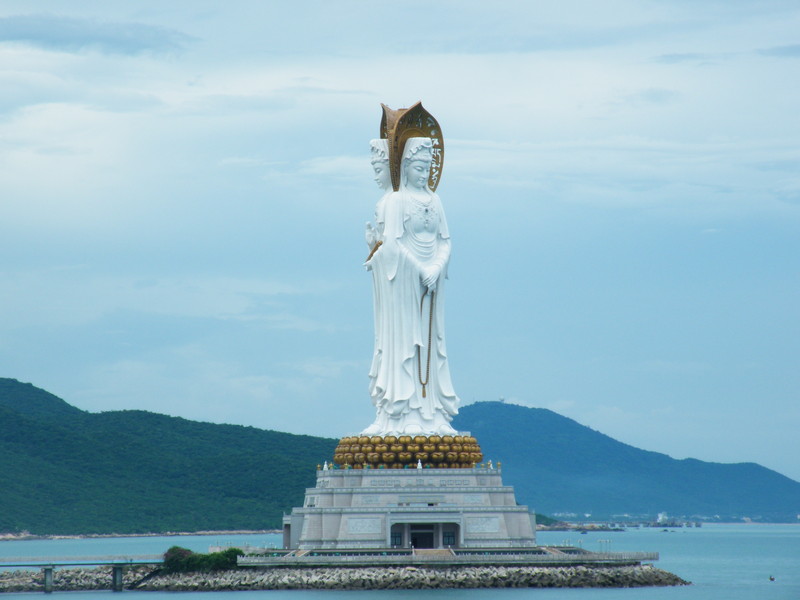
The statue's unique design features three faces, symbolizing the blessings poured upon the world. The first face gazes inward towards the land, while the other two look out over the sea—an embodiment of compassion reaching both the people of Hainan and the vast ocean beyond. Each face carries a serene expression, inviting peace and reflection among visitors. The statue is complemented by a 12,000-square-meter park that includes gardens, a temple, and various sculptures that further celebrate Buddhist culture.
The artistic significance of the Guan Yin Statue lies not only in its size but also in its intricate details. Crafted from white marble, the statue features delicate carvings that reflect traditional Chinese artistry. The flowing robes and the intricate lotus flowers that surround the statue are emblematic of the Buddhist reverence for nature and the divine. Visitors can also explore the surrounding area, where they will find various representations of Buddhist teachings and artworks that inspire serenity and mindfulness.
Sanya is not just a hub for spiritual exploration; it is also rich in local culture and traditions. The island is known for its diverse ethnic communities, particularly the Li and Miao peoples, who celebrate their heritage through vibrant festivals. The Li Sword Dance, performed during the Li and Miao New Year Festival in late December, showcases the island's indigenous culture. This festival is filled with music, dance, and traditional crafts, offering a glimpse into the lives of Hainan's early inhabitants.
When visiting Sanya, one cannot overlook its gastronomic delights. The local cuisine is a melting pot of flavors, heavily influenced by the island's tropical climate and coastal geography. Signature dishes include Hainanese Chicken Rice, which is beloved for its simple yet rich flavors, and Wenchang Chicken, known for its tender meat and fragrant aroma. Seafood dishes are abundant, with fresh catches daily from the South China Sea. Don’t miss out on coconut water, which is often served straight from the fruit, providing a refreshing escape from the heat.
In addition to its well-known attractions, Sanya holds lesser-known curiosities that add depth to your visit. The Guan Yin Statue is not just a beautiful sight; it also houses a Buddhist temple with over 20,000 statues of Buddha, making it a significant site for prayer and meditation. The area is also rumored to be a hotspot for local legends, with tales of fishermen who claim to have seen the Goddess herself blessing the waters.
The best time to visit Sanya is during the winter months, from November to March, when the weather is mild and pleasant. Be sure to bring comfortable walking shoes, as the site encompasses expansive grounds ideal for exploration. Early mornings or late afternoons are the perfect times to visit to avoid crowds and capture stunning photographs of the statue illuminated by the soft glow of sunrise or sunset.
Before you go, check out local etiquette—dress modestly when visiting religious sites and always show respect towards the local customs. Look out for the lotus flower, which is a symbol of purity and is often found in gardens surrounding the statue, reminding visitors of the beauty in nature and spirituality.
The Guan Yin Statue in Sanya is more than just a monument; it is a symbol of peace, compassion, and cultural richness that beckons travelers from around the globe. To make the most of your journey and explore the hidden gems of Sanya, consider using the Secret World app for a personalized itinerary that will enhance your experience.
