



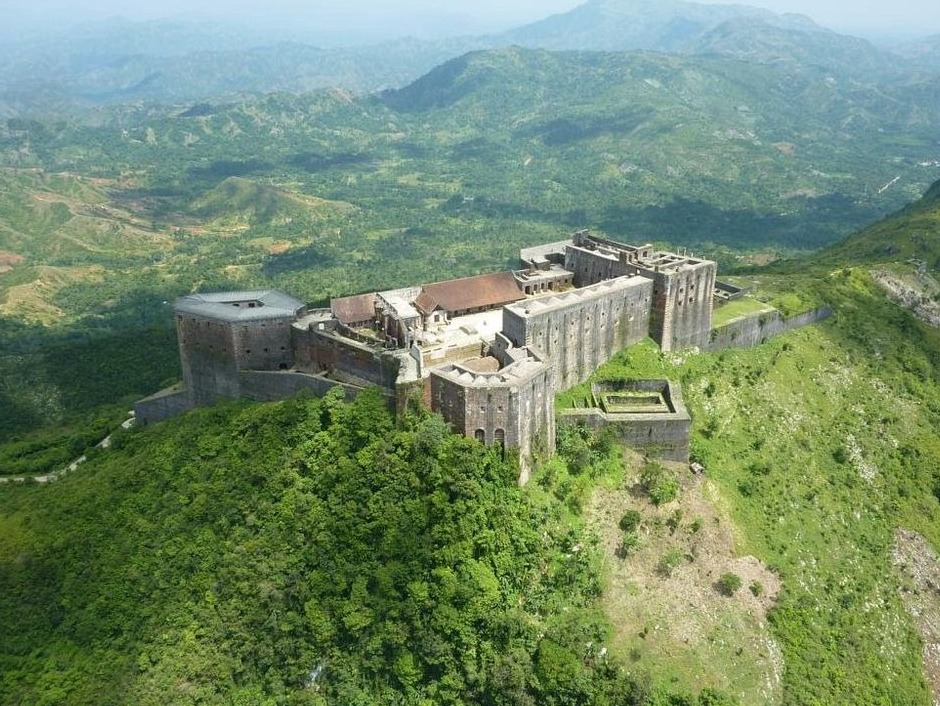
Commanding a position atop the mountains of Northern Haiti, the Citadelle Laferrière stands as a monumental testament to the nation’s struggle for independence and resilience. Built in the early 19th century, this extraordinary fortress offers breathtaking views of the surrounding lush terrain and the distant Atlantic Ocean. Nestled atop Bonnet à L’Évêque, the Citadelle is not just a historical site; it is a symbol of Haitian strength and freedom, depicted on local currency, stamps, and postcards.
### History and Origins The Citadelle Laferrière was conceived in the aftermath of Haiti's successful slave revolution against French colonial rule, which culminated in 1804. Henri Christophe, a former enslaved person who became one of the revolution’s leaders, commissioned the fortress after declaring himself King of Haiti in 1811. The fortress was strategically built to defend the nation from potential foreign invasions, particularly from France, which had not fully accepted Haiti’s independence.
Construction began in 1805 and took nearly 20 years to complete, employing thousands of workers, many of whom were former soldiers and members of the revolution. The Citadelle’s sheer size and robust design reflect the ambitions of a newly liberated people and their desire to assert their sovereignty.
### Art and Architecture The architectural style of the Citadelle Laferrière is a blend of military utility and artistic expression. Constructed primarily from local limestone, the fortress boasts thick walls, towering ramparts, and numerous cannons positioned to guard against invaders. Its design resembles that of European fortresses, yet it incorporates unique Haitian elements that signify national pride.
Inside, visitors can discover a range of artifacts, including historical cannons and remnants of the royal residence, all of which tell stories of the past. The interior murals and engravings depict the glory of Haitian independence, serving as a canvas for the artistic spirit of the era.
### Local Culture and Traditions The Citadelle Laferrière is not only a historical landmark but also a cultural hub for the local community. In nearby towns, the traditions of Haitian culture are alive and vibrant. Festivals like Carnival and Haitian Independence Day (January 1) celebrate the nation’s heritage, often featuring traditional music such as Kompa and Rara, as well as colorful parades and dances.
Local artisans showcase their crafts, from hand-carved sculptures to intricate beadwork, highlighting the creativity and resilience of the Haitian people. The Citadelle itself becomes a backdrop for cultural events, enriching the connection between history and contemporary Haitian identity.
### Gastronomy A visit to the Citadelle Laferrière wouldn’t be complete without indulging in the local cuisine. Haitian food is a delightful fusion of flavors, influenced by African, French, and Caribbean traditions. Griot, marinated pork fried to perfection, and pikliz, a spicy pickled vegetable relish, are staples that often accompany traditional rice dishes.
Don’t miss trying djon djon rice, a unique dish made with black mushrooms that impart a distinct flavor, or tassot, seasoned fried beef. For drinks, Haitian rum is a must-try, often enjoyed straight or mixed into cocktails that echo the island’s vibrant spirit.
### Lesser-Known Curiosities While many visitors flock to the Citadelle for its grandeur, some fascinating stories often go unnoticed. For instance, the fortress features a series of secret tunnels that were designed for escape and surprise attacks, a testament to the ingenuity of its builders.
Additionally, the Citadelle is surrounded by an impressive network of fortifications and watchtowers, many of which remain lesser-known but are crucial to understanding the full scale of the complex. The unique flora and fauna around the site also contribute to its mystique, as the mountainous terrain is home to various endemic species.
### Practical Visitor Information The best time to visit the Citadelle Laferrière is during the dry season, which spans from November to April. This period offers pleasant weather, ideal for hiking to the fortress and exploring the surrounding landscapes. It’s advisable to wear sturdy shoes and bring water, as the trek can be challenging yet rewarding.
Guided tours are available and highly recommended, as local guides can provide rich context and bring the history of the Citadelle to life. Make sure to look for the various artifacts and take in the remarkable views from the ramparts, where the horizon stretches into the Atlantic.
In summary, the Citadelle Laferrière is not only a fortress but a symbol of Haitian resilience and creativity, steeped in rich history and vibrant culture. As you plan your visit, consider using the Secret World app to create a personalized itinerary that will enhance your experience exploring this remarkable destination.
