
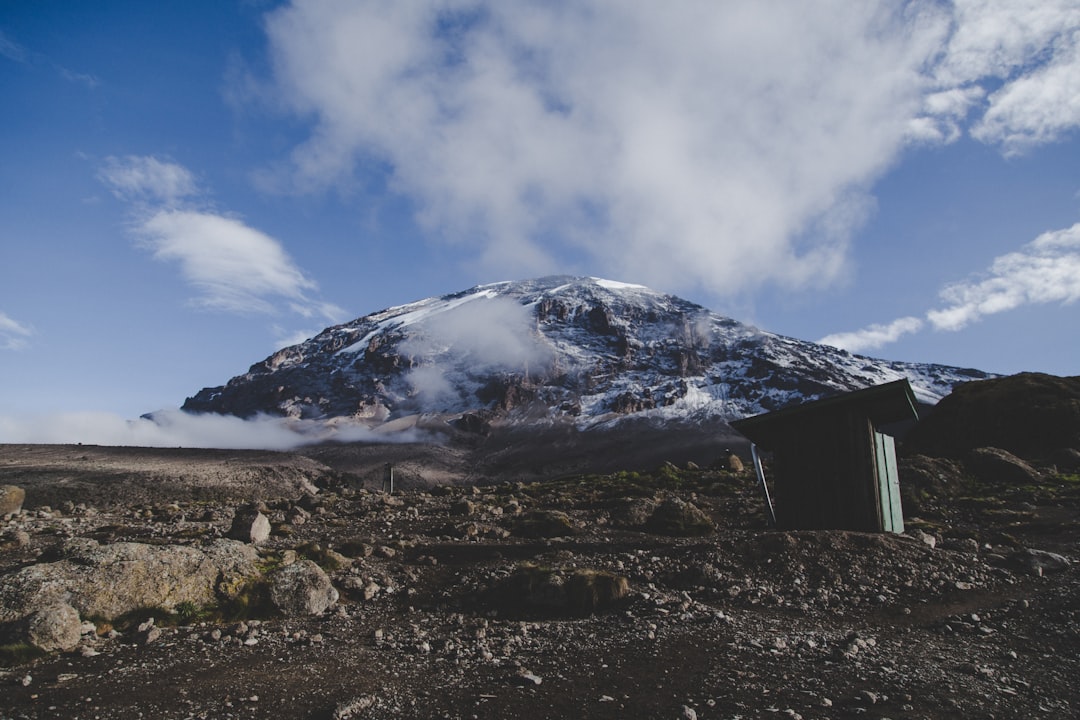

The thermometer reads a few degrees above zero, the wind blows sharply, and around you stretches a landscape that seems to belong to another planet. You are on the edge of the Haleakalā crater, at 3,055 meters above sea level on the island of Maui, Hawaii, and you are waiting for the sun to rise from the horizon of the Pacific. It is not a sunset that can be seen from here early in the morning — it is something more precise and rarer: the moment when the light of day pierces a layer of low clouds and illuminates from above a sea of white cotton that covers the entire island below.

The name Haleakalā means in Hawaiian “house of the sun”, and the oral tradition of the native Hawaiians tells that the demigod Maui himself climbed this volcano to capture the sun's rays with a rope, forcing the sun to slow down its course. It is not just a decorative legend: this crater was a place of sacred ceremonies for the native Hawaiians, who would ascend to observe the stars, navigate the Pacific, and perform religious rites. That sacredness is still felt today in the almost total silence that envelops the summit, interrupted only by the wind.
A sleeping volcano that redefines the scale
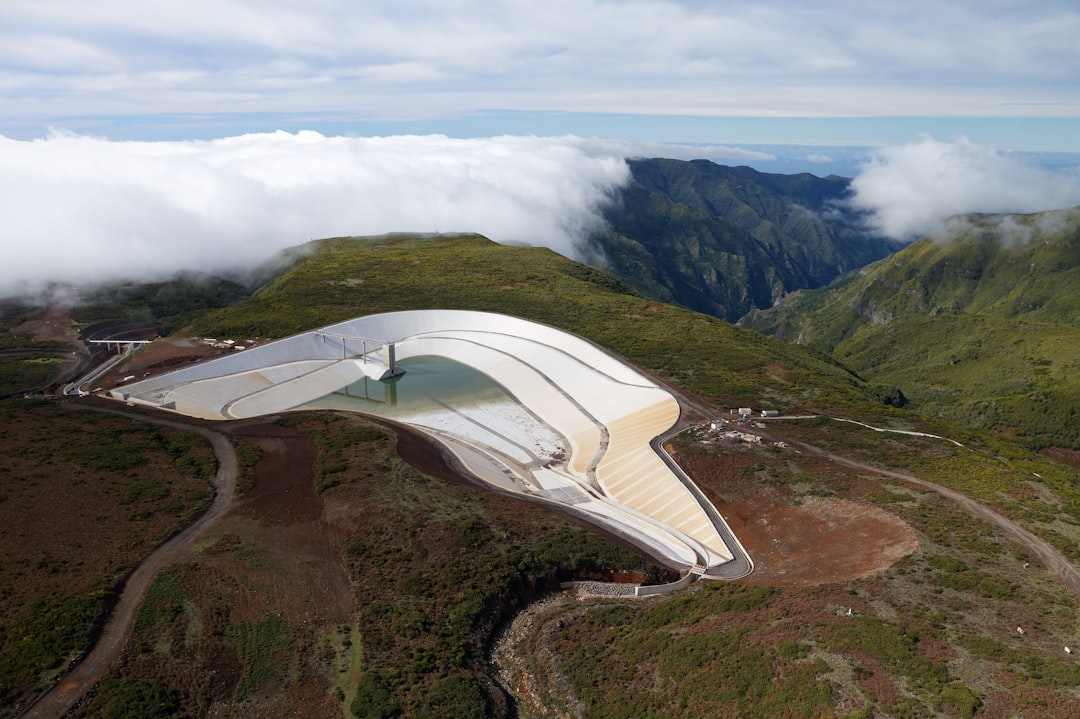
Haleakalā is a shield volcano, a type of volcano that grows slowly through fluid lava flows rather than violent explosions. Its last eruption was about 400-600 years ago, which classifies it as dormant but not extinct. The summit crater — technically an erosional depression rather than a classic volcanic crater — measures about 11 kilometers long and 3 kilometers wide, with a depth exceeding 800 meters in some places. Standing on the edge, the volcanic cones emerging from the bottom appear small like hills, even though they actually exceed 180 meters in height.
The interior landscape is dominated by shades of red, orange, gray, and black: obsidian, basalt, compacted ash. Vegetation is almost absent in the summit area, but descending along the trails, one encounters specimens of silversword (Argyroxiphium sandwicense), a plant endemic to Hawaii that grows only at high altitudes, blooms once in its lifetime, and then dies. Seeing it is one of the most memorable details of a visit to the park.

The dawn and the sunset: the light that changes everything
The experience for which Haleakalā is known internationally is the sunrise viewed from the summit. The phenomenon occurs when orographic clouds form at intermediate altitudes, leaving the summit clear: the sun rises above the horizon of the Pacific and its light first hits the summit of the volcano and then spills over the sea of clouds below, creating an extraordinary visual effect of golden light on a white carpet. Sunsets offer the same color inversion but with warmer palettes, from pink to deep purple.
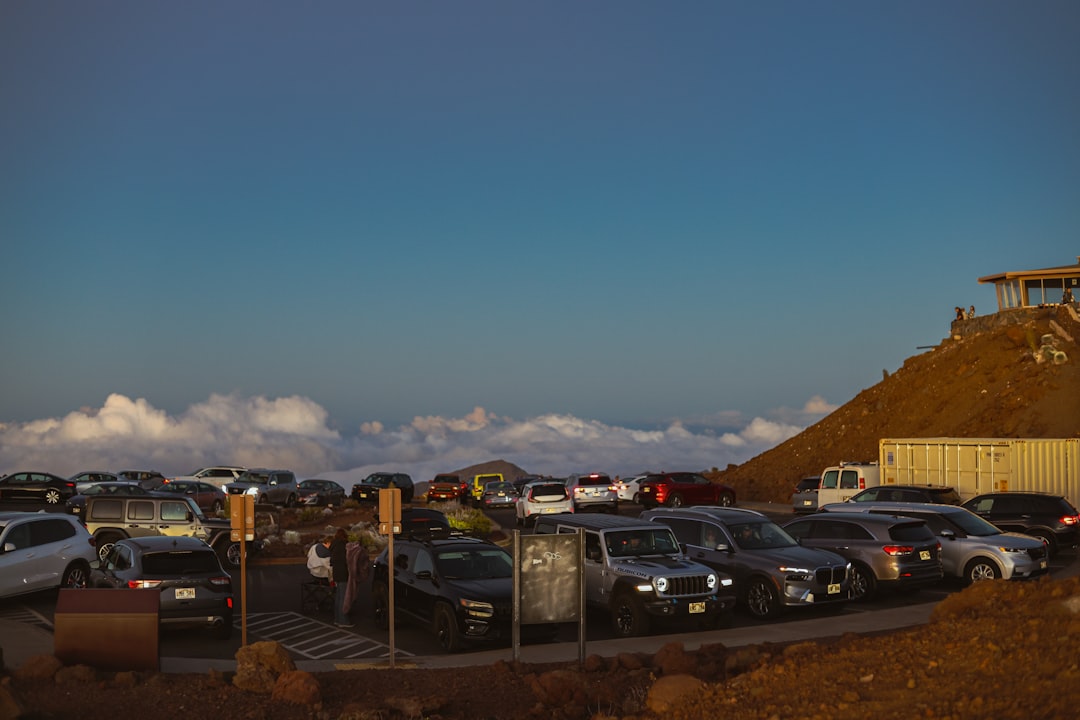
It is worth noting that the National Park Service of the United States requires a mandatory advance reservation to access the summit during the hours of dawn, typically from 3:00 to 7:00 in the morning. The reservation system is managed through the official site recreation.gov, and available spots fill up weeks in advance during the tourist season. The entrance fee to the park is 30 dollars per vehicle (standard National Park Service fee, valid for seven days).
How to get there and what to bring

The road that leads to the summit is the Haleakalā Highway, which starts from the city of Kahului in the northern part of Maui. The drive from the coast takes about one and a half hours and passes through landscapes that change radically with altitude: from sugar cane plantations to grasslands, up to the arid alpine zone of the summit. The road is paved and accessible by any vehicle, but night driving requires caution due to the tight curves and the possibility of fog.
The temperature at the summit is on average 15-20 degrees lower than at the coast, and the wind can make the thermal perception even more intense. Bringing thermal layers, a waterproof jacket, and closed shoes is essential, even in the height of Hawaiian summer. Those who suffer from altitude sickness should be cautious: the elevation of 3,055 meters is enough to cause mild symptoms in sensitive individuals, especially if ascending quickly from the coast without acclimatization.
The park beyond the summit
The Haleakalā National Park is not limited to the summit area. The coastal district of Kīpahulu, accessible via the Hana Highway, includes the famous Ohe'o pools and a rainforest accessible via trails. The two districts are not directly connected within the park, but both are included in the same entrance ticket. For those with more days available, exploring both areas offers a comprehensive view of the extraordinary ecological variety that a single Hawaiian volcano can contain.


