

As dawn breaks over the bustling port city of Hamburg, a unique blend of history, culture, and commerce comes alive at the Hamburg Fish Market. Nestled by the Elbe River, this market is not just a place to buy fresh seafood but a testament to the city’s enduring maritime legacy and vibrant local life.
The origins of the Hamburg Fish Market can be traced back to 1703, when it was first established to cater to the needs of the city's burgeoning population. Situated in the district of Altona, which was then under Danish rule, the market served as a vital trading post. Over the centuries, despite wars and economic upheavals, it has remained a cornerstone of Hamburg’s economy and a symbol of resilience. The market was temporarily closed during World War II but re-emerged stronger, much like the city itself. Today, it stands as one of Hamburg's most beloved attractions, drawing locals and tourists alike.
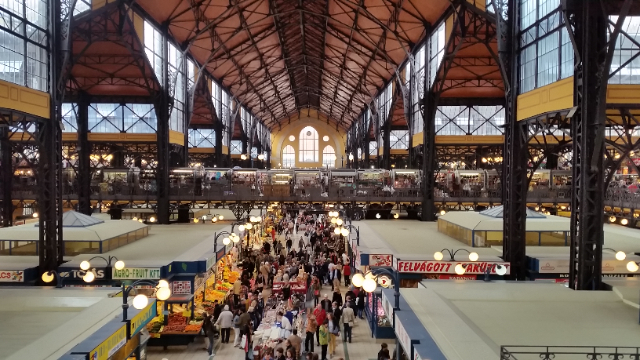
Architecturally, the market is anchored by the stunning Fischauktionshalle, a majestic iron-and-glass structure built in 1896. This hall, designed by architect Johann Theede, is a masterpiece of late 19th-century industrial design. Its vast, open interior, with elegant iron arches and expansive windows, provides a dramatic backdrop for the lively auctions and events that take place within. The hall is not just a market venue but also a cultural landmark, hosting concerts and exhibitions that celebrate Hamburg’s artistic heritage.
Visiting the Hamburg Fish Market is a sensory feast, deeply intertwined with local culture and traditions. Every Sunday morning, starting as early as 5:30 a.m., the market buzzes with energy. Vendors, known as Marktschreier or market criers, shout out deals with theatrical flair, selling everything from fresh fish to exotic fruits and flowers. The market is a microcosm of Hamburg’s diverse populace, reflecting a rich tapestry of customs and traditions. It’s not uncommon to hear live bands playing everything from traditional German tunes to contemporary hits, creating an atmosphere that feels more like a festival than a market.
A visit to the market is incomplete without indulging in its gastronomic delights. The air is filled with the tempting aroma of Fischbrötchen, a local specialty consisting of freshly baked rolls stuffed with a variety of fish, from herring to mackerel. Another must-try is Aal, or smoked eel, a delicacy that highlights the traditional fishing practices of the region. Pair these with a local brew or a glass of Alsterwasser, a refreshing mix of beer and lemonade, for a true taste of Hamburg.
Beyond its vibrant stalls and culinary offerings, the Hamburg Fish Market holds secrets and stories that often go unnoticed by casual visitors. For instance, during the market’s off hours, the area is transformed into a tranquil riverside promenade, offering stunning views of the Elbe and the city’s iconic harbor. Another hidden gem is the Market Hall’s clock tower, a lesser-known vantage point that provides panoramic views of the bustling activity below and the sweeping cityscape beyond.
For those planning a visit, the best time to experience the market in all its glory is during the warmer months, from May to September. Arriving early is essential, not only to escape the larger crowds but to witness the market at its most authentic. Wear comfortable shoes, as the cobblestone paths can be uneven, and be prepared for a bit of jostling amidst the enthusiastic throngs. As you explore, keep an eye out for the quirky souvenirs and crafts that reflect the city’s maritime spirit, and don’t hesitate to engage with the friendly locals who are always eager to share a story or a tip.
In essence, the Hamburg Fish Market is more than just a place to buy fish; it is a living museum of the city’s history and culture, a place where the past and present converge. Whether you’re a history buff, a foodie, or simply a curious traveler, this market offers a slice of Hamburg life that is both authentic and unforgettable.


