


Hambye Abbey, located in the commune of Hambye in Normandy, France, is a historical site with a rich and complex history. The abbey was originally founded in the 12th century by William Painel, a Norman lord, and his wife Adelina. It was constructed in the Romanesque architectural style, characterized by its rounded arches and thick walls.
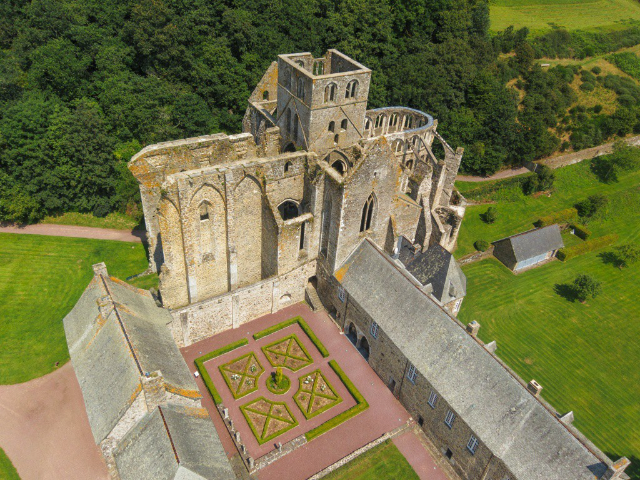
Hambye Abbey was initially home to a community of Benedictine monks. Over the centuries, it thrived as a religious and cultural center, amassing wealth and acquiring extensive land holdings. However, like many other religious institutions, the abbey fell victim to the upheavals of the French Revolution in the late 18th century.
During the Revolution, the French government enacted policies aimed at dismantling the power and influence of the Catholic Church. As a result, many abbeys and monasteries were seized and their assets confiscated. Hambye Abbey was no exception. In 1791, the abbey was dissolved and its lands and buildings were sold off as national property.
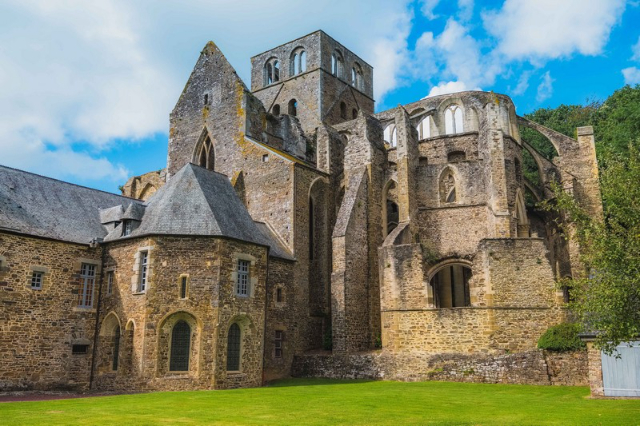
Unfortunately, the abbey suffered significant damage and neglect in the following years. The buildings were partially destroyed, and their stones were repurposed for construction in the surrounding area. The abbey fell into a state of ruin and was largely forgotten.
It was not until the 20th century that efforts were made to restore and preserve Hambye Abbey. In 1958, the French government classified the site as a historical monument, providing legal protection and recognition of its significance. Restoration work began in the 1970s, and today, visitors can explore the partially restored abbey complex.
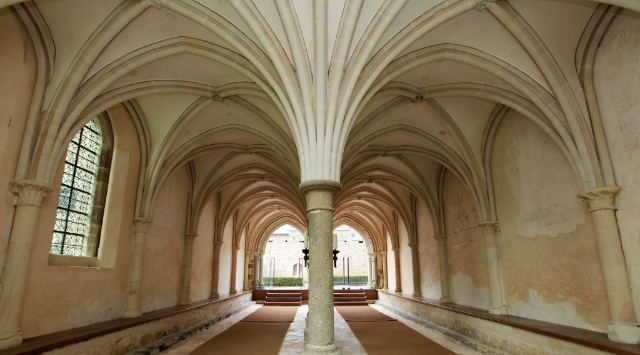
The ruins of Hambye Abbey showcase the grandeur and architectural prowess of the original structure, despite the damage inflicted over the centuries. The site attracts tourists interested in medieval history and architecture, offering a glimpse into the past and the turbulent times that shaped France's religious landscape.


