
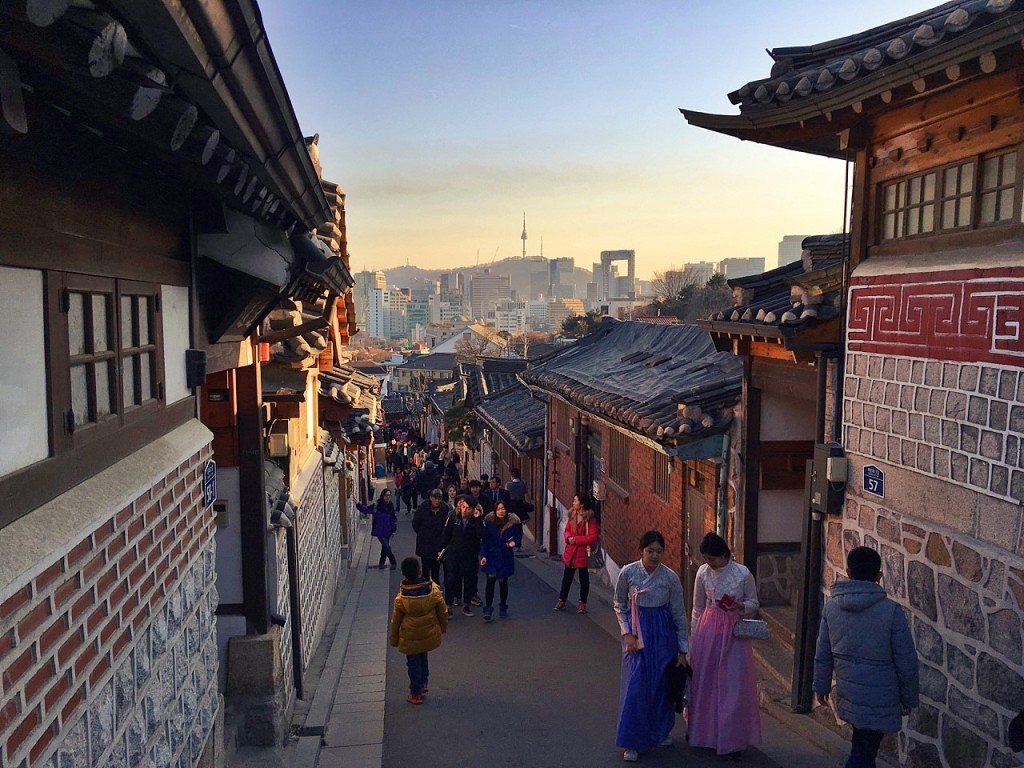

Nestled in the heart of Seoul, Bukchon Hanok Village offers a mesmerizing glimpse into Korea’s past, where over 400 traditional houses stand testament to the country's rich heritage. This enchanting village, strategically situated between the grand palaces of Gyeongbokgung and Changdeokgung, embodies a seamless blend of history, art, and culture, inviting visitors to step back in time and experience the charm of the Joseon Dynasty.
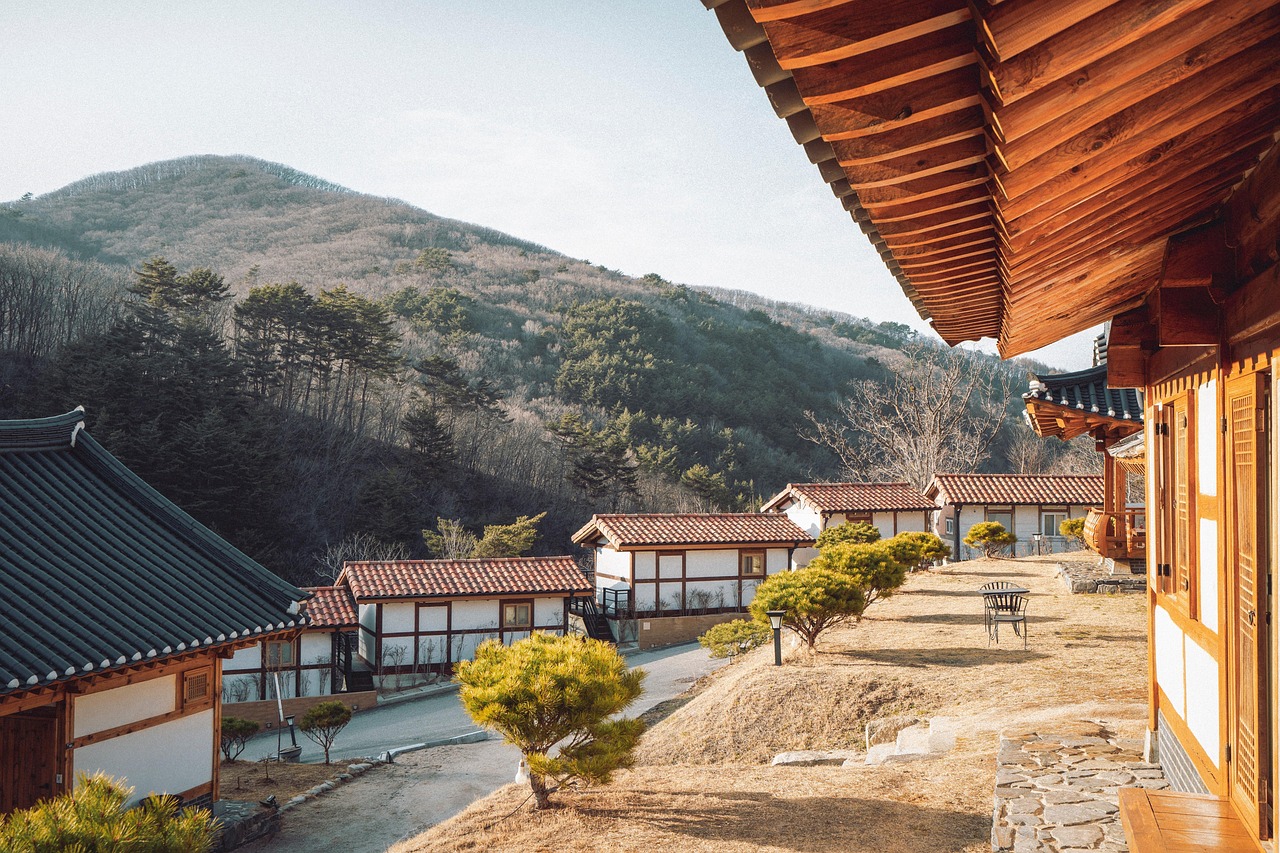
The origins of Bukchon Hanok Village date back over 600 years to the early days of the Joseon Dynasty (1392–1897). Initially, it was a residential quarter for the nobility and high-ranking officials, known as yangban. Its strategic location near the palaces made it an ideal area for the elite, who sought proximity to the royal court. Over the centuries, the village has witnessed numerous transformations, surviving the tumultuous periods of Japanese occupation and the Korean War, emerging as a living museum of traditional Korean life.
The architecture of Bukchon is a stunning display of hanok, traditional Korean houses characterized by their unique design elements. Hanoks are constructed with natural materials such as wood, clay, and stone, featuring curved tiled roofs and elegant wooden frames. The architecture emphasizes harmony with nature, a principle deeply rooted in Korean culture. Notably, these houses are designed with "ondol," an underfloor heating system that showcases the ingenuity of ancient Korean engineering. Walking through Bukchon, the intricate patterns of the roof tiles and the delicate wooden latticework offer a feast for the eyes, reflecting the artistic finesse of Korean craftsmanship.
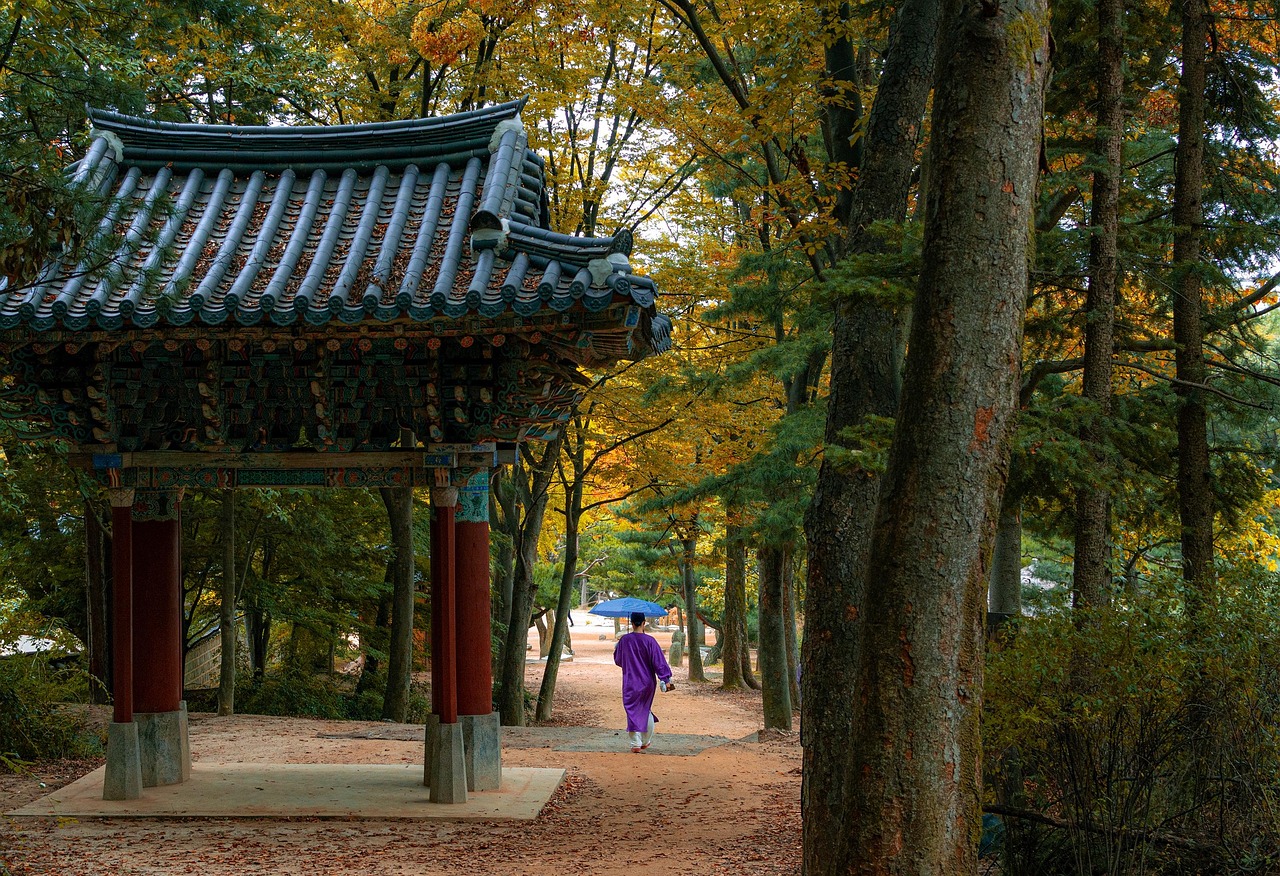
Cultural traditions in Bukchon are as vibrant as its architecture. The village hosts a variety of traditional festivals and cultural events throughout the year, such as the Bukchon Cultural Festival, which celebrates Korean arts, crafts, and performances. Visitors can witness traditional music and dance performances, participate in hanbok (traditional Korean clothing) experiences, and even try their hand at traditional crafts like calligraphy and kite-making. These events not only offer entertainment but also provide deep insights into Korean customs and values, fostering a greater appreciation for the country’s cultural heritage.
When it comes to gastronomy, Bukchon is a treasure trove of culinary delights. The village is dotted with cozy teahouses where visitors can savor traditional Korean teas, such as omija cha (five-flavor berry tea) and yujacha (citron tea), often accompanied by sweet rice cakes or tteok. For a more substantial meal, the area offers authentic Korean dishes like bibimbap (mixed rice with vegetables) and jeon (savory pancakes), providing a delicious window into the flavors of Korea. Many of the local cafes and restaurants pride themselves on using traditional recipes passed down through generations, offering a taste of history with every bite.
Beyond its more obvious attractions, Bukchon Hanok Village is home to several lesser-known curiosities. Among them is the Gahoe Museum, a hidden gem that houses an impressive collection of folk paintings and artifacts. The museum offers a deeper understanding of Korean shamanistic practices and folklore, often overlooked by mainstream tours. Another intriguing aspect is the presence of ancient stone markers scattered throughout the village, which once served as boundary markers for the original hanok properties, silently narrating the village’s historical evolution.
For those planning a visit, the best time to explore Bukchon is during the spring (April to June) or autumn (September to November) when the weather is mild and the landscape is painted in vibrant colors. To fully appreciate the village, it’s advisable to embark on a self-guided walking tour, which allows for leisurely exploration of its narrow alleys and hidden courtyards. Early mornings or late afternoons are ideal for avoiding the crowds and capturing the serene beauty of Bukchon in photographs. Don’t forget to engage with the local artisans and shop owners; their stories and insights can enrich your experience and reveal the soul of Bukchon.
Bukchon Hanok Village is not just a destination; it's a living canvas of Korean history and culture, where every corner tells a story and every house whispers secrets of the past. Whether you are an architecture enthusiast, a history buff, or a curious traveler, Bukchon offers an unforgettable journey through time, weaving together the fabric of Korea's illustrious heritage with the vibrant threads of its present.


