



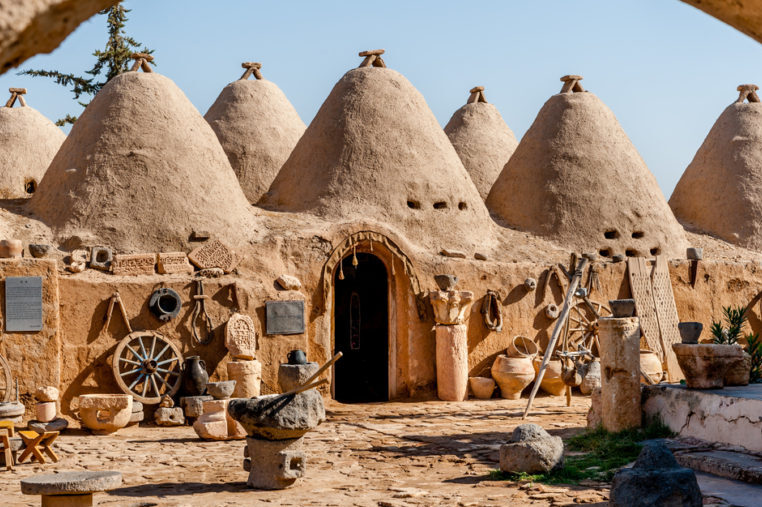
Harran, an ancient city steeped in history and culture, lies in southeastern Turkey, revealing stories of its past and vibrant traditions.
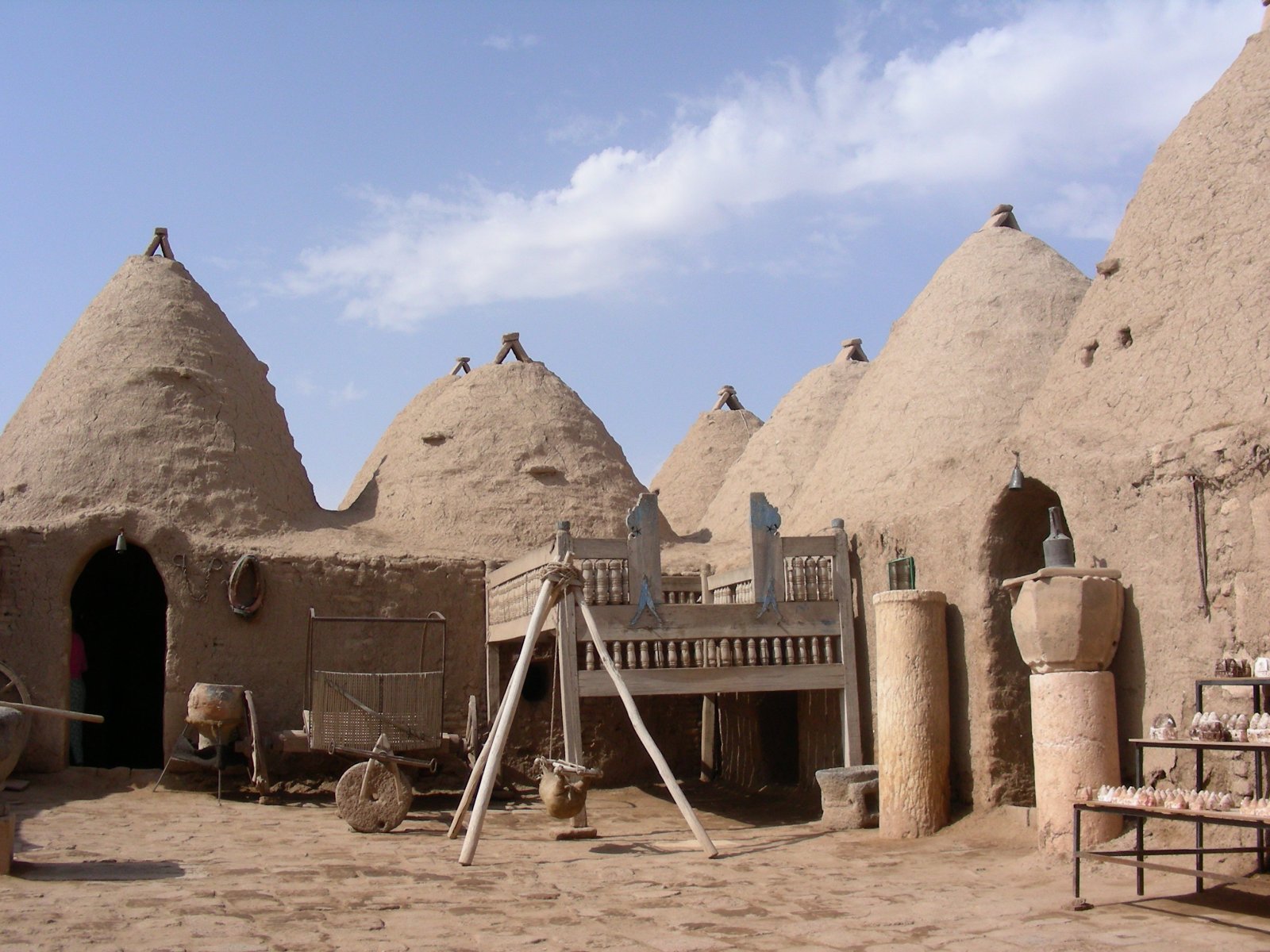
Nestled in the heart of southeastern Turkey, Harran is a village that whispers tales of its illustrious past. Once a thriving city, known in ancient times as Carrhae, it served as a crucial stop along trade routes that linked the empires of the ancient world. With its strategic position near the Balikh River, just 24 miles (38 km) southeast of Urfa, Harran was indispensable to Assyrian kings and other powerful civilizations.
History and Origins The roots of Harran stretch deep into antiquity. It is believed to have been founded around 3000 BCE, and is often associated with the biblical patriarch Abraham, whose family settled in Harran after leaving Ur of the Chaldeans (Genesis 11:31-32). Harran’s significance continued to grow, particularly during the Assyrian period when it became a center for the worship of the moon god, Sin. The city was frequently mentioned in ancient texts, highlighting its importance in trade and religion.
In 53 BCE, Harran gained notoriety as the site of a significant military defeat when Marcus Licinius Crassus, the Roman governor, faced defeat at the hands of the Parthians, marking the beginning of a series of confrontations between the Roman and Parthian empires. Later, during the Roman and Byzantine periods, Harran witnessed further military engagements, including battles involving Emperor Galerius and the Persian king Narses (296-297 CE).
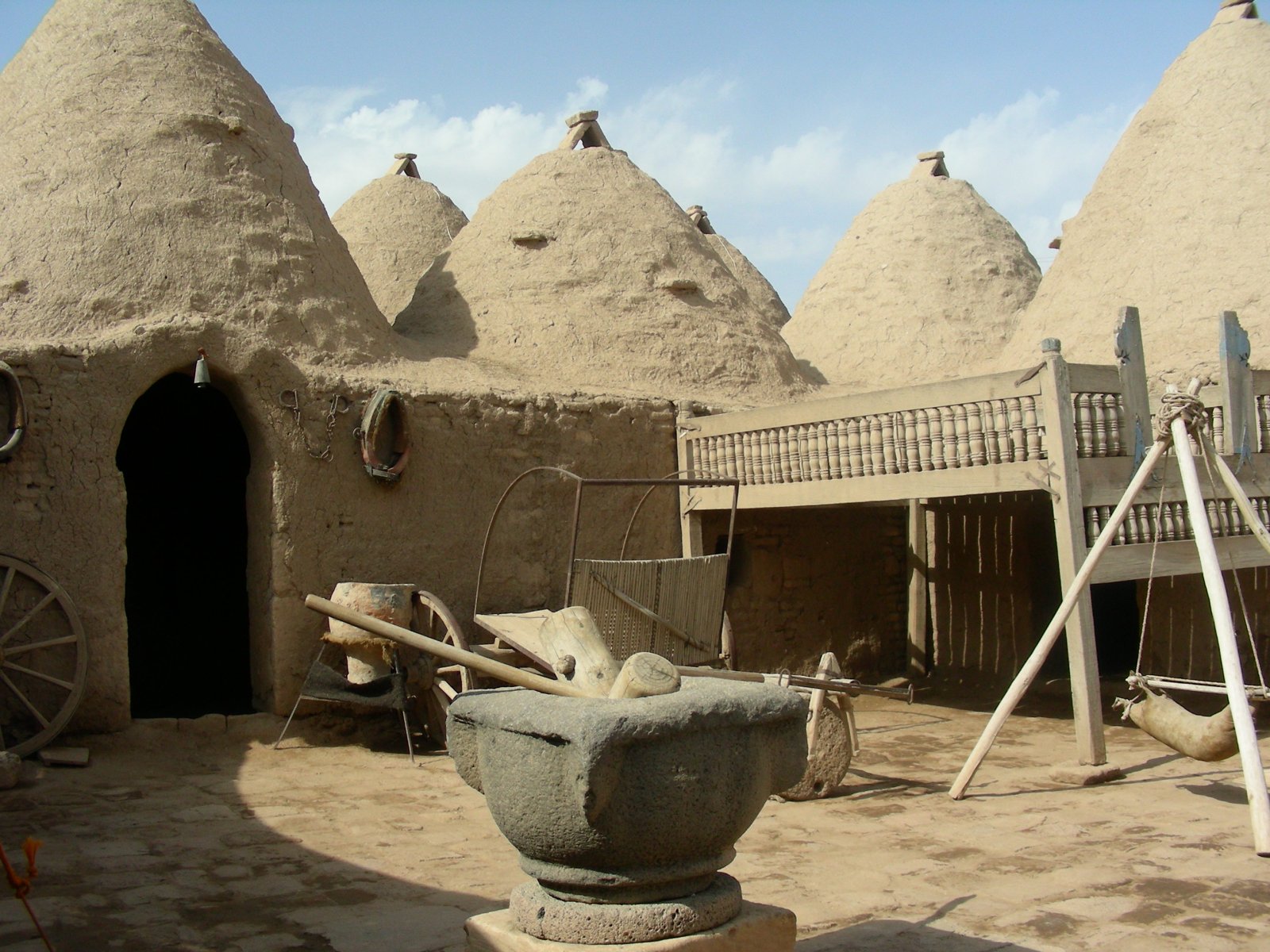
Art and Architecture Harran’s architectural landscape is a fascinating blend of ancient and Islamic influences. The most striking feature of the village is its iconic beehive-shaped houses, constructed from mud bricks and designed to withstand the region's harsh climate. These structures reflect the ingenuity of ancient builders who adapted their designs to meet the demands of their environment, providing both shelter and an aesthetic appeal.
Visitors can also explore the remnants of ancient temples, particularly those dedicated to the moon god Sin, which underscore Harran's religious significance. Although many historical structures have been lost to time, the ruins that remain speak volumes about the city's storied past.
Local Culture and Traditions The culture of Harran is steeped in traditions that echo its rich history. The village is known for its warm hospitality and the preservation of local customs. One of the most vibrant times to visit is during the Harran Cultural Festival, held annually to celebrate the region's heritage through music, dance, and traditional crafts.
The community hosts various events throughout the year, where visitors can partake in local customs, including wedding rituals that often feature traditional music and dance. The unique blend of Kurdish and Arab influences contributes to a rich tapestry of cultural expressions, making Harran a melting pot of traditions.
Gastronomy No visit to Harran would be complete without indulging in its culinary delights. The region is famous for dishes like kebab, dolma (stuffed vegetables), and bulgur pilaf, which reflect the agricultural bounty of the surrounding landscape. Local bread, known as lavash, is a staple, often enjoyed with meals.
Visitors should not miss trying Harran's yogurt, which is renowned for its rich flavor and is often served alongside dishes as a refreshing accompaniment. The local markets are vibrant and offer a variety of spices, fresh produce, and traditional sweets that showcase the area’s culinary heritage.
Lesser-Known Curiosities One of the most intriguing aspects of Harran is its connection to the ancient practice of astronomy. The city was a center for scholars who studied the stars, and remnants of ancient observatories can still be found nearby. Additionally, Harran has been referenced in various historical texts, including those by Pliny the Elder, who noted its significance in the context of trade and military strategy.
Another fascinating detail often overlooked by tourists is the village's unique dialect, which incorporates elements from both Arabic and Kurdish, showcasing the diverse influences that have shaped the region over centuries.
Practical Visitor Information The best time to visit Harran is during the spring and autumn months (April to June and September to November), when the weather is mild and conducive to exploration. Travelers should wear comfortable shoes and be prepared for walking around the village to fully appreciate its historical sites.
When visiting, make sure to explore the Harran Castle ruins, the ancient mosque, and the local markets that offer a glimpse into daily life. Engaging with local residents can provide invaluable insights into the culture and history of this remarkable place.
As you plan your journey, consider using the Secret World app to create a personalized AI itinerary that will help you make the most of your visit to Harran.
