



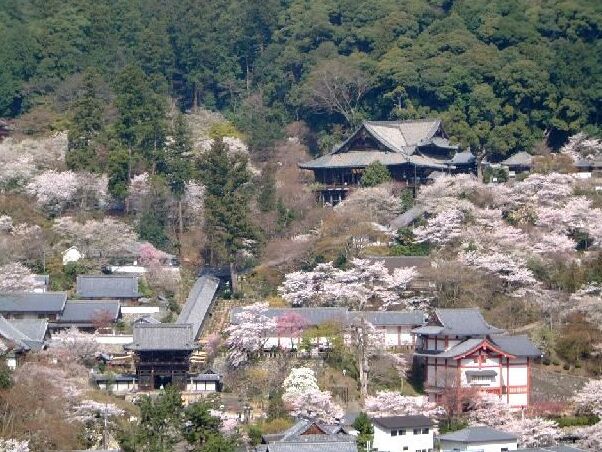
Nestled in the serene mountains of Nagano-shi, Hasedera Temple offers a spiritual retreat that transcends the ordinary. Founded in 686 AD, this ancient temple is a significant site within the Bunzan school of Shingon Buddhism, a tradition that emphasizes meditation and the realization of enlightenment. Hasedera's tranquil settings and rich history draw visitors from both near and far, eager to explore its spiritual ambiance and breathtaking natural beauty.
The origins of Hasedera Temple are steeped in legend. It is said that a monk named Kōbō Daishi (also known as Kukai) founded the temple after a pilgrimage to Mount Kōya. Enchanted by the pristine landscape, he envisioned a temple that would serve as a sanctuary for those seeking solace and enlightenment. Over the centuries, Hasedera has witnessed various historical events, including the Muromachi period, when it flourished as a center of Buddhist learning and practice, and the Edo period, which saw its expansion with the addition of numerous structures.
Architecturally, Hasedera Temple exemplifies the Shingon style, characterized by its harmonious integration with the surrounding landscape. The main hall, or Hondō, perches at the highest point of the temple complex, showcasing a stunning view of the valley below. The approach to the temple is marked by the Niomon Gate, where the fierce guardian deities, Fudō Myōō and Kongōyasha, stand sentinel. As visitors ascend the nearly 400 steps of the covered corridor, they are greeted by various smaller halls and shrines, each adorned with intricate carvings and delicate woodwork that tell stories of Buddhist teachings.
One of the temple’s most remarkable features is the Kannon statue, a striking wooden image of the Bodhisattva of Compassion that stands 11 feet tall. This statue is not only an object of veneration but also an artistic masterpiece, showcasing the craftsmanship of the Heian period. The temple grounds are also home to numerous Jizō statues, each representing the spirits of children and travelers, which are lovingly adorned by pilgrims and locals alike.
Hasedera Temple is deeply intertwined with local culture and traditions. The surrounding area has been a pilgrimage site for centuries, and this spiritual heritage is reflected in the vibrant festivals held throughout the year. One of the most notable events is the Cherry Blossom Festival in spring, when visitors flock to witness the stunning display of sakura blooms that blanket the temple grounds. The autumn months bring the Koyo Festival, which celebrates the vibrant fall foliage, creating a kaleidoscope of colors that enhance the temple's picturesque landscape.
Culinary traditions in Nagano are equally rich, with local specialties that reflect the region’s agricultural bounty. As visitors approach Hasedera, they will encounter quaint restaurants offering soba noodles, a beloved dish made from buckwheat flour that is particularly popular in Nagano. Pairing the noodles with a hot broth or enjoying them cold with dipping sauce is a must-try experience. Locally brewed sake is also a highlight, with many breweries in the area crafting unique flavors that complement the region's seasonal dishes.
For those seeking hidden gems, Hasedera Temple offers more than just stunning views and spiritual solace. One lesser-known curiosity is the Kannon-do Hall, which houses a small cave where pilgrims used to meditate. This secluded spot, often overlooked by tourists, provides an intimate glimpse into the temple’s tranquil atmosphere. Additionally, the temple’s gardens are home to several ancient trees believed to be over 1,000 years old, adding a sense of timelessness to the spiritual experience.
The best time to visit Hasedera Temple is undoubtedly during the cherry blossom season in late March to early April and the vibrant autumn months from mid-November to early December. However, the temple's beauty is year-round, with each season offering its own unique charm. Visitors should allow ample time to wander through the multiple buildings and soak in the serene atmosphere. Bring comfortable shoes for the ascent, and don’t forget your camera to capture the breathtaking views and intricate details of the temple's architecture.
As you explore the wonders of Hasedera Temple, consider using the Secret World app to craft a personalized itinerary for your visit to Nagano-shi.
