
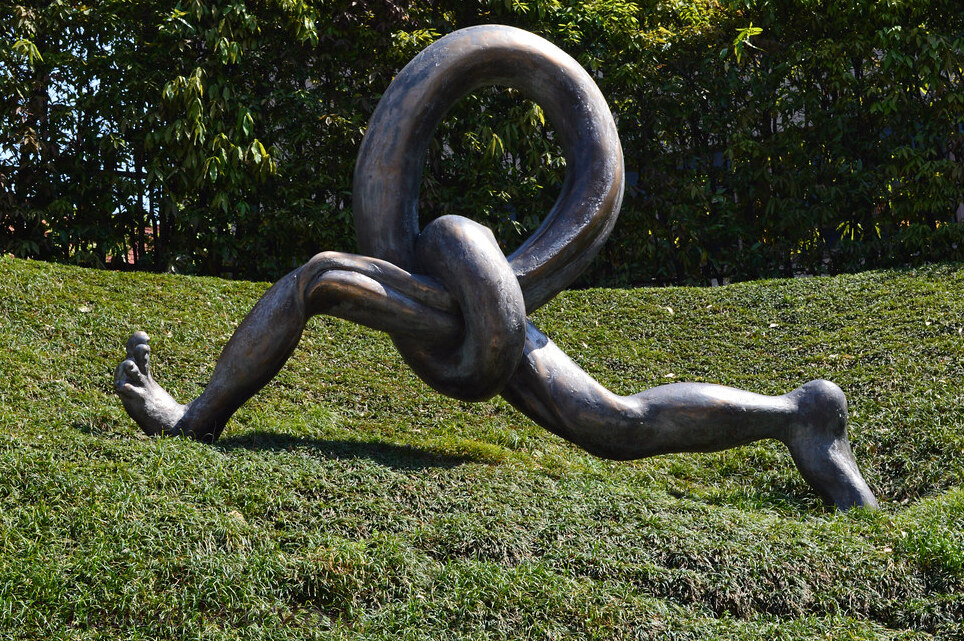

In the bustling industrial area of Kōrinbō, Kanazawa, an unexpected masterpiece captures the imagination of its visitors. "Hashire!" ("Run!") by the renowned artist Junji Kōri is more than just a sculpture; it's a testament to the dynamic interplay of motion and metal. Set against the backdrop of Kanazawa's evolving urban tapestry, this piece embodies the city's seamless blend of tradition and modernity.
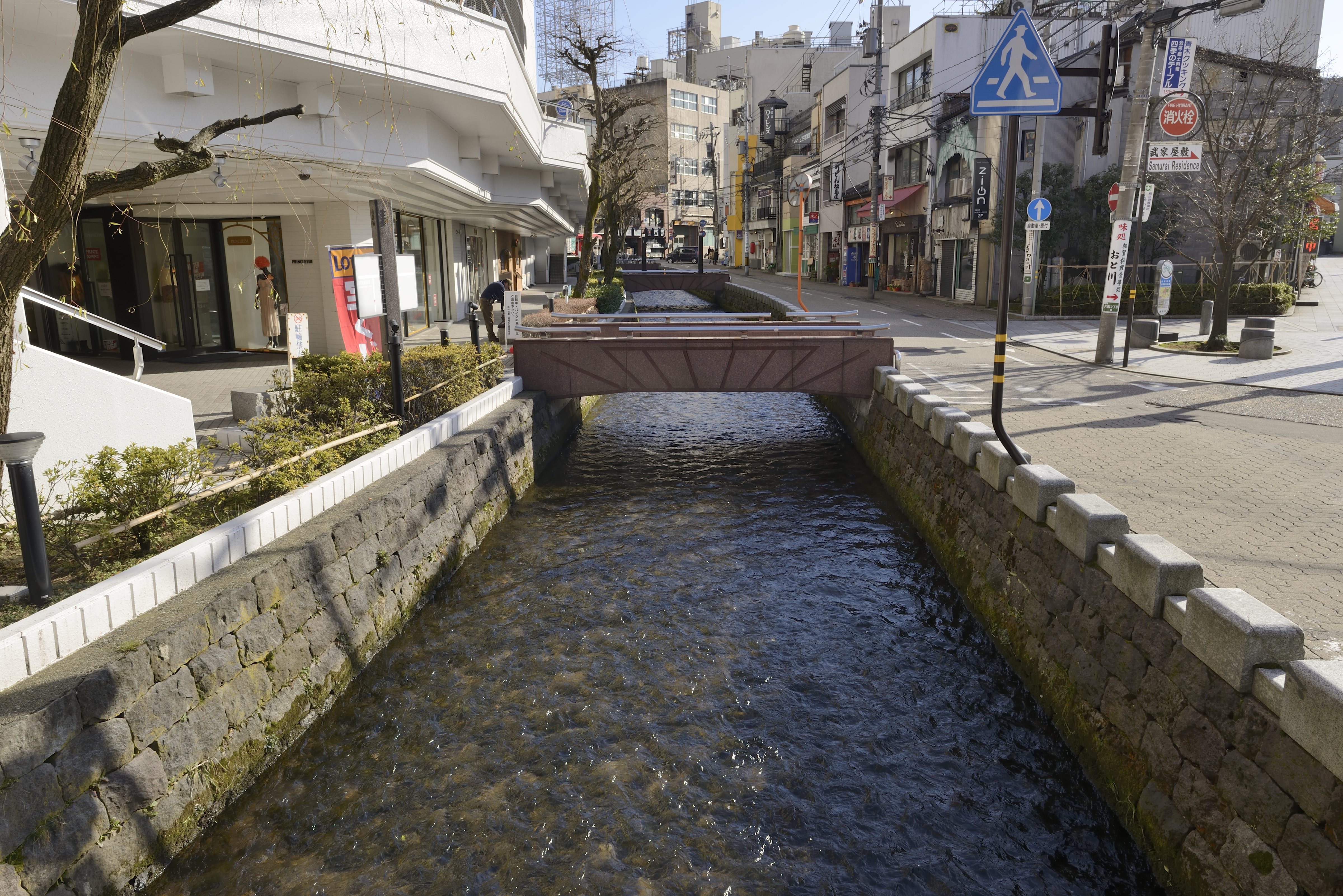
Kanazawa, known for its rich history and cultural heritage, has roots that trace back to the Muromachi period (1336-1573). The city developed significantly under the rule of the Maeda clan, which prioritized arts and culture, making Kanazawa a rival to Kyoto in terms of cultural significance. The city was largely spared during World War II, preserving its historical architecture and artistic treasures, which now provide a striking contrast to modern installations like "Hashire!".
Junji Kōri's work is a vivid example of contemporary Japanese art that challenges perceptions and invites engagement. The sculpture, with its sleek lines and poised stance, seems to be caught in a moment of kinetic energy, ready to sprint into the future. It reflects the broader themes of movement and progress that resonate deeply within Kanazawa's artistic community. Nearby, traditional structures such as the Kanazawa Castle and the Kenroku-en Garden provide a historical counterpoint to Kōri's modern vision.
Kanazawa's cultural landscape is as diverse as its history. The city is famed for its traditional crafts, including Kaga Yuzen silk dyeing and Kanazawa gold leaf production. These crafts are celebrated in local festivals such as the Hyakumangoku Matsuri, held every June, which reenacts the entry of Lord Maeda Toshiie into Kanazawa Castle. Visitors during this time can witness parades, tea ceremonies, and Noh performances, immersing themselves in the local culture.
No visit to Kanazawa is complete without indulging in its gastronomic delights. The city boasts a culinary scene that emphasizes fresh, seasonal ingredients. Kaga cuisine is particularly renowned, featuring dishes like Jibuni, a duck stew with vegetables, and Kabura-zushi, a type of sushi made with turnip and yellowtail. Kanazawa’s proximity to the Sea of Japan ensures a bounty of fresh seafood, best enjoyed at the bustling Omicho Market.
For those looking to delve deeper into Kanazawa's mysteries, several lesser-known curiosities await. The city is home to the Ninjadera (Myoryuji Temple), also known as the Ninja Temple, famed for its deceptive architecture with hidden doors and secret passageways. Additionally, Kanazawa's 21st Century Museum of Contemporary Art offers an array of avant-garde exhibits that frequently surprise and delight visitors.
When planning a visit, the best time to experience Kanazawa is during the spring or autumn months. The cherry blossoms of spring and the vibrant foliage of autumn provide a stunning natural backdrop to the city's attractions. To fully appreciate "Hashire!" and other outdoor sculptures, a late afternoon visit is recommended when the setting sun casts captivating shadows and highlights the intricate details of Kōri’s work.
While exploring Kanazawa, take the time to wander the streets of the Higashi Chaya District, where traditional teahouses and narrow lanes evoke the ambiance of the Edo period. Here, visitors can enjoy a cup of matcha while contemplating the harmonious blend of old and new that defines this remarkable city. As you stand before "Hashire!" in the industrial heart of Kanazawa, let the sculpture’s energy inspire your own journey through this city of contrasts and creativity.


