
← Back

Helsinki's main railway station

Kaivokatu 1, 00101 Helsinki, Finlandia ★★★★☆ 169 views
Agueda Vasquez
Helsinki
🏆 AI Trip Planner 2026

Get the free app

Discover the best of Helsinki with Secret World — the AI trip planner with 1M+ destinations. Get personalized itineraries, hidden gems and local tips. Free on iOS & Android.

🧠 AI Itineraries 🎒 Trip Toolkit 🎮 KnowWhere Game 🎧 Audio Guides 📹 Videos
Scan to download iOS / Android
Scan for AppGallery Huawei users

About Helsinki's main railway station

Helsinki's main railway station - Helsinki | Secret World Trip Planner

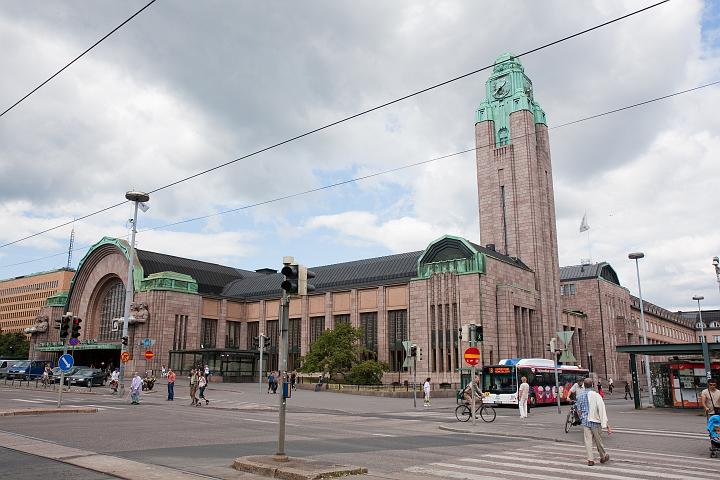
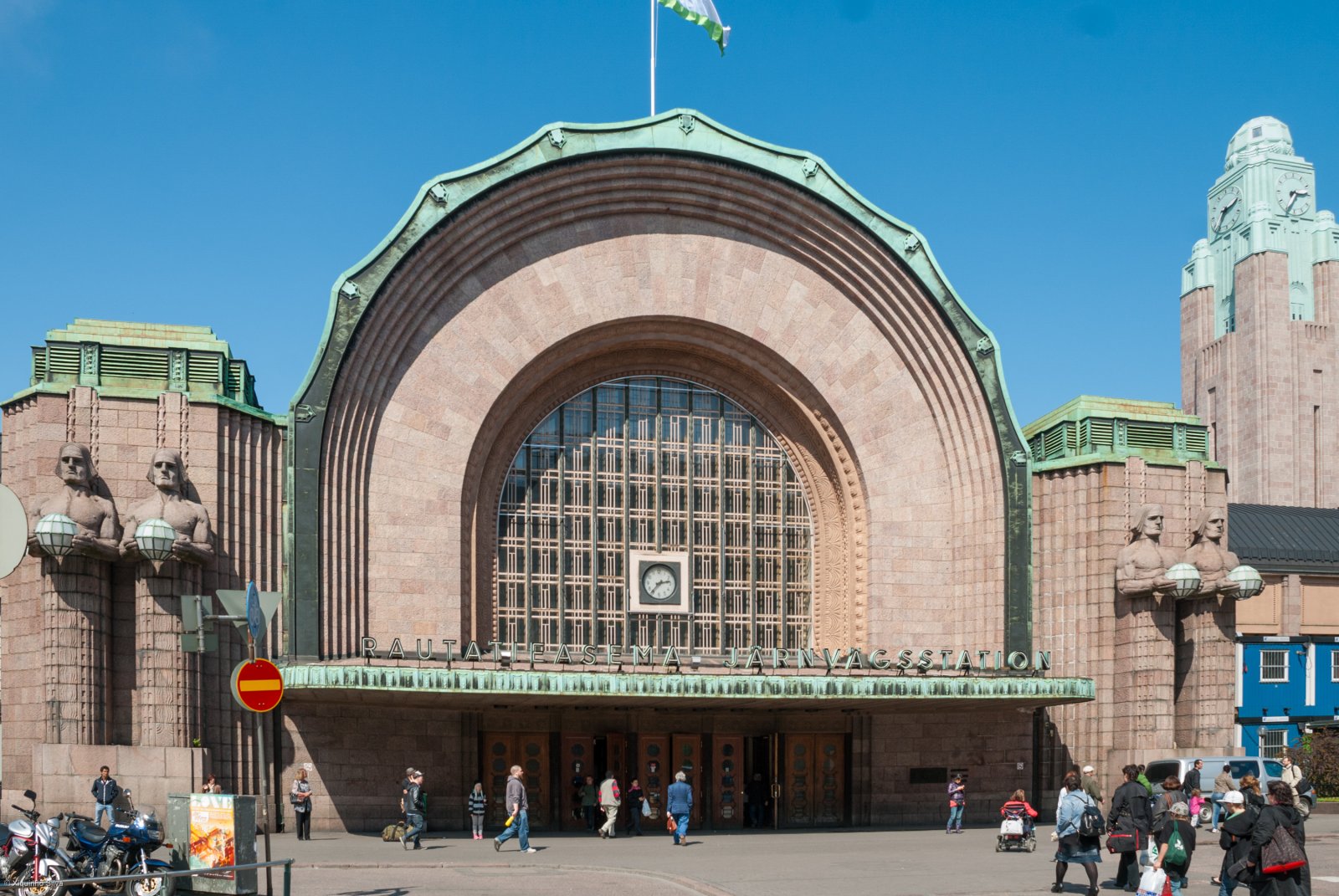
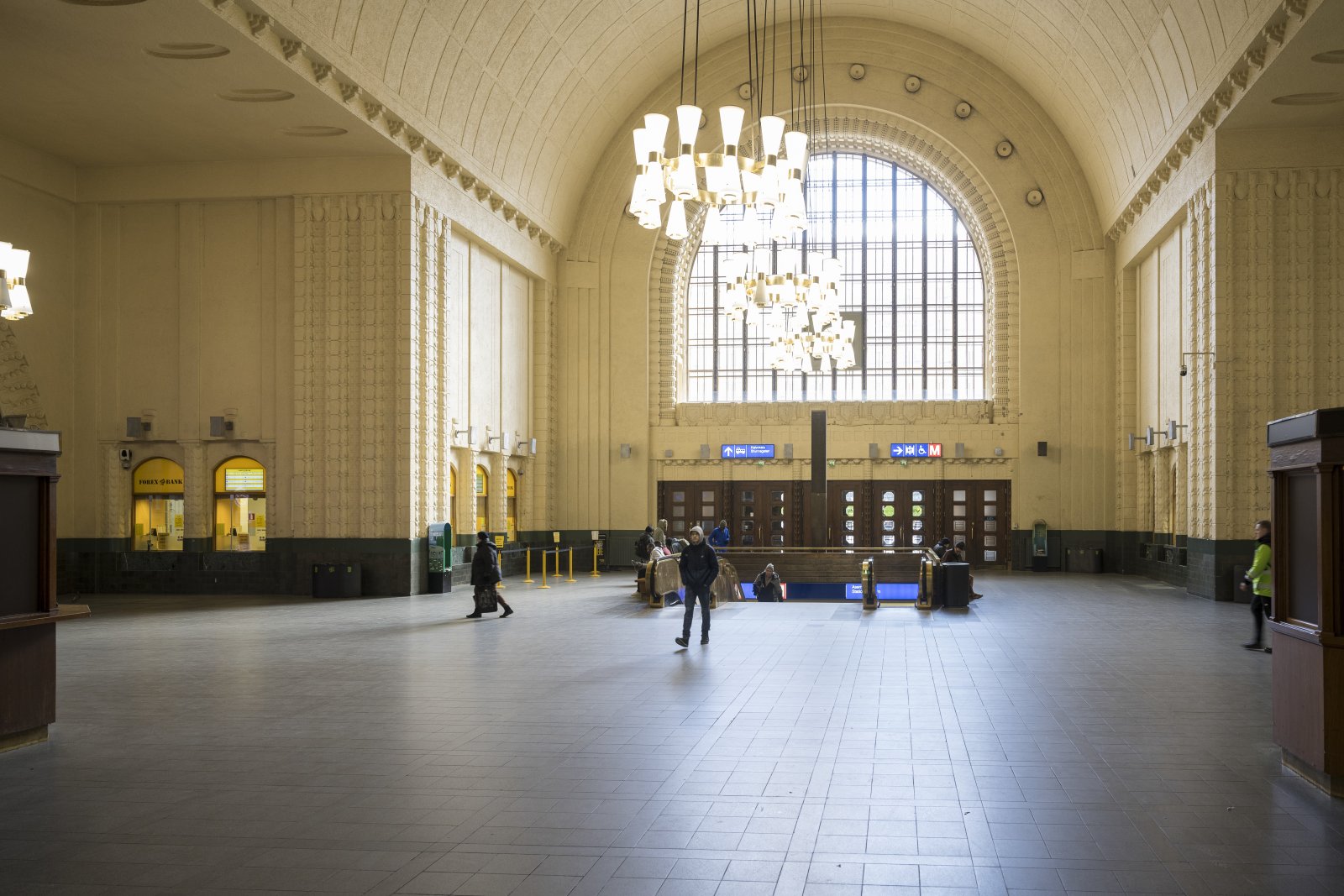
{ "title": "Helsinki's Main Railway Station: Architectural Marvel in Finland", "description": "As you step into Helsinki's main railway station, you are immediately enveloped in a blend of history, art, and culture. Completed in 1919 and designed by the renowned architect Eliel Saarinen, this masterpiece stands as the pinnacle of the national Romantic movement in Finland. The station is not merely a transit hub; it is a living testament to the city's architectural ambition and cultural aspirations.\n\nHistory and Origins \nHelsinki's railway station has roots that trace back to the late 19th century. The city was officially founded in 1550, but substantial development began in the 1800s when it was declared the capital of Finland. The need for a central railway station became clear as the city expanded, and by 1860, the first railway line connected Helsinki to Hämeenlinna. The current station was inaugurated in 1919, shortly after Finland gained independence from Russia in 1917. This historical context adds layers of significance to the station, as it symbolizes not just connectivity but also national identity.\n\nArt and Architecture \nSaarinen’s design is a stunning example of national Romanticism, characterized by its monumental scale and intricate details. The station is primarily constructed from Finnish granite, giving it a robust yet elegant appearance. One of its most iconic features is the clock tower, which rises majestically over the entrance, symbolizing the passage of time and the constant flow of travelers.\n\nFlanking the entrance are two striking statues of giants, each holding a spherical lamp that casts a warm glow at night. These figures are emblematic of Finnish folklore and add an element of mythic grandeur to the station. Inside, the spacious hall features art deco elements, with high ceilings adorned with subtle yet beautiful details. The overall design encapsulates a sense of optimism and modernity, reflecting the aspirations of a newly independent nation.\n\nLocal Culture and Traditions \nHelsinki's main railway station is not just a transit point; it is a cultural epicenter. It serves as a meeting point for locals and visitors alike, embodying the warm Finnish tradition of *kalsarikännit*, or "
Helsinki's main railway station - Helsinki | Secret World Trip Planner
🗺 AI Trip Planner 2026

Plan your visit to Helsinki

Suggested itinerary near Helsinki's main railway station

MAJ+
500.000+ travelers worldwide
  1. 🌅
    Morning
    Helsinki's main railway station
    📍 Helsinki
  2. ☀️
    Afternoon
    L'Ateneum Art Museum di Helsinki
    📍 0.2 km · Helsinki
  3. 🌆
    Evening
    Kalakukko is a traditional food
    📍 0.2 km · Helsinki

Buy Unique Travel Experiences

Powered by Viator

See more on Viator.com

Explore nearby · Helsinki

Frequently Asked Questions

Helsinki's main railway station was designed by renowned Finnish architect Eliel Saarinen and completed in 1919, shortly after Finland gained independence from Russia. The station stands as a masterpiece of the national Romantic movement and symbolizes both architectural ambition and national identity.
The two striking statues of giants flanking the entrance are emblematic of Finnish folklore and are among the station's most recognizable features. Each giant holds a spherical lamp that casts a warm glow at night, adding mythic grandeur to the station's impressive facade.
The station is an outstanding example of national Romanticism, primarily constructed from Finnish granite for a robust yet elegant appearance. Inside, the spacious hall features art deco elements with high ceilings adorned with subtle yet beautiful details.
The clock tower rises majestically over the station's entrance and symbolizes the passage of time and the constant flow of travelers. It is one of the station's most iconic features and serves as a defining landmark of Helsinki's skyline.
The first railway line connected Helsinki to Hämeenlinna in 1860, but the current station was built in 1919 to accommodate the city's expansion after Helsinki was declared Finland's capital in the 1800s. The new station represented the nation's modernization and independence following 1917.
