
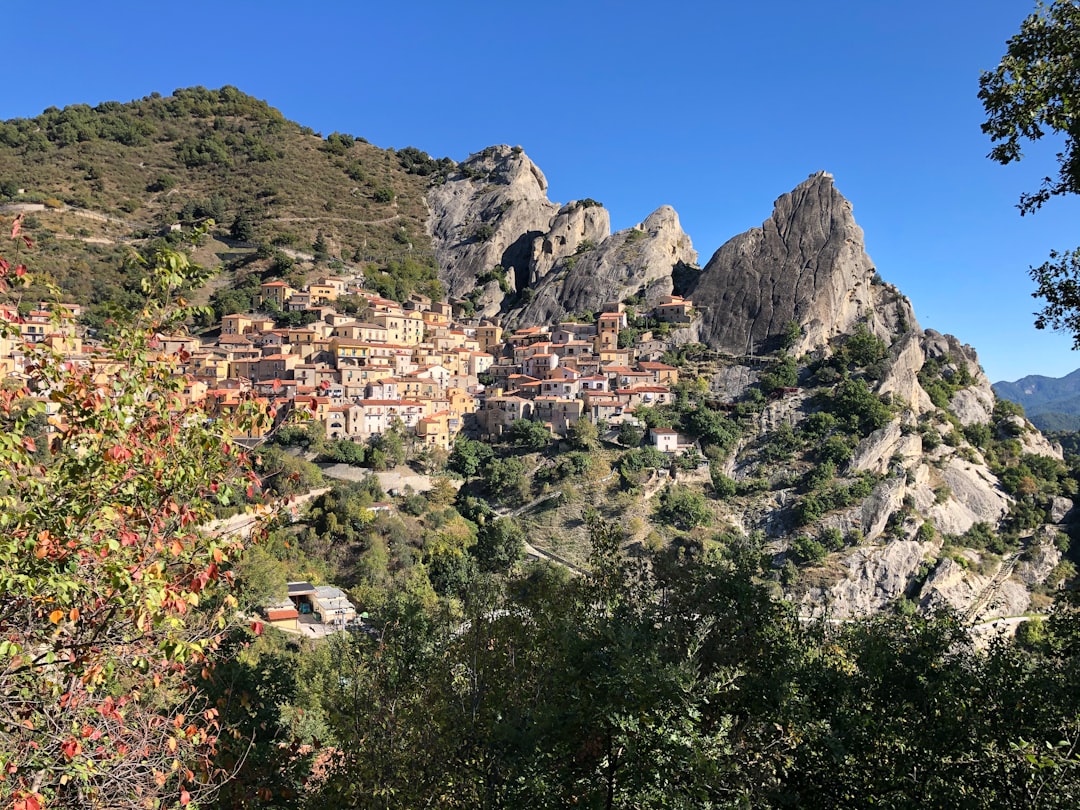

The light enters at an angle, drawing on the limestone floor a reflection that changes color with the tide. The Hercules Caves, carved into the cliff about 14 kilometers west of Tangier, along the Atlantic coast of Morocco, are one of those places where geology and legend overlap without being able to distinguish where one ends and the other begins. The main opening that faces the Atlantic Ocean has a shape that resembles — in a mirrored way — the profile of the African continent, a detail that strikes anyone approaching the mouth and looking towards the horizon.
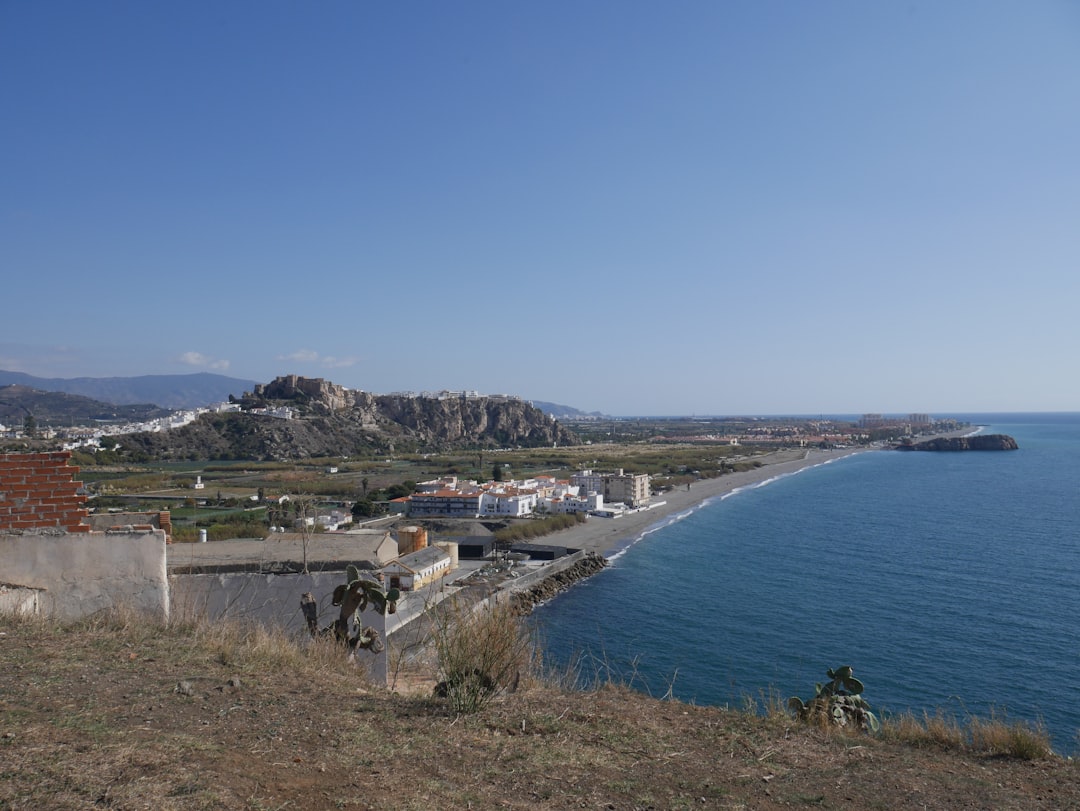
The caves are actually a system of natural cavities shaped by marine erosion over millennia, but human presence here is ancient. Neolithic artifacts found in the area testify to visits dating back thousands of years. Greek mythology associated them with Hercules, who according to legend rested in these caves before completing his twelfth labor, separating Europe and Africa to create the Strait of Gibraltar — hence the name by which the caves are known throughout the Mediterranean.
The shape that no photograph truly captures
Standing in front of the Atlantic opening of the Caves of Hercules is an experience that requires a few seconds of visual adjustment. The intense, white external light contrasts with the internal darkness of the cave, and the silhouette of the opening — several meters high, with the irregular edges of the rock — slowly emerges like a photographic negative. Local fishermen, who have used these caves for centuries as shelter and coastal landmarks, have contributed to carving some of the internal walls to extract millstone, the circular stones used for grinding grain: the circular marks of this artisanal work are still visible on the side walls of the cave, a concrete detail often overlooked by hurried visitors.
The internal tidal chambers change appearance with the rhythm of the tides. At low tide, it is possible to venture deeper and observe the natural pools that form in the rock's crevices, populated by small marine organisms. At high tide, however, the water rises to cover part of the floor, and the sound of the ocean amplifies within the cave in an almost percussive way, creating an atmosphere that justifies every adjective spent by travelers who have visited it over the centuries.
History and Legends: Hercules and the Romans
The name Grotte di Ercole — Grottes d'Hercule in French, the language still widely used in Moroccan tourist signage — reflects the centrality of this place in ancient imagination. The city of Tangier itself, the ancient Tingis, was one of the most important cities of the Roman province of Mauretania Tingitana, and the caves were part of a sacred and mythical landscape for the peoples overlooking the Strait. Some ancient historical sources mention this stretch of coast as the western limit of the known world, the point beyond which the unknown began.
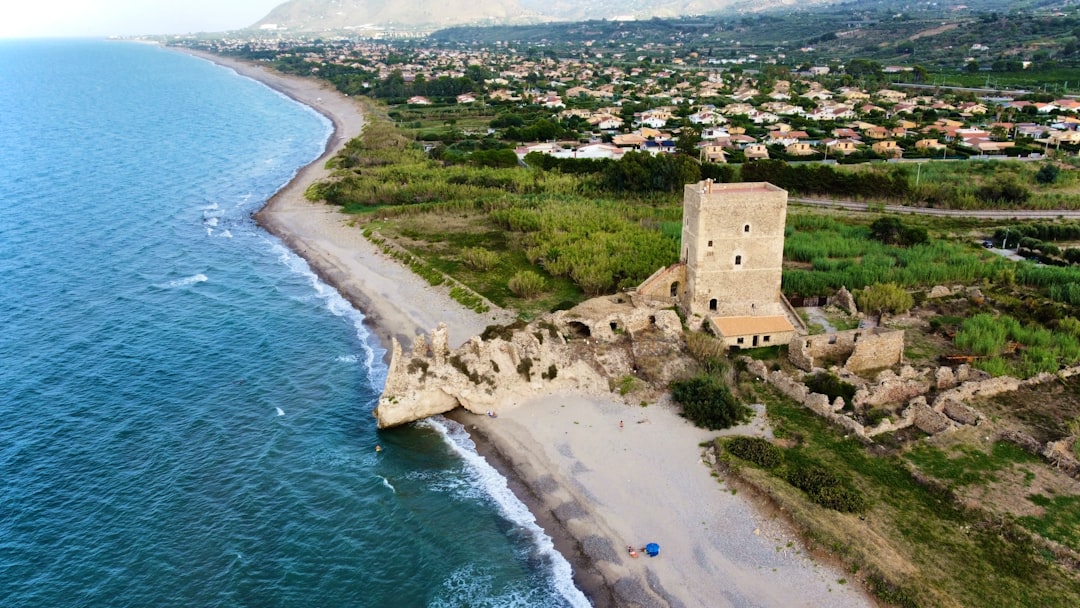
There are no Roman architectural structures within the caves themselves, but the proximity to the archaeological site of Cotta, a small Roman station for the processing of garum — the fermented fish sauce fundamental to Roman cuisine — testifies to how much this stretch of coast was inhabited and exploited in antiquity. Cotta is located a few kilometers from the caves and can be included in the same excursion.
How to visit the Caves of Hercules
The caves can be reached from Tangier by a contracted taxi or by public transport heading towards Cap Spartel, the promontory that marks the meeting point between the Atlantic Ocean and the Mediterranean Sea. The taxi ride from the medina of Tangier takes about 20-30 minutes. At the entrance to the caves, there is an entrance fee which is approximately around 10-15 Moroccan dirhams, a symbolic amount that may vary. The site is managed simply and there is no internal museum structure.
The best time to visit is early in the morning or late in the afternoon, when the slanting light enhances the shape of the Atlantic opening and the groups of tourists are less numerous. It is advisable to check the tide times before departing: with low tide, internal exploration is richer and safer. Wearing shoes with non-slip soles is essential, as the cave floors are often wet and slippery. The complete visit, including time to observe the opening from the outside and inside, generally takes between 45 minutes and an hour.
Why the trip to Tangier is worth it
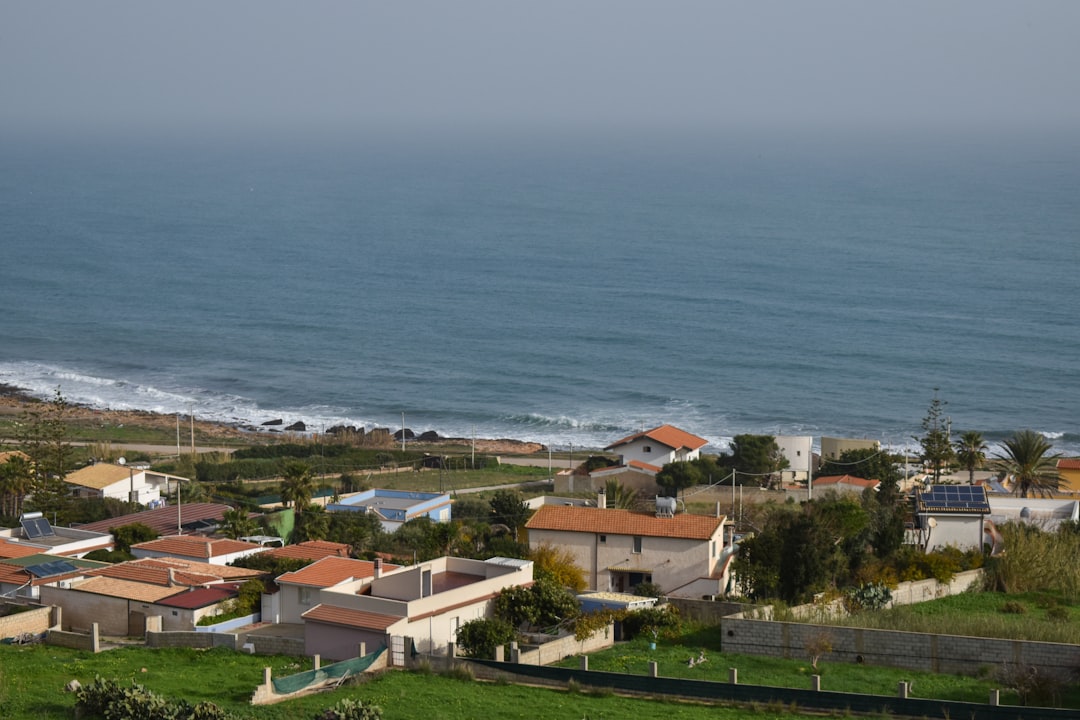
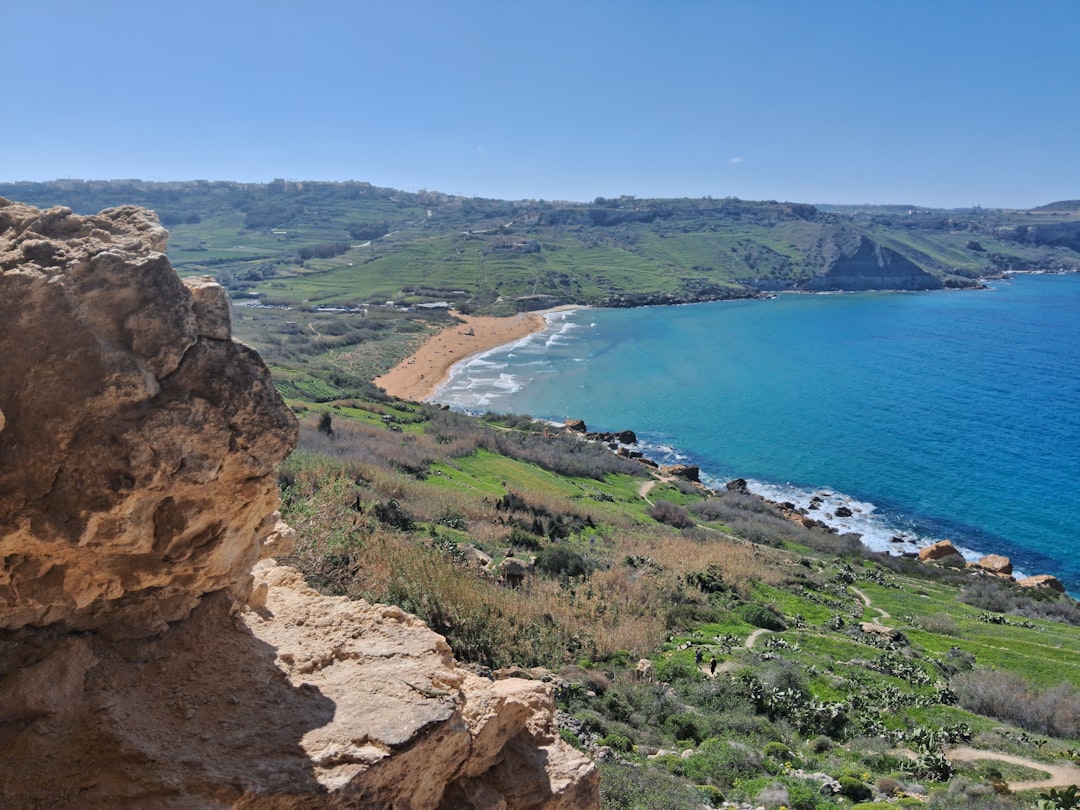
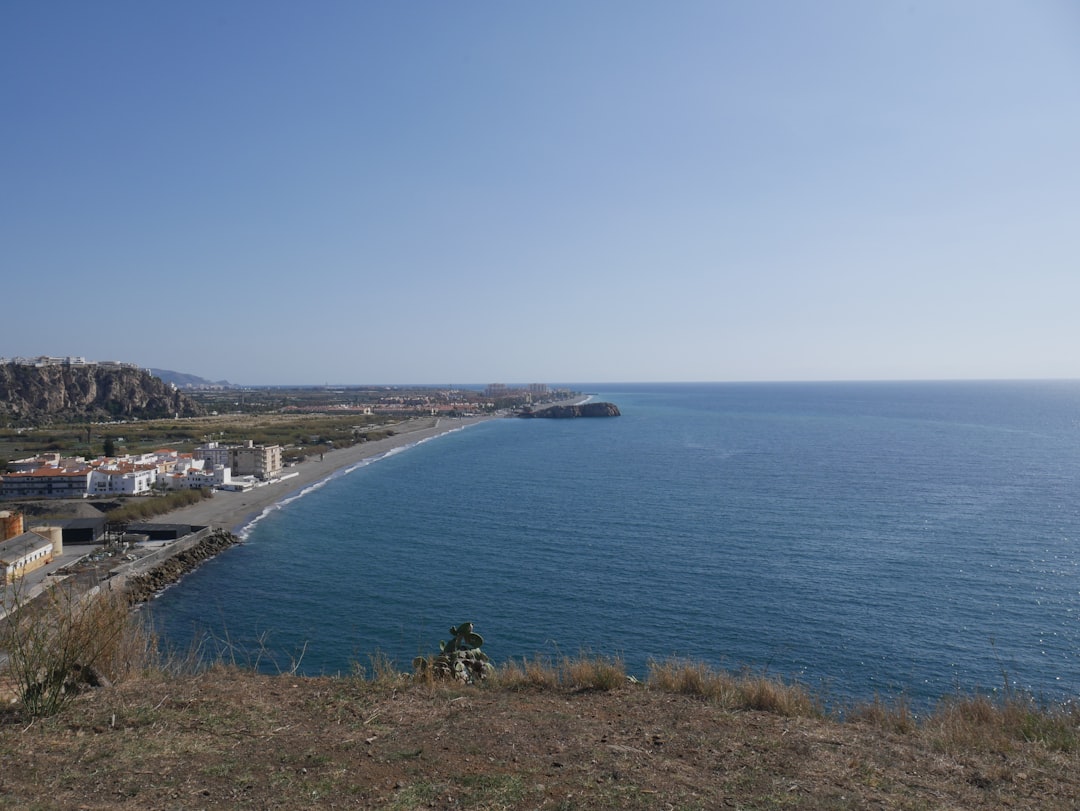
Tangier is a city that is often visited in passing, a landing point for ferries from the Strait or the first stop on a longer journey into inland Morocco. The Hercules Caves offer a concrete reason to dedicate at least half a day to the Atlantic coast before continuing on. The landscape around the caves — low cliffs, Mediterranean scrub, the lighthouse of Cape Spartel visible in the distance — has a luminous quality that changes radically between summer and winter months, when Atlantic storms make the sea spectacular and the site almost deserted.
What remains etched in memory, in the end, is not just the shape of the opening or the sound of water in the inner chambers. It is the feeling of being in a place where the land truly ends, where myth has chosen to dwell not by chance but because the geology itself seemed to invite it.


