
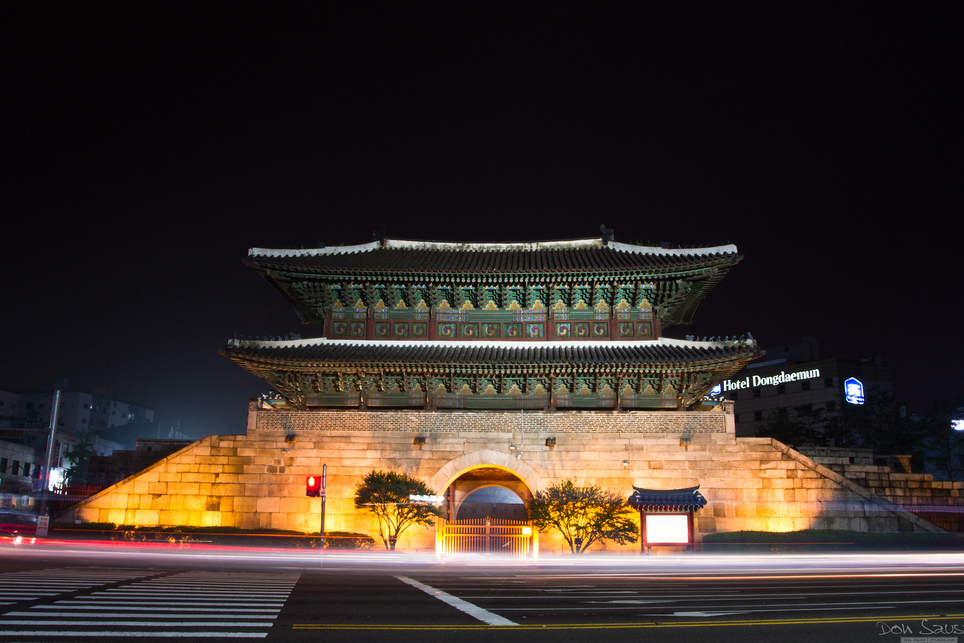

Heunginjimun, known as the Gate of Rising Benevolence, stands as a historical gem in Seoul's Dongdaemun district, inviting visitors to explore its rich heritage and architectural beauty. First constructed in 1398, this gate is one of the Eight Gates of Seoul, a key feature of the city's ancient fortress wall. Its establishment coincided with the early days of the Joseon Dynasty, marking a significant period of growth and development in Korean history. Designed to protect the city from external threats, Heunginjimun not only served a military purpose but also became a symbol of the benevolence of the ruling dynasty, hence its evocative name.
The architectural style of Heunginjimun reflects the late Joseon period, characterized by its robust stonework and wooden structures. The gate was originally built using a blend of granite and brick, showcasing the advanced construction techniques of the time. Its impressive arched entrance, adorned with intricate carvings, invites admiration and respect from all who pass through. Over the centuries, the gate has undergone several restorations, with significant renovations completed in 1907 and 1960, preserving its historical essence while adapting to modern needs.
Beyond its architectural significance, Heunginjimun is a part of the local culture and traditions of the Dongdaemun district. The area around the gate has long been a hub for commerce and trade, particularly known for its vibrant night market that attracts locals and tourists alike. Here, visitors can immerse themselves in the lively atmosphere, sampling traditional snacks like tteokbokki (spicy rice cakes) and hotteok (sweet pancakes), which perfectly embody the flavors of Korean street food. The gate also plays a central role during local festivals, particularly during the Seollal (Lunar New Year) and Chuseok (harvest festival), when traditional ceremonies are held to honor ancestors and celebrate the changing seasons.
One lesser-known curiosity about Heunginjimun is its role as a backdrop in various historical dramas. The gate's picturesque setting has made it a popular filming location for K-dramas, drawing fans from around the world who wish to capture a piece of the story's magic. Additionally, the area is home to the Dongdaemun Design Plaza (DDP), an architectural marvel designed by Zaha Hadid, which juxtaposes the historical gate with modern design, symbolizing Seoul's blend of tradition and innovation.
For those planning a visit to Heunginjimun, the best time to experience its charm is during the spring and autumn months when the weather is mild, and the surrounding cherry blossoms or autumn foliage enhance the beauty of the gate. Early mornings or late evenings are ideal for avoiding crowds and capturing stunning photographs of this historic site.
When visiting, be sure to take a leisurely stroll around the area to fully appreciate the local culture. Check out the nearby Dongdaemun History and Culture Park, where you can learn more about the gate's significance and the broader history of Seoul. Also, don’t miss the chance to savor local delicacies in the bustling markets nearby, where the aromas of sizzling street food fill the air.
In conclusion, Heunginjimun stands not only as a monument of history but also as a vibrant part of contemporary Seoul life, bridging past and present in a uniquely Korean way. To make the most of your visit, consider using the Secret World app to help you craft a personalized itinerary that captures the essence of this remarkable city.


