


At over 2,600 meters above sea level, in the Diqing Tibetan Autonomous Prefecture, in the Chinese province of Yunnan, vineyards grow that defy all conventional viticultural logic. The vines climb along the slopes of the Himalayan valleys, surrounded by Buddhist monasteries, grazing yaks, and snow-capped peaks that exceed 6,000 meters. It is here, in what once cartographers simply called Zhongdian and which was officially renamed Shangri-La in 2001, that China produces some of its most ambitious and sought-after bottles.

The territory of Diqing is located at the crossroads between the Himalayan range and the gorges of the Mekong River, with a daily temperature variation that can exceed 15 degrees Celsius. This feature, combined with intense high-altitude solar radiation and poor glacial soils, creates conditions of water and thermal stress that concentrate aromatic compounds in the berries, producing wines with unusual olfactory profiles for the geographical latitude.
Ao Yun and high-altitude viticulture
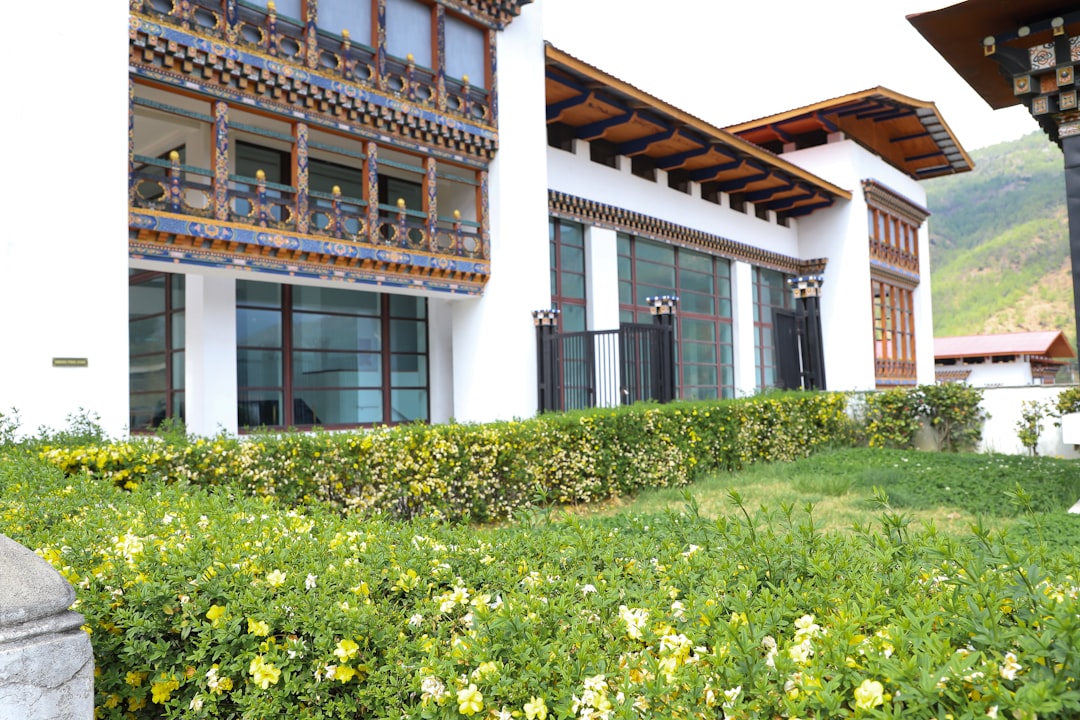
The producer that has brought Shangri-La to the attention of international enthusiasts is Ao Yun, a project of the Moët Hennessy house officially launched in 2013 with its first commercial harvest. The name literally means "to fly above the clouds," a direct reference to the altitude of the vineyards that stretch between 2,600 and 2,800 meters above sea level, distributed across four villages in the valley: Sinong, Adong, Shuori, and Xidang. Each plot is cultivated by local Tibetan families who collaborate with the project's winemaking team.
The Ao Yun blend is primarily composed of Cabernet Franc and Cabernet Sauvignon, with small percentages of Merlot and Petit Verdot depending on the vintage. The wines are aged in French oak barrels for about 18 months before release. The bottles produced annually are only a few thousand, which contributes to their reputation and the price that often hovers between 200 and 300 euros per bottle on the international market. Those who visit the area may occasionally find tastings organized by appointment, but it is necessary to contact the facility well in advance.

The terroir: soils, climate, and vine
The vineyards of Shangri-La grow on alluvial and glacial soils, rich in gravel and pebbles that ensure excellent drainage. The scarcity of water during the ripening season, between August and October, forces the roots to go deep, extracting minerals from ancient geological layers. The result is perceived in the glass: the wines from this area tend to show a firm but not aggressive tannic structure, with naturally high acidity that gives longevity.

The Cabernet Franc grown at these altitudes develops characteristic notes of green bell pepper, graphite, and crunchy red fruits, with a spiciness reminiscent of Sichuan pepper, an ingredient found in local cuisine. The Merlot, on the other hand, tends to express softer notes of plum and dark chocolate, useful for softening the blend in more rigorous vintages. Tasting these wines alongside a dish of stewed yak or aged Tibetan cheese is a pairing that local restaurants offer with increasing gastronomic awareness.
How to visit the area and what to expect
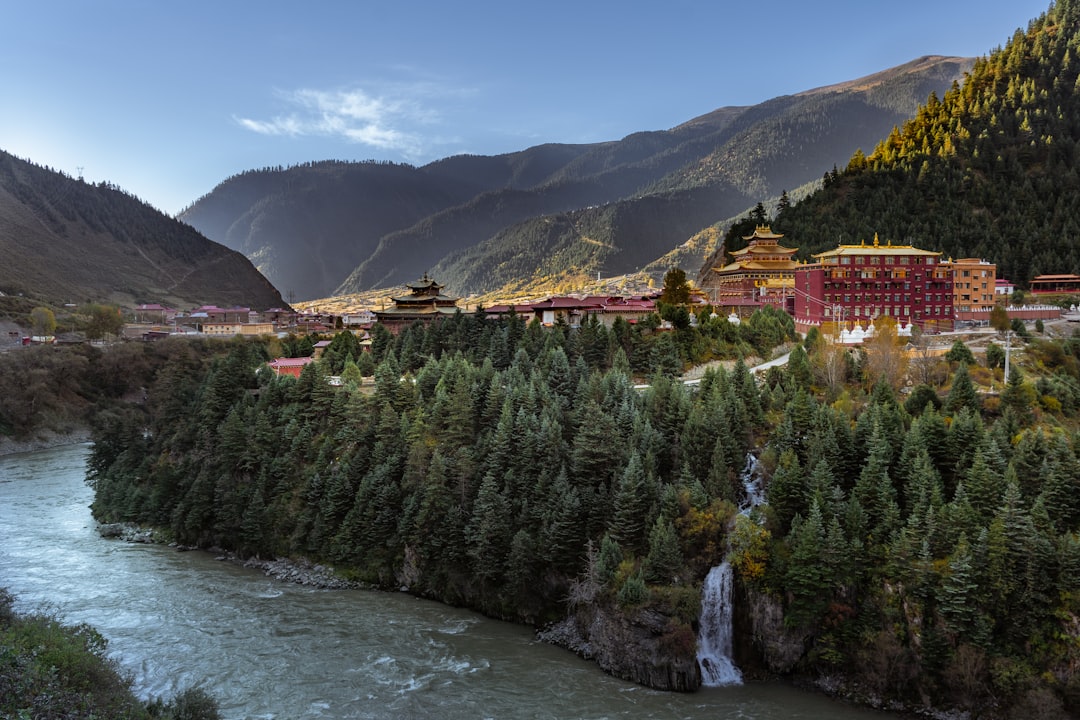
Shangri-La can be reached by air through the Diqing Shangri-La Airport, which receives direct flights from Kunming, Chengdu, and Lhasa. The flight from Kunming takes about an hour. Alternatively, there is a bus connection from Lijiang, a UNESCO World Heritage city about 180 kilometers to the south, with a scenic route that passes through the Tiger Leaping Gorge and takes about four hours. The best time to visit the vineyards is between September and October, during the harvest, when the leaves of the vines take on golden and red colors that contrast with the snow-capped peaks in the background.
Those suffering from altitude sickness should consider that the altitude of Shangri-La exceeds 3,200 meters in the city center, which is higher than the elevation of the vineyards themselves. It is advisable to dedicate at least 24-48 hours to acclimatization before embarking on hikes in the rural areas. The vineyards are generally not accessible as standalone tourist attractions, but some smaller local wineries — different from Ao Yun and active in the area with varieties such as Rose Honey, a local hybrid — organize informal tours during the season. Inquiring at the Shangri-La tourist office is the most reliable way to find tasting opportunities accessible without complex international bookings.
The overall sensory experience
Tasting a wine produced at these altitudes is not just an oenological exercise. Around the vineyards, you can physically see the Tibetan prayer flags fluttering among the rows, the dry stone walls built to protect the vines from the wind, and the traditional irrigation channels that descend from the glaciers. The landscape enters the glass in an almost literal way: the intense brightness of high altitude, the thin air, and the silence interrupted only by the wind make the tasting an experience that is hard to replicate elsewhere.
The wines of Shangri-La do not seek to imitate Bordeaux or Napa Valley. They have their own identity, still being defined after just a decade of structured commercial production, but already recognizable enough to justify a specific trip. For those who combine an interest in oenology with curiosity about Tibetan landscapes, this prefecture of Yunnan offers something concrete and measurable: a glass of wine produced among the highest mountains on the planet, with all the contradictions and wonders that this entails.


