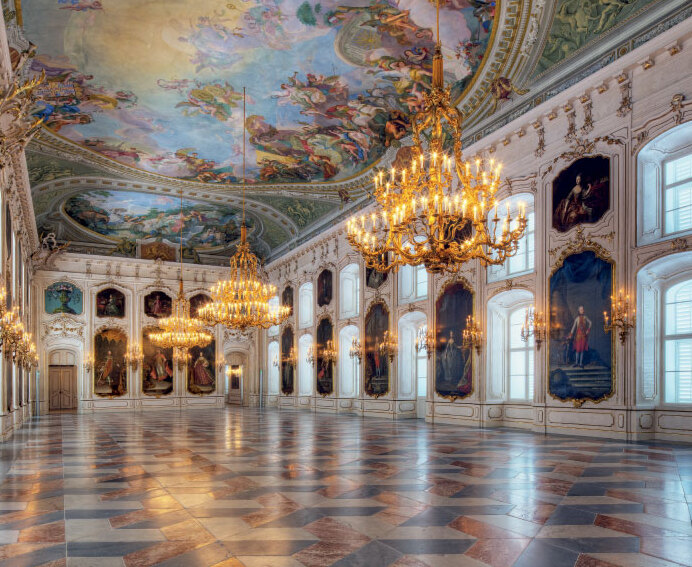

Nestled in the heart of Innsbruck, between the iconic Golden Roof and the majestic Cathedral of St. James, the Hofburg stands as a testament to Austria's imperial past. This Imperial Palace, with roots tracing back to the 15th century, has witnessed centuries of history, art, and culture, making it a must-visit for anyone exploring the Tyrolean capital.
### History and Origins The Hofburg was originally constructed in the late 15th century as a castle for Archduke Sigmund the Rich, who envisioned a residence that would reflect his wealth and power. Its strategic location allowed the archduke to oversee the trade routes that passed through the region. This stronghold was further expanded in the 16th century by Emperor Maximilian I, who transformed it into a more grandiose palace suitable for the imperial family.
However, it was during the reign of Empress Maria Theresia in the 18th century that the Hofburg underwent its most significant transformation. She commissioned a complete Baroque makeover, creating the opulent façade and lavish interiors that we admire today. Notably, the Hofburg Chapel, where the famous Tirolean Boys' Choir performs, has become a symbol of the palace's rich history.
### Art and Architecture The architecture of the Hofburg is a stunning blend of Gothic, Renaissance, and Baroque styles, representing different eras of its development. The grand entrance and the façade are adorned with intricate details that reflect the artistic trends of the time. Inside, the palace boasts an impressive collection of period furniture, tapestries, and artwork that illustrate the lifestyle of the Habsburgs.
Among its treasures, the Imperial Apartments showcase exquisite Rococo decor, while the Maria Theresia Room features stunning ceiling frescoes. Each of the 20 rooms open to visitors tells a story of imperial splendor, though many are left unseen behind closed doors.
### Local Culture and Traditions The Hofburg is not merely a relic of the past; it continues to play a vital role in Innsbruck's cultural landscape. The palace holds various events throughout the year, including classical concerts and seasonal festivals that celebrate local customs. One notable event is the Innsbruck Festival of Early Music, which brings together musicians and performers in the stunning setting of the Hofburg’s historic halls.
Additionally, the palace is often a backdrop for the city’s Christmas markets, where locals and visitors gather to enjoy traditional crafts, mulled wine, and delicious seasonal treats.
### Gastronomy No visit to Innsbruck would be complete without indulging in the local gastronomy, and the Hofburg is no exception. While exploring the palace, be sure to try some Tiroler Gröstl, a hearty dish made from leftover roast potatoes and meat, often served with a fried egg on top. Pair it with a glass of Tiroler Apfelwein, a refreshing apple cider that embodies the region's agricultural heritage.
If you have a sweet tooth, don’t miss out on Apfelstrudel, a traditional apple pastry that pairs perfectly with a cup of local coffee. Many of the nearby cafes, especially those near the Hofburg, offer these delightful treats, making it easy to savor the region’s flavors.
### Lesser-Known Curiosities While the grandeur of the Hofburg is well-known, some hidden details often escape the notice of casual visitors. For instance, the palace is home to the Hofburg Treasury, which houses a collection of Habsburg crown jewels and ceremonial regalia. This hidden gem offers a glimpse into the opulent lives of the emperors.
Additionally, few are aware that the palace was once a refuge for Napoleon Bonaparte during his campaigns in the early 19th century. The stories of these historical figures linger in the air, making the Hofburg a fascinating place to explore.
### Practical Visitor Information To make the most of your visit to the Hofburg, plan your trip during the spring or early fall. The weather is pleasant, and the crowds are often thinner than in the peak summer months. Allocate at least two hours to fully appreciate the palace’s rich history and artistic treasures.
When touring the Hofburg, keep an eye out for the stunning ceiling paintings and the ornate staircases that reflect the palace’s grandeur. Be sure to check the opening times, as they can vary, and consider booking a guided tour for an in-depth experience.
The Hofburg is not just a historical site; it’s a vibrant part of Innsbruck's identity, where the past and present coexist beautifully. Whether you are an art lover, history enthusiast, or simply looking to immerse yourself in local culture, a visit to this imperial palace will undoubtedly leave a lasting impression.
For a personalized itinerary that includes the Hofburg and other hidden gems of Innsbruck, consider using the Secret World app to enhance your travel experience.
