



Nestled within the rugged wilderness of Kenai Fjords National Park, the Holgate Glacier offers a mesmerizing glimpse into the icy heart of Alaska. This tidewater glacier, though smaller compared to its neighbors in Aialik Bay, captivates visitors with its dramatic calving events, where chunks of ancient ice crash into the frigid waters below.

The history of Holgate Glacier is a testament to the vast, slow-moving power of nature. Formed during the last Ice Age, the glacier has been sculpted over millennia, a living remnant of the Pleistocene epoch. The region was once home to the native Alutiiq people, who navigated these icy shores long before European explorers arrived. The glacier itself is named after a member of an early 20th-century expedition, reflecting a time when explorers first mapped these remote lands.
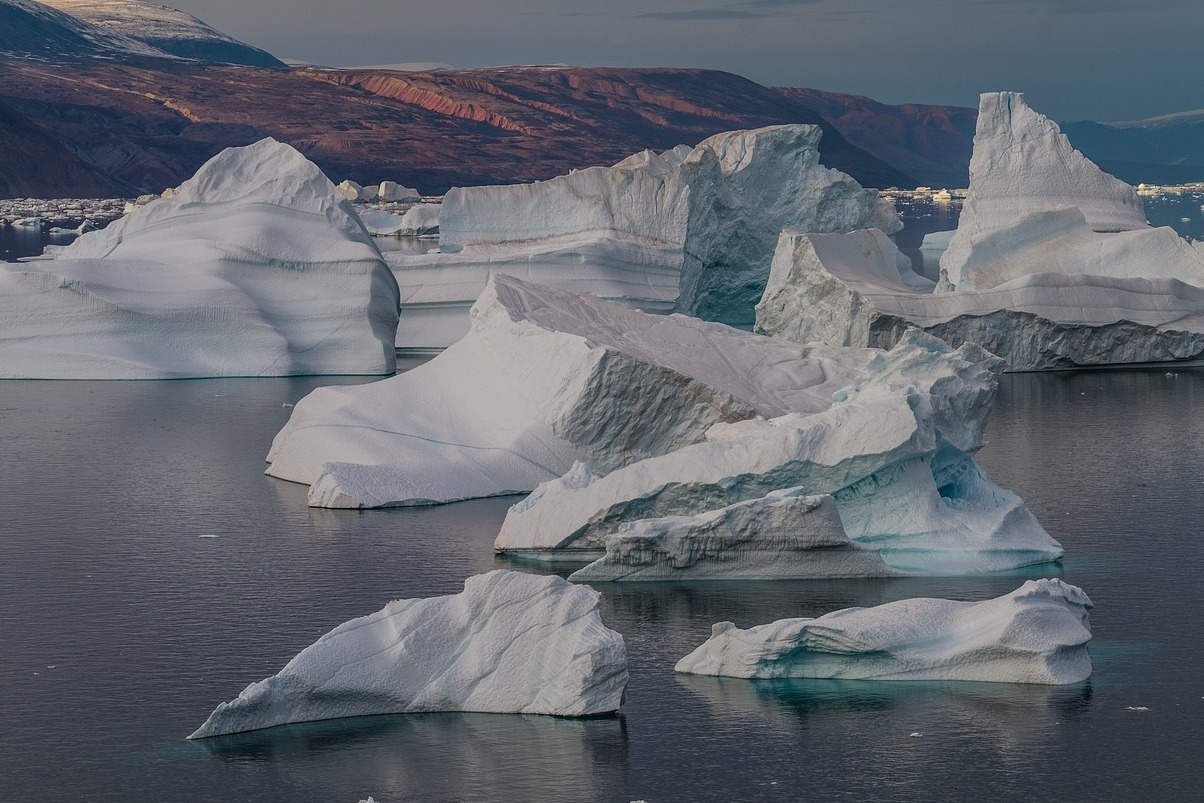
While glaciers are not typically associated with art and architecture, the natural beauty of Holgate Glacier has inspired countless artists and photographers. Its towering ice face, with hues of blue that shift with the light, acts as a canvas painted by the elements. The ever-changing ice formations echo the fluidity of modern sculpture, drawing parallels to works by artists who seek to capture the ephemeral nature of existence.
The cultural tapestry of the Kenai Peninsula is rich with traditions of the indigenous Alutiiq and Sugpiaq peoples. Although the glacier itself is not a focal point for cultural festivals, the surrounding areas celebrate a deep connection to the land and sea. Local customs include storytelling, with tales passed down through generations, often highlighting the significance of nature and the spirits believed to inhabit these lands.
Gastronomy in this part of Alaska is a delicious reflection of its natural bounty. While there are no specific foods directly associated with the glacier, visitors can savor local delicacies in nearby towns such as Seward. Freshly caught salmon and halibut are culinary staples, often served smoked or grilled. The region also boasts a variety of wild berries, including salmonberries and blueberries, which are used in jams and desserts. Pair these with a locally brewed Alaskan beer to complete the experience.
One fascinating yet lesser-known curiosity about Holgate Glacier is its unique soundscape. As the glacier calves, the booming cracks and groans echo across the bay, a natural symphony that captivates all who listen. Additionally, the glacier is home to diverse wildlife, including seals, sea otters, and an array of seabirds. Observing these creatures in their natural habitat is a reminder of the delicate balance of life in this remote corner of the world.
For those planning a visit, the best time to experience Holgate Glacier is during the summer months, from May to September, when the weather is relatively mild and access is easier. Boat tours departing from Seward offer a front-row seat to the glacier's grandeur, often accompanied by knowledgeable guides who share insights about the region’s ecology and history. It's advisable to dress warmly, even in summer, as temperatures near the glacier can be chilly.
When visiting, keep an eye out for the glacier’s calving events, a highlight for many travelers. Binoculars are handy for spotting wildlife, and a good camera is essential for capturing the breathtaking scenery. Remember to respect the pristine environment and follow Leave No Trace principles to preserve this natural wonder for future generations.
Holgate Glacier, with its majestic icy presence and rich historical narrative, invites travelers to explore and reflect on the enduring power of nature. As you stand before its towering ice face, you become part of a timeless story, one that continues to unfold with every crack, every calve, and every whispered breeze.
