
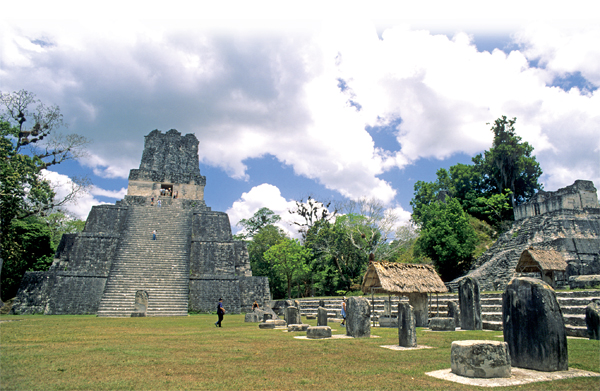

Nestled in the lush hills of western Honduras, the ancient city of Copán stands as a testament to the ingenuity and artistry of the Maya civilization. With its roots tracing back nearly 2,000 years, Copán was not just a city but a vibrant hub of culture, politics, and religion that flourished in the fertile Copán Valley.
History and origins
The origins of Copán date back to around 1000 BC when it began as an agricultural settlement. Over the following centuries, it expanded into a thriving city-state, reaching its zenith between 400 AD and 820 AD under the rule of a single dynasty of 16 kings. The city was uniquely positioned as the easternmost city of the Maya world, strategically located near the border of present-day Guatemala.
Significant events in its history include the rise of its first notable ruler, K’inich Yax K’uk’ Mo’, who initiated an era of monumental construction and artistic expression. The city’s decline in the late 8th century remains a subject of intrigue, often attributed to environmental changes, warfare, or shifts in trade routes. By the time the last known king, Yax Pasah, ruled, Copán had already begun to fall into obscurity, leaving behind an indelible mark on Maya history.
Art and architecture
What sets Copán apart from other Maya sites is its extraordinary artistic legacy. Renowned for its elaborate portrait stelae, the site features over 50 intricately carved stone monuments, each depicting rulers and significant events. These stelae stand tall in ceremonial plazas, telling the story of the city's lineage and achievements.
The architectural style of Copán is characterized by its baroque elements, which differ from the more austere structures found in other Maya cities. The most iconic feature is the Hieroglyphic Stairway, a grand staircase inscribed with over 1,800 glyphs detailing the history of the city. Visitors are often awestruck by the vivid colors that once adorned the temples and monuments, especially the striking use of dark red, which was prevalent in Maya art, symbolizing power and life.
Local culture and traditions
While Copán may be a relic of the past, its influence persists in the local culture. The nearby town of Copán Ruinas embraces its Maya heritage, and traditional customs are still prevalent. Festivals such as Semana Santa (Holy Week) blend indigenous and Catholic traditions, showcasing vibrant processions, music, and dance that reflect the region's rich cultural tapestry.
Local artisans continue to preserve ancient techniques in their crafts, from pottery to textiles. Visitors may encounter traditional Maya ceremonies, where shamans invoke ancestral spirits, offering a glimpse into the spiritual life that still resonates today.
Gastronomy
No visit to Copán would be complete without indulging in its gastronomy. The region is famous for its traditional dishes, including cojines (stuffed corn tortillas) and baleadas (flour tortillas filled with beans, cheese, and eggs). The flavors are often enhanced with local spices and ingredients, creating a unique culinary experience.
To wash it all down, try Honduran coffee, known for its rich and smooth profile, or a refreshing glass of horchata, a traditional drink made from rice, milk, and cinnamon. The local markets provide a true taste of Honduran culture, where vendors sell fresh produce, handmade goods, and street food that invites exploration.
Lesser-known curiosities
While many come to admire the grand architecture and history, there are hidden gems within Copán that often go unnoticed. For instance, the Rosa de Copán, a rare flower native to the region, blooms in the ruins and represents the resilience of nature despite centuries of human activity.
Additionally, the Maya ball game, known as pok-a-tok, was played on courts that can still be found in Copán. The game held great significance, often intertwined with rituals and political events, and was a way for leaders to showcase their prowess.
Practical visitor information
The best time to visit Copán is during the dry season, from November to April, when the weather is most pleasant for exploring the ruins. As for tips, consider hiring a local guide who can provide insights into both the archaeological and cultural significance of the site.
Don’t miss the chance to explore the museum near the ruins, which houses artifacts and detailed exhibits about the history of Copán. Look for the Acropolis, a sprawling complex that offers a deeper understanding of Maya urban planning and architecture.
For those seeking a unique experience, the Secret World app can help craft a personalized itinerary that uncovers the rich history and culture of Copán.


