
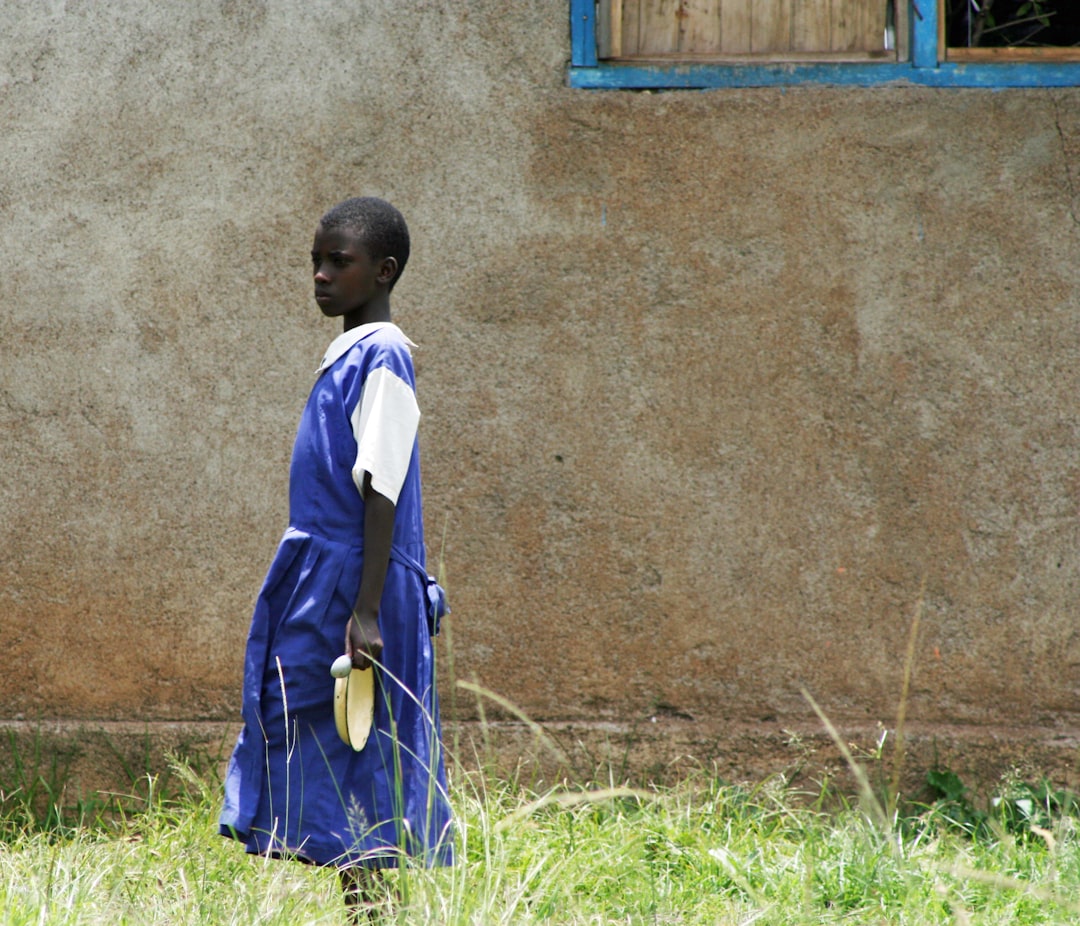

In the heart of Kenya, Hope House represents a non-profit organization dedicated to supporting children and families affected by HIV/AIDS. This center, located in a region where health challenges are particularly pressing, is an example of how community commitment can transform lives and offer a better future. With a clear mission and an integrated approach, Hope House has established itself as a benchmark for education and social support.
The facility is designed to meet the educational, social, and psychological needs of children and their parents, creating a safe and welcoming environment. With a particular focus on low-income families, Hope House strives to improve the quality of life for those facing difficulties related to HIV/AIDS, offering services that range from education to psychological support.
History and Origins
Hope House was founded with the aim of providing shelter and support to women and children affected by HIV/AIDS. Although specific details about its founding in Kenya are not available, the inspiration comes from similar initiatives in other parts of the world, such as in Memphis, Tennessee. Here, the organization has evolved its role over time, transitioning from a care center to an educational and social services facility, demonstrating how innovation and adaptation can meet community needs.
The transformation of Hope House into a center for education and social support is a clear sign of the willingness to address emerging challenges related to HIV/AIDS. Through targeted programs and a holistic approach, Hope House has managed to build a strong bond with the local community, becoming a symbol of resilience and hope.
Key Elements to Observe
Visiting Hope House, visitors can directly observe the positive impact that the organization has on the community. The classrooms, animated by the smiles of children, are spaces where learning and personal growth occur daily. Here, children not only receive an education but also emotional and social support, essential for their development in a challenging context.
Moreover, Hope House's collaborative approach, which involves families and volunteers, creates an atmosphere of sharing and solidarity. Visitors can appreciate not only the facilities but also the human warmth that permeates every activity, witnessing the importance of teamwork and mutual support among families and staff.
Why It Is Interesting Today
Today, Hope House represents a model of how non-profit organizations can have a lasting impact on vulnerable communities. With the increasing awareness of HIV/AIDS, the work of Hope House is more relevant than ever. Its ability to adapt to the evolving needs of the community and provide integrated services makes it an example to follow for other similar initiatives.
In an era where education and social support are crucial to addressing health crises, Hope House offers a beacon of hope. Its mission continues to inspire, demonstrating that even in situations of great difficulty, it is possible to build a better future for generations to come.
Practical Information for Visitors
For those wishing to visit Hope House, it is advisable to contact the organization in advance to plan a meeting or guided tour. The facility is open to collaborations and support from volunteers and donors, making every visit an opportunity to actively contribute to the well-being of the community.
Additionally, by exploring the surrounding area, visitors can discover the rich culture of Kenya, making the visit to Hope House not only a learning experience but also an opportunity to immerse themselves in local life. For those seeking information and tips on how to best plan their experience, the Secret World app can be a useful and informative resource.


