



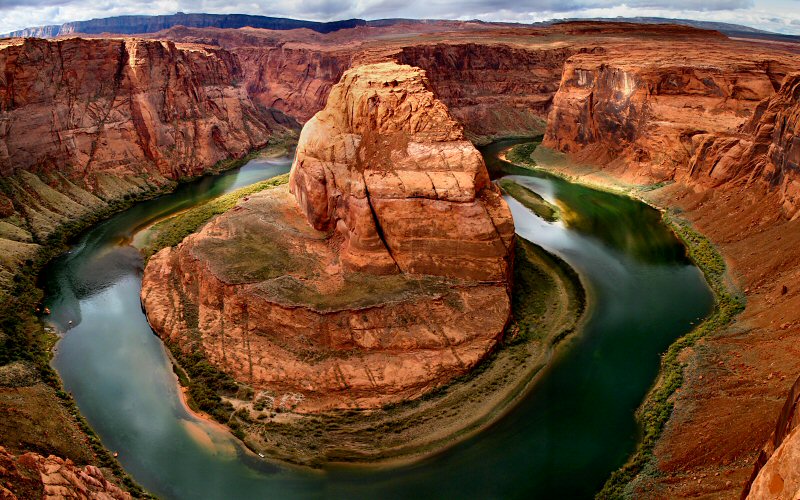
The Horseshoe Bend is not just a stunning vista; it is a testament to the geological and cultural history of Arizona. Located a few miles from Page, Arizona, and carved by the relentless flow of the Colorado River, this natural marvel has captivated visitors for generations. The bend, a striking U-shaped meander, plunges about 300 meters into the canyon, offering breathtaking views from its steep slopes.
### History and Origins The history of Horseshoe Bend is as fascinating as its appearance. Formed over millions of years through the intricate and persistent erosive forces of the Colorado River, the bend has roots that trace back to the Navajo Nation, who have inhabited this region for centuries. The Navajo refer to the area as “T’ááłá’íí,” signifying the importance of the landscape in their culture. The river itself has been a crucial source of life, guiding the early settlers and shaping their agricultural practices.
In the 20th century, the construction of the Glen Canyon Dam in the 1960s significantly altered the surrounding environment, creating Lake Powell and changing water flow patterns. Despite these changes, Horseshoe Bend remains a stunning example of nature's artistry, drawing attention to the fragility and beauty of the natural world.

### Art and Architecture While Horseshoe Bend is primarily a natural wonder, the artistic interpretations it inspires are abundant. The Navajo and other Indigenous artists often depict the landscape in their works, utilizing traditional forms of storytelling through art. The intricate designs found in Navajo pottery and weaving frequently echo the shapes and colors found in the canyon.
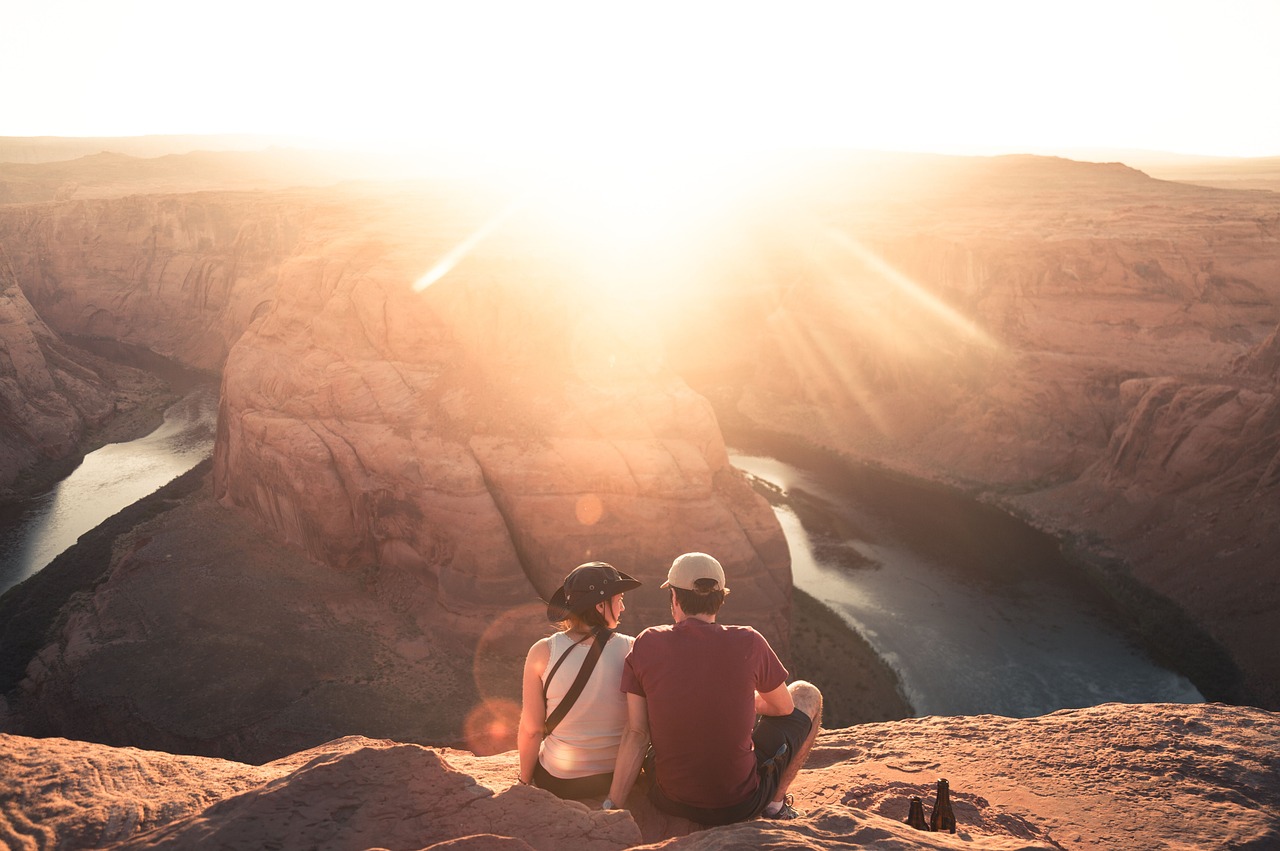
Photography is perhaps the most popular artistic expression associated with Horseshoe Bend. The iconic view has been captured by countless photographers, especially at sunrise and sunset when the light casts dramatic shadows across the canyon walls. The artistry of nature here has inspired not only photography but also painting and digital art, making it a significant cultural icon in the American Southwest.
### Local Culture and Traditions The local culture surrounding Horseshoe Bend is deeply rooted in Navajo traditions. The Navajo people celebrate various festivals, including the Navajo Nation Fair, which showcases their rich heritage through traditional dances, crafts, and culinary delights. This fair is a vibrant display of community spirit, emphasizing the importance of cultural preservation amidst modernization.
Visitors to the area may also encounter traditional Navajo ceremonies that honor the land and its resources, emphasizing a profound respect for nature. These practices serve as a reminder of the intricate connection between the Indigenous peoples and their environment, enriching the visitor experience with a deeper understanding of the land’s history.
### Gastronomy The flavors of Arizona are as diverse as its landscapes. Traditional Navajo cuisine includes dishes like Navajo tacos, made from fry bread topped with beans, cheese, and vegetables, and posole, a hominy stew often flavored with pork and spices. Visitors can find local eateries in Page that serve these authentic dishes, providing a taste of the region’s heritage.
Additionally, the area is known for its blue cornmeal, a staple in many traditional dishes, and sourdough fry bread, which has become a beloved treat among visitors. Pairing these unique offerings with a local craft beer or a refreshing prickly pear lemonade can elevate the culinary experience.
### Lesser-Known Curiosities Beyond its breathtaking views, Horseshoe Bend holds a few secrets that many tourists might overlook. For instance, the bend was once a remote area frequented primarily by local fishermen and adventurers. Interestingly, its rise in popularity can be attributed to the advent of social media, with stunning photographs shared widely online, leading to an influx of visitors.
Another fascinating detail is the unique geological formations visible from the viewpoint. The Navajo Sandstone, from which the canyon walls are formed, is around 190 million years old and showcases a variety of colors ranging from deep reds to golden hues, depending on the time of day and weather conditions.
### Practical Visitor Information The best time to visit Horseshoe Bend is during the spring and fall months when temperatures are mild, and the skies are often clear. Early mornings or late afternoons offer the most breathtaking lighting for photographs, particularly during sunrise and sunset.
The hike to the viewpoint is relatively short, approximately 1.5 miles round trip, but it can be steep and sandy, so sturdy shoes are recommended. Be sure to bring water, especially during warmer months, and consider visiting during weekdays to avoid the larger crowds on weekends.
When you arrive, take a moment to appreciate the silence and beauty of the surroundings; the sight of the Colorado River winding through the canyon is a reminder of nature's power and grace.
For a truly personalized exploration of this magnificent area, consider using the Secret World app to plan your itinerary.
