
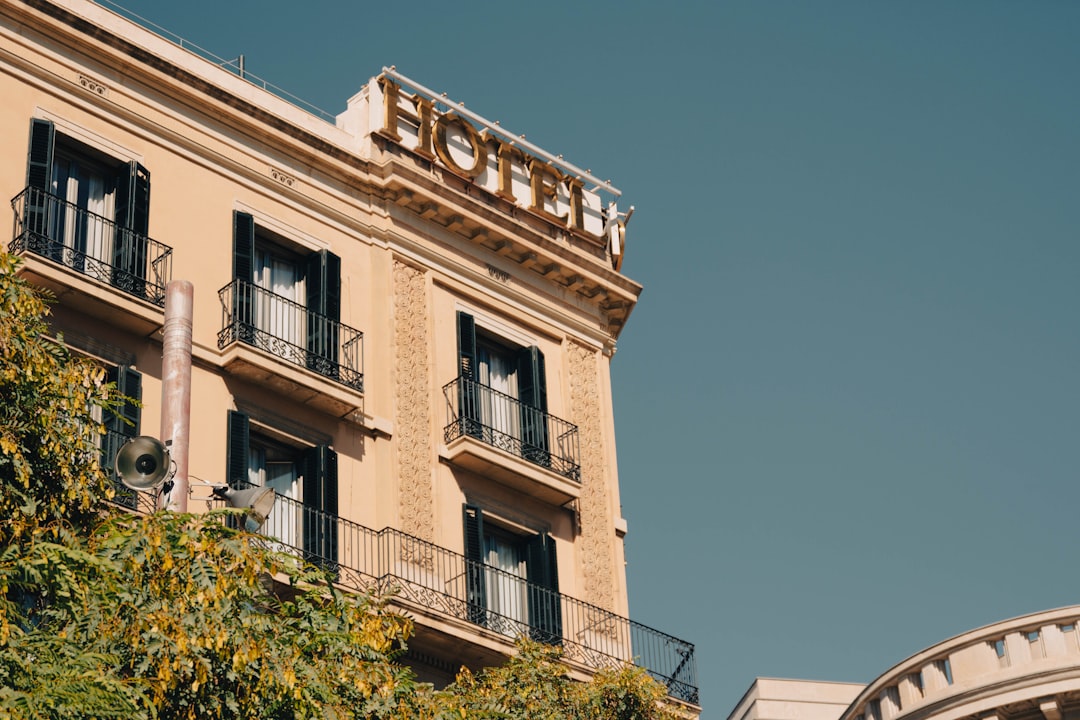

Touching a wall and feeling the grainy texture of compressed salt under your fingers: this is the first, surprising sensation that greets those who cross the threshold of the Hotel Palacio de Sal, in Colchani, on the edge of the Salar de Uyuni in Bolivia. Here, it is not a decorative effect or a superficial coating — the load-bearing walls, floors, tables, chairs, and even the beds are built with blocks of salt extracted directly from the salt flat, the largest salt desert in the world with its over 10,000 square kilometers of extension.
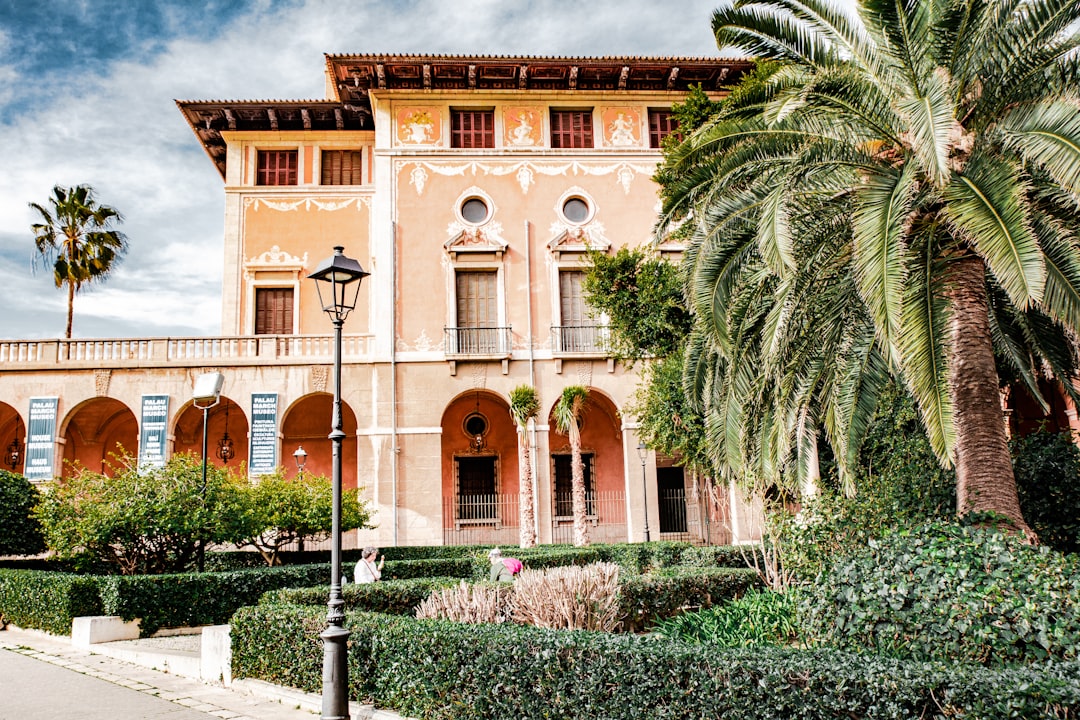
The hotel was founded by Juan Quesada, a Bolivian entrepreneur who believed in the possibility of transforming the most abundant raw material of this region into a unique hospitality experience. The original structure dates back to the 1990s, but the current building — more solid, expanded, and equipped with modern comforts — is the result of a reconstruction completed in the early 2000s, after the previous version had shown signs of wear caused by seasonal humidity. Today, the Palacio de Sal has about 30 rooms and represents one of the most well-known examples in the world of architecture made from unconventional natural materials.
An architecture that defies every convention
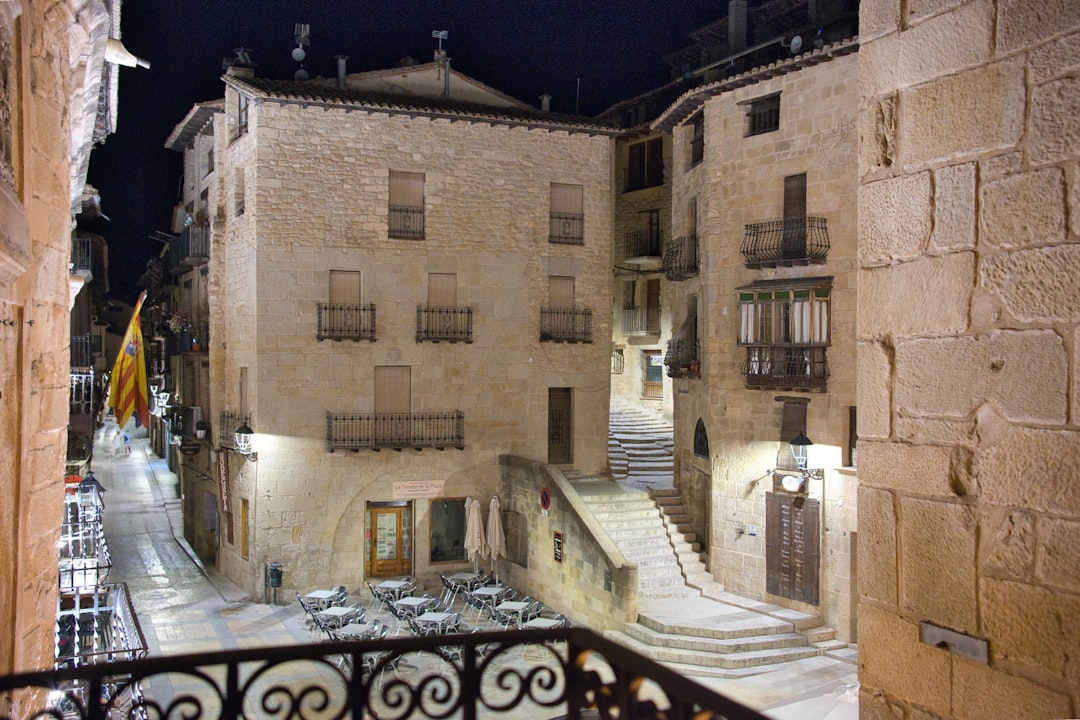
Every structural element of the hotel has been carved from hand-cut salt blocks and stacked like bricks, without the use of traditional cement: a mixture of wet salt acts as a binder that, solidifying, creates surprisingly strong joints. The walls reach considerable thicknesses, necessary not only for stability but also to ensure effective thermal insulation in an environment where temperature fluctuations between day and night can be extreme — temperatures easily shift from above 20°C during the central hours to below freezing after sunset.
Walking through the corridors, one notices details that reveal the artisanal care of the project: the salt blocks are not uniform like industrial bricks, but retain color variations ranging from pure white to pearl gray, with ochre veins where the concentration of minerals differs. The surfaces are not polished but deliberately left rough, almost constantly reminding the visitor of the geological nature of the material that surrounds them. Even the chandeliers and some decorative elements are made with salt crystals, which diffuse light in a warm and irregular manner.

The interiors: living inside a crystal
The rooms of the Palacio de Sal are furnished with beds whose frames are made of salt blocks, covered with regular mattresses and bedding to ensure nighttime comfort. The nightstands, tables, and shelves follow the same construction logic. The overall effect is that of being inside a habitable mineral sculpture: the air is slightly drier than outside, and in some seasons, a faint salty smell can be perceived, not unpleasant, similar to that of sea air.
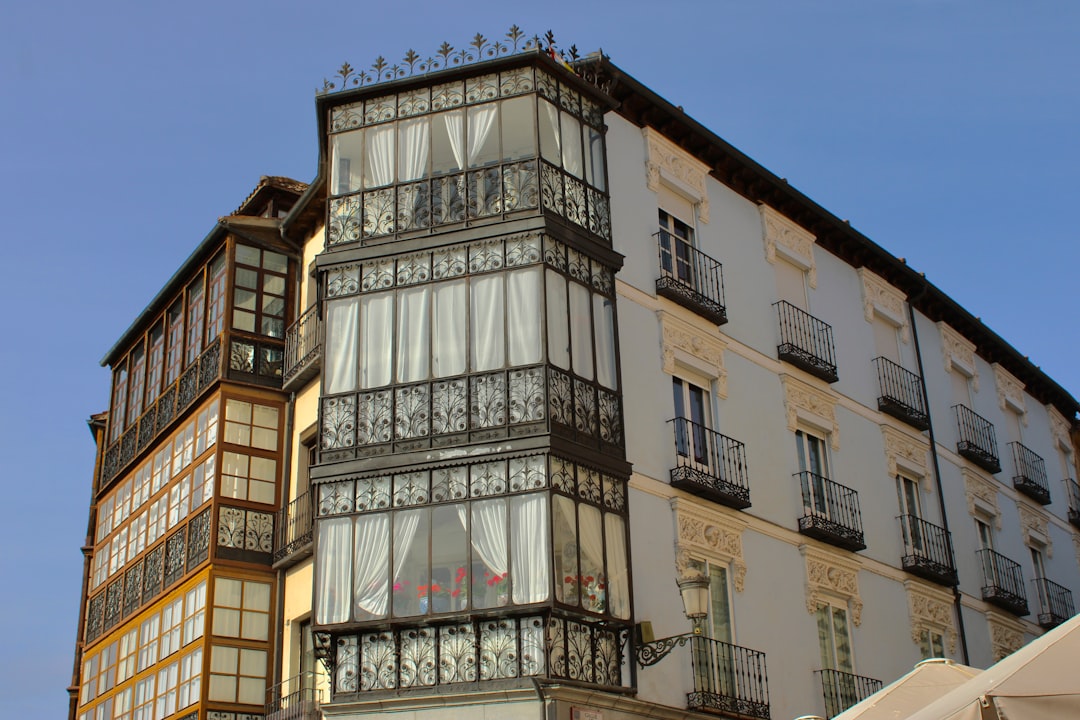
The lobby and the restaurant are the spaces where the architecture expresses itself more broadly. The floor of the restaurant, made of compressed salt slabs, reflects light differently depending on the time of day, changing almost color between morning and sunset. The only rule that guests are invited to respect is not to lick the walls — a notice that also appears on some signs inside the structure and which, as strange as it may seem, is necessary to preserve the integrity of the surfaces over time.
How to get there and when to visit

The Hotel Palacio de Sal is located in Colchani, a small village about 22 kilometers from Uyuni, the nearest city with an airport that has connections to La Paz and other Bolivian cities. From Uyuni, it takes about 20-30 minutes by car to reach the hotel, traveling along a dirt road that runs alongside the edge of the salt flat. Many agencies in Uyuni offer private transfers or the option to include a visit to the hotel in a tour of the salt flat.
The best time to stay is during the dry season, between May and October, when the salt flat is safely passable and offers ideal conditions for sunset photography with the reflection of the sky on the white surface. During the rainy season, from December to March, the salt flat is covered with a thin layer of water that creates the famous mirror effect — spectacular to see, but which makes some areas inaccessible and can cause damage to salt structures if the humidity is excessive. Those who do not stay can still visit the common areas of the hotel, ideally during the central hours of the day, when natural light best highlights the architectural details.
Why the trip is worth it
The Palacio de Sal is not just a curious hotel: it is the concrete demonstration that a territory can become building material itself, transforming its geological identity into lived space. Sleeping here means physically understanding, not just visually, what it means to be in one of the most singular landscapes on the planet. Every wall tells millions of years of sedimentation, every table is a fragment of the salt flat that has solidified in a different form. It is an architectural experience that has no easily comparable equivalents elsewhere.


