



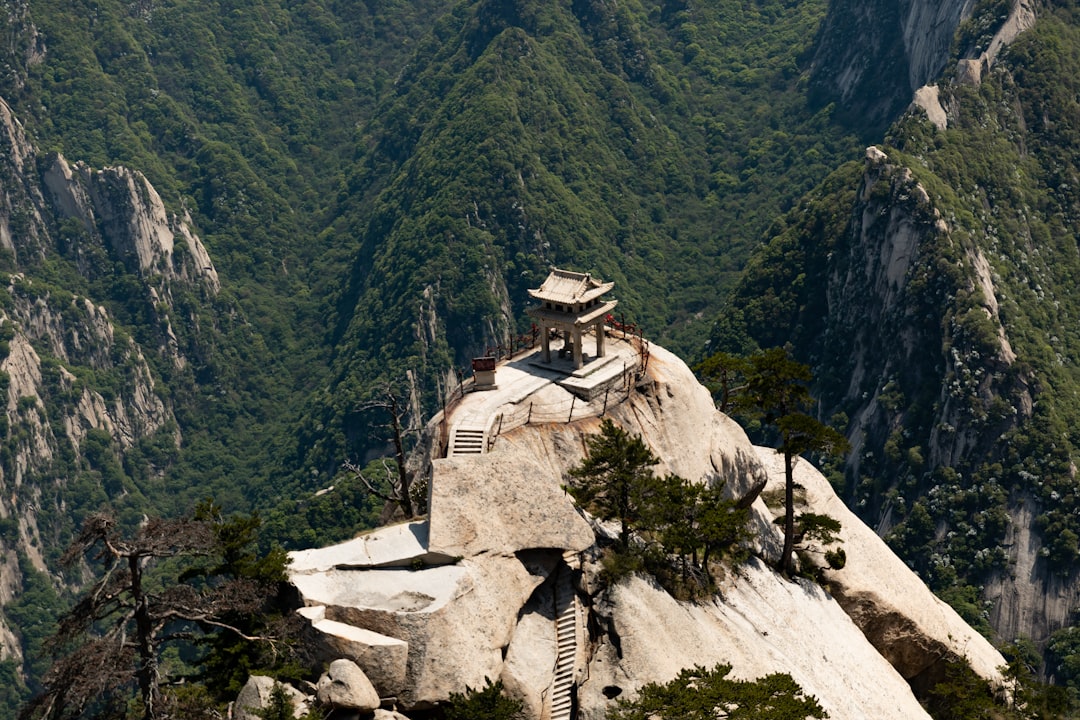
At an elevation of over 2,100 meters, the Huashan Teahouse stands as a tranquil haven amid the rugged beauty of Mt. Huashan. This sacred mountaintop temple, nestled in the Shaanxi Province of China, is not only a place of spiritual reflection but also a destination for those seeking an exceptional cup of tea after a challenging ascent.

The history of Mt. Huashan stretches back thousands of years, intertwining with the roots of Taoism. Regarded as one of the Five Great Mountains of China, it has been a center of Taoist worship since the Han Dynasty (206 BCE – 220 CE). The teahouse, along with its surrounding temples, was established as a sanctuary for ascetics who sought solitude and enlightenment. Historical texts suggest that Xuanwu, a revered Taoist deity, was once believed to have roamed these peaks, adding to the mountain's spiritual significance.
Architecturally, the Huashan Teahouse reflects traditional Chinese design principles, harmonizing with its natural surroundings. Constructed of wood and stone, the teahouse features intricate carvings and ornate eaves that echo the styles found in other Taoist temples. Visitors are often struck by the serene ambiance, accentuated by the sound of rustling leaves and distant mountain winds. The temple's position on the mountain, offering panoramic views of the surrounding landscape, is a testament to the ancient belief that nature and spirituality are deeply interconnected.
Local culture and traditions thrive in the shadow of Huashan. The mountain is a pilgrimage site for practitioners of Taoism, who often participate in rituals and ceremonies aimed at connecting with the divine. Qingming Festival, celebrated in early April, attracts many visitors who come to pay respects to their ancestors at the mountain's temples. These customs highlight the rich spiritual heritage that is integral to the identity of the region.
The culinary offerings at the Huashan Teahouse are an unforgettable experience. Visitors can indulge in locally sourced teas, such as Huangshan Maofeng and Dragon Well, known for their delicate flavors and aromas. Accompanying the tea are traditional snacks, including steamed buns filled with savory meats or vegetables, and sweet mooncakes that reflect the local palate. Sharing a cup of tea while overlooking the majestic peaks creates a unique connection to both the landscape and its heritage.
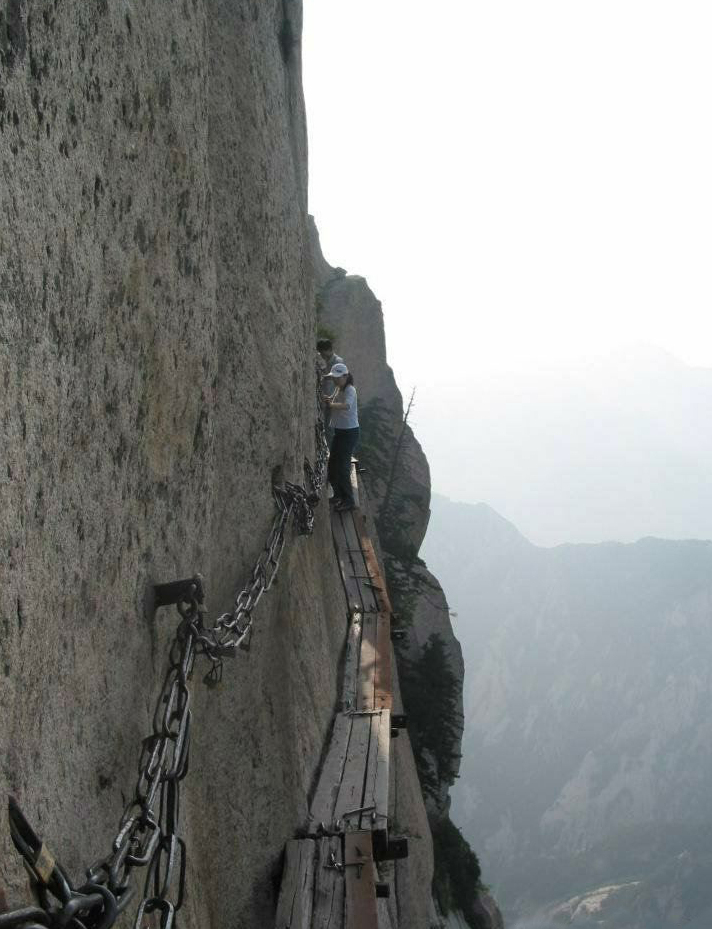
Beyond its breathtaking views and spiritual significance, Huashan offers lesser-known curiosities that add depth to a visit. The mountain is home to the famous Huashan Plank Walk, a thrilling path clinging to the cliffs, which attracts adventurers from around the world. Legend has it that this daring hike was once a pilgrimage route for monks seeking enlightenment, emphasizing the mountain's dual role as both a place of danger and devotion. Additionally, the five peaks themselves are said to represent the five elements of Taoist philosophy, reinforcing the mountain’s sacred status.
For those planning a visit, the best time to ascend Mt. Huashan is during the spring and autumn months, when the weather is mild and the foliage is vibrant. Early mornings are ideal for a hike to the teahouse, as the sunrise casts a golden hue over the peaks, creating a magical atmosphere. It's advisable to wear sturdy shoes and bring water, as some trails can be steep and strenuous. Look out for the small altars and shrines along the paths, which provide not only a moment of reflection but also a glimpse into the mountain's spiritual essence.
In conclusion, the Huashan Teahouse is more than just an oasis for weary travelers; it is a profound reflection of China's spiritual heritage, architectural beauty, and communal traditions. Whether sipping tea while gazing out at the breathtaking landscape or engaging with the cultural tapestry of the region, visitors will find that every moment spent here is steeped in history and significance. To make the most of your journey to Weinan, consider using the Secret World app to craft a personalized itinerary tailored to your interests.
