
← Back

Hungary and its famous Gulash

Ungheria ★★★★☆ 473 views
Maya Tiger
🏆 AI Trip Planner 2026

Get the free app

Discover the best of {city} with Secret World — the AI trip planner with 1M+ destinations. Get personalized itineraries, hidden gems and local tips. Free on iOS & Android.

🧠 AI Itineraries 🎒 Trip Toolkit 🎮 KnowWhere Game 🎧 Audio Guides 📹 Videos
Download on the App Store Get it on Google Play
Scan to download Scan to download
Hungary and its famous Gulash | Secret World Trip Planner

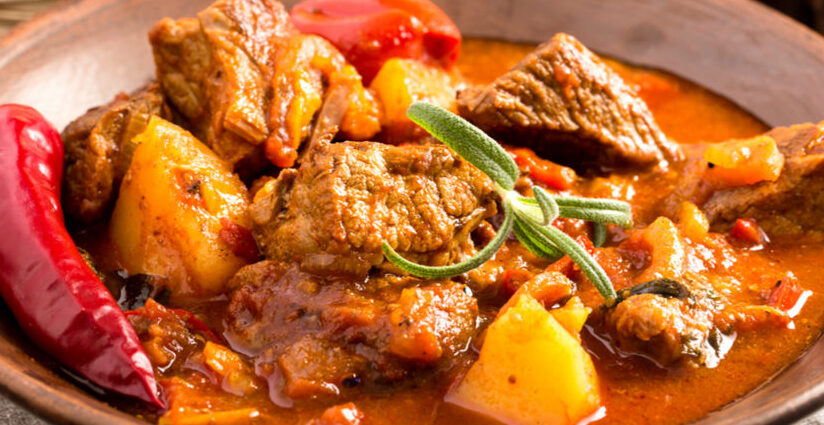
Goulash is not just a dish; it is a symbol of Hungarian culture, a culinary tradition steeped in history and rich flavors. This iconic stew, brimming with succulent beef and spices, tells a story that dates back centuries.

### History and Origins

The roots of goulash can be traced to the 9th century, when the Hungarian herdsmen, known as gulyás, roamed the vast Puszta plains. These herdsmen, responsible for tending to cattle, crafted a simple yet hearty stew from the meat of their livestock, cooked over open flames. The dish served as a practical meal that offered sustenance during long days in the fields.

The term "goulash" derives from the Hungarian word gulyás, meaning herdsman, and gulya, meaning herd. This connection to pastoral life underscores the dish's humble origins. By the 18th century, goulash had evolved from a simple herdsman’s stew into a beloved meal enjoyed by the middle classes, gaining popularity in cities like Budapest. The introduction of paprika, brought to Hungary from the Americas in the 16th century, transformed goulash into a vibrant dish, adding depth and flavor that became synonymous with Hungarian cuisine.

### Art and Architecture

Hungary's cultural landscape is as rich as its culinary heritage. The capital, Budapest, is renowned for its stunning architecture, a blend of Gothic, Renaissance, and Baroque styles. The magnificent Hungarian Parliament Building, completed in 1904, stands as a testament to the nation's architectural prowess. Its grandeur is matched only by the intricate details of Fisherman’s Bastion, which offers breathtaking views of the Danube River.

Art also plays a significant role in Hungary’s cultural identity. The works of Mihály Munkácsy and the contemporary pieces displayed in the Museum of Fine Arts reflect the evolution of Hungarian art through the ages. Visitors can immerse themselves in exhibitions showcasing Hungary's rich artistic traditions, from medieval religious paintings to modern installations.

### Local Culture and Traditions

Hungarian culture is steeped in traditions, many of which are celebrated through vibrant festivals. The Busó Festivities in Mohács, held around February, celebrate the arrival of spring, featuring masked figures who drive away winter. Similarly, the Hungarian National Day on March 15 commemorates the 1848 revolution and is marked by parades and cultural events throughout the country.

The importance of family and community is evident in local customs, where meals like goulash are often shared among loved ones. The tradition of Sunday family dinners remains strong, with goulash frequently taking center stage, symbolizing unity and the warmth of home.

### Gastronomy

Beyond goulash, Hungary’s culinary landscape is diverse. Langos, a deep-fried flatbread topped with garlic, sour cream, and cheese, is a street food staple. The country is also famous for its dobos torte, a layered cake drizzled with chocolate, and palacsinta, thin pancakes filled with sweet or savory fillings.

Pairing these dishes with local wines, especially from regions like Tokaj, known for its sweet dessert wines, enhances the gastronomic experience. The Hungarian spirit, pálinka, a fruit brandy, is often enjoyed as an aperitif, showcasing the country’s rich agricultural heritage.

### Lesser-known Curiosities

While goulash is a staple, many tourists may overlook the regional variations of this dish. In Transylvania, for example, the pork goulash is a popular twist, featuring locally sourced ingredients that reflect the area’s unique flavors. Another fascinating tidbit is that goulash was once considered a meal for the poor, but it has since become a symbol of national pride.

Hidden gems abound in Hungary, such as the Great Market Hall in Budapest, where visitors can experience local life and sample various versions of goulash. The vibrant atmosphere and the wafting aromas create an unforgettable sensory experience.

### Practical Visitor Information

The best time to visit Hungary is during spring (April to June) or autumn (September to October) when the weather is mild and festivals abound. In Budapest, don’t miss the Goulash Festival held in September, where local chefs showcase their culinary skills and visitors can taste various interpretations of this beloved dish.

When traveling through Hungary, consider exploring the countryside, where traditional recipes are often still practiced. Many local eateries pride themselves on serving authentic dishes made from time-honored family recipes.

For an enriching experience that combines culinary delights with cultural exploration, it’s advisable to plan your itinerary carefully. Utilize resources like the Secret World app to create a personalized travel plan that highlights the best of Hungary's rich offerings.

Buy Unique Travel Experiences

Powered by Viator

See more on Viator.com

Explore nearby
