
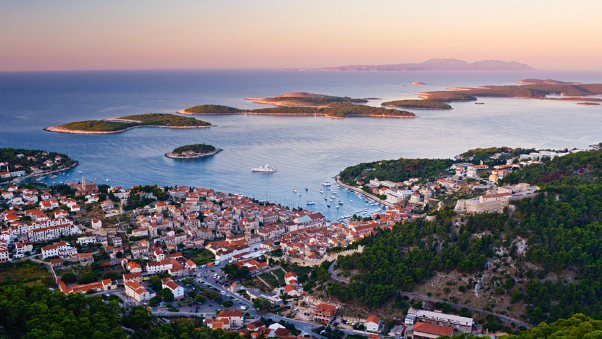

Hvar, an exquisite gem nestled in the azure embrace of the Adriatic Sea, is not just the longest and sunniest Croatian island, but a tapestry woven with history, art, and vibrant culture. This enchanting island, part of the central Dalmatian archipelago, has long captivated travelers with its stunning natural beauty and rich heritage.
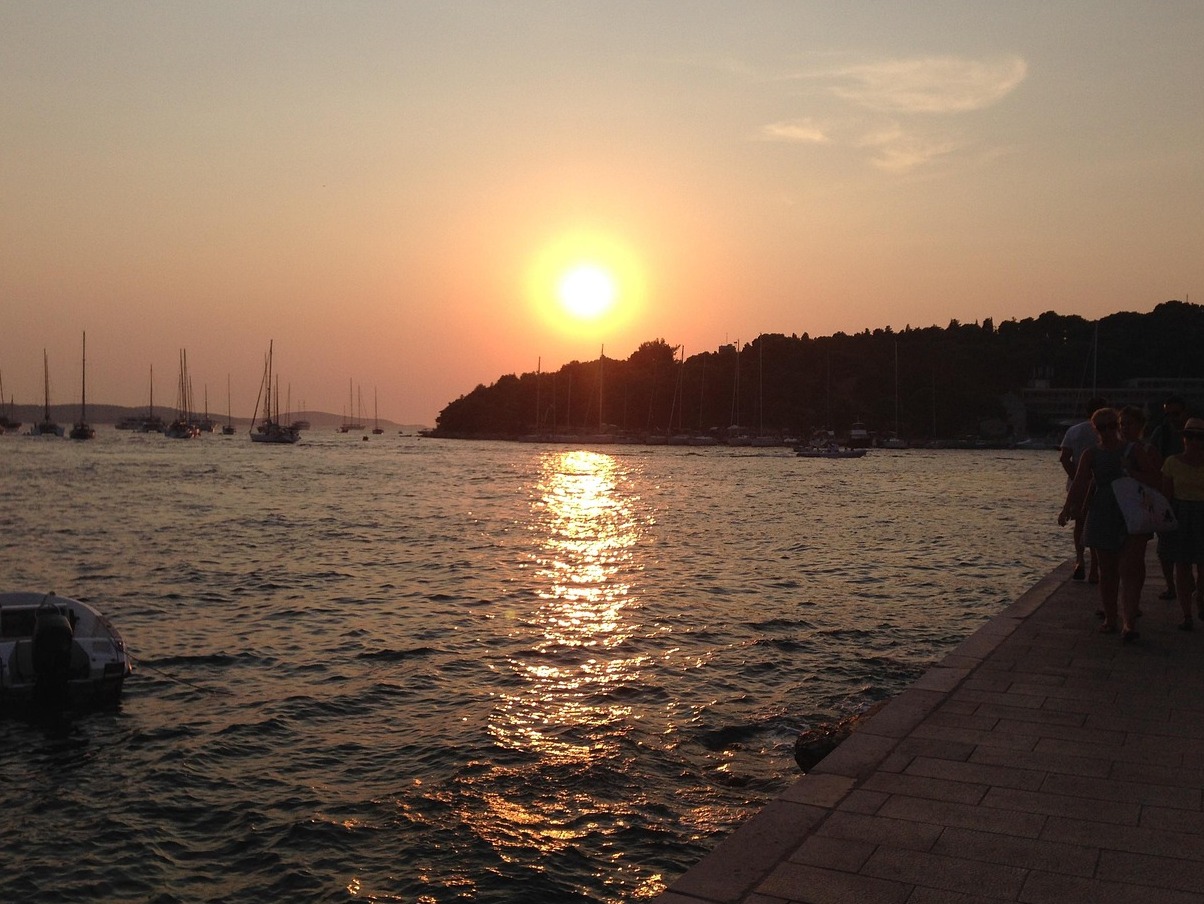
The story of Hvar begins in the ancient times when it was known as Pharos, a Greek colony established in 384 BC. Its strategic location made it a coveted prize for various empires, from the Romans to the Byzantines and Venetians. The island's storied past is evident in its architecture and cultural landscape. One of the most significant historical events was the Battle of Lepanto in 1571, where the island played a role as a crucial naval base. The echoes of these historical moments are still felt today, as you wander through the cobbled streets of Hvar Town or explore the ruins of Fortica Fortress, which offers panoramic views of the island and the sparkling sea beyond.
As you stroll through the old town, the architectural grandeur of Hvar reveals itself in structures like the Cathedral of St. Stephen. This imposing edifice, with its baroque facade, stands as a testament to the island’s artistic prowess. The Arsenal, built in the 13th century and later expanded, is another architectural marvel, housing the oldest municipal theater in Europe, established in 1612. These buildings, with their intricate stonework and historical significance, offer a glimpse into the artistic soul of the island.
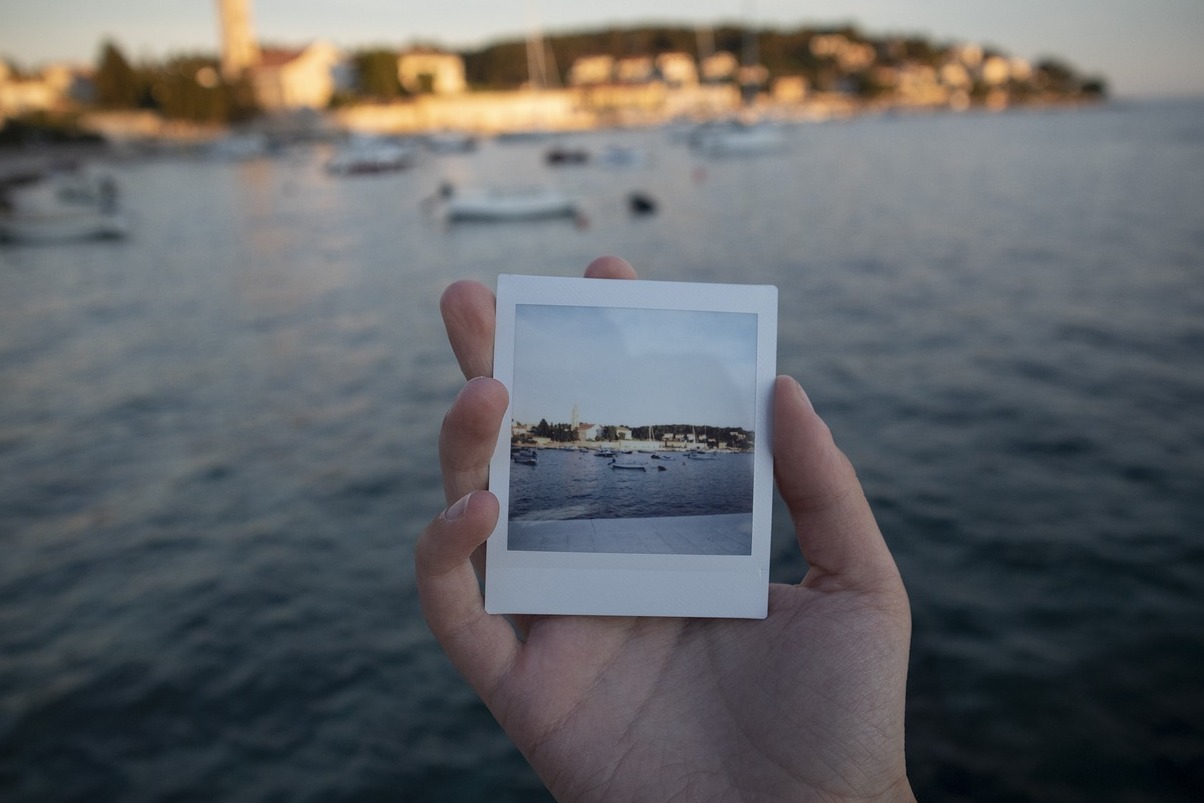
Hvar's local culture is a vibrant mosaic of traditions and celebrations. The island is famous for its annual Lavender Festival, held in the village of Velo Grablje, where the air is filled with the intoxicating scent of lavender and the sounds of folk music. Another significant event is the Hvar Summer Festival, showcasing a range of cultural performances from music to theater, drawing artists and visitors from around the globe. These festivals are not just celebrations but a reflection of the islanders’ deep-rooted connection to their land and heritage.
No visit to Hvar is complete without indulging in its gastronomy, a delightful fusion of Mediterranean flavors and local ingredients. The island's cuisine is rich with the bounty of the sea, offering dishes like gregada, a traditional fish stew seasoned with local herbs. Another must-try is peka, a slow-cooked dish of meat and vegetables prepared under a bell-like lid, which captures the essence of Dalmatian cooking. Pair your meal with a glass of Plavac Mali, a robust red wine cultivated in the island’s sun-drenched vineyards.
Beyond its well-trodden paths, Hvar harbors lesser-known curiosities that intrigue the curious traveler. One such secret lies in the Pakleni Islands, a chain of islets just off the coast, offering secluded beaches and crystal-clear waters ideal for exploration by kayak or boat. Another hidden gem is the Grapčeva Cave, one of the oldest archaeological sites in the region, with relics dating back to the Neolithic era, providing a window into the island's prehistoric past.
For those planning a visit, the best time to experience Hvar’s sun-drenched allure is from May to September, when the weather is warm and the island is alive with activity. To truly savor the local vibe, consider staying in a traditional konoba, or guesthouse, where you can enjoy authentic hospitality. As you explore, keep an eye out for the island's signature lavender fields and olive groves, which paint the landscape with hues of green and purple.
Hvar is more than a destination; it is a living canvas of history and culture, where every corner has a story to tell. Whether you're drawn by its ancient past, its artistic heritage, or simply the promise of sun-kissed days, Hvar promises memories as vivid as its sunlit vistas.


