
🎄 Win a month in Italy for two — €10,000 · The Secret Italy Prize GO →
Ibiza — Ivissa
← Back
Seaside 📍 Ivissa, Spain 385 views

Ibiza

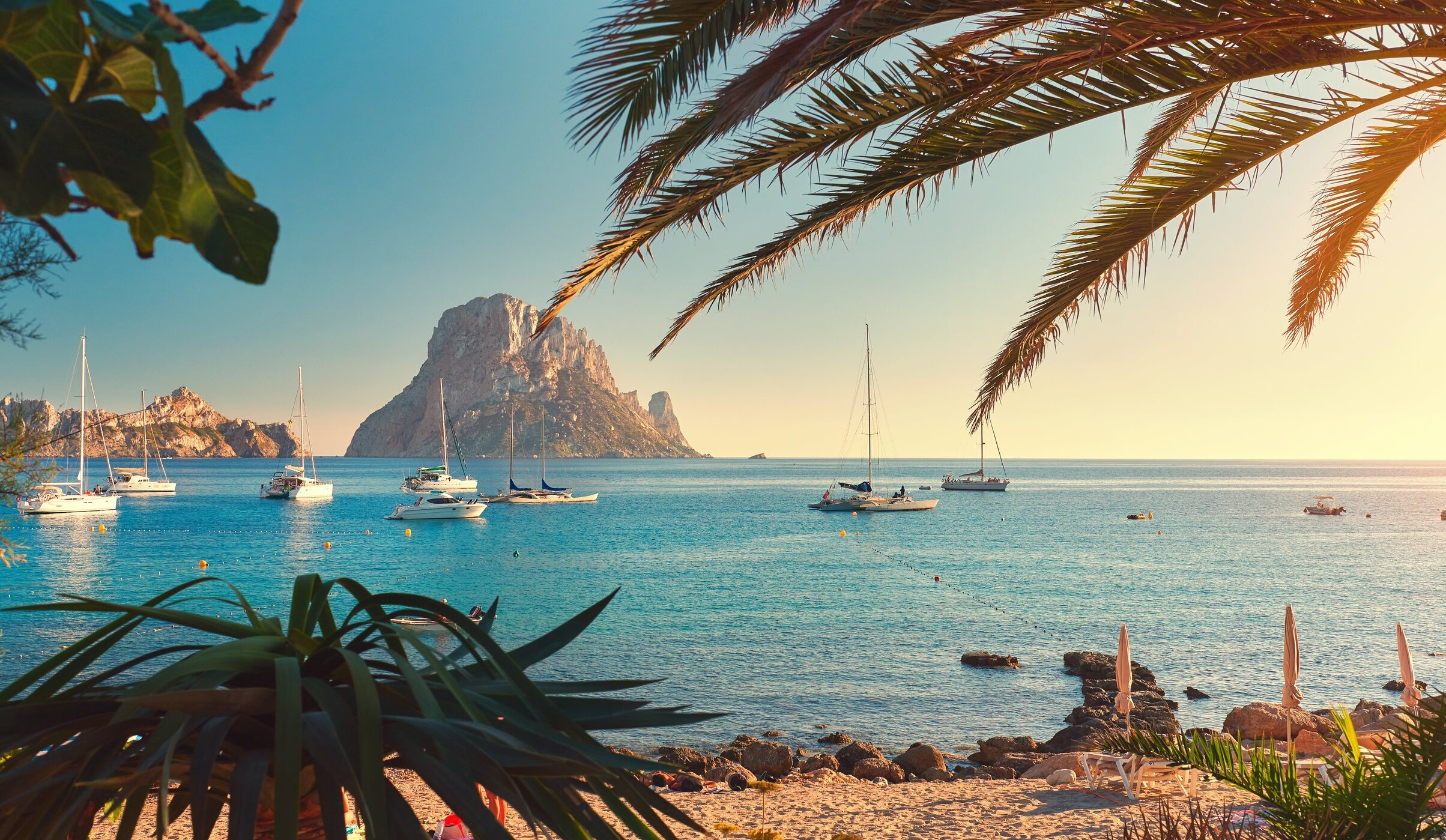
Ibiza is an island situated in the Mediterranean Sea; politically it belongs to Spain and with Formentera it is one of the two Pitiuse islands. Its main cities are: Ibiza, Santa Eulària des Riu and Sant Antoni de Portmany. In 654 BC Phoenician settlers founded a port in the Balea...

Photo · Monica M.

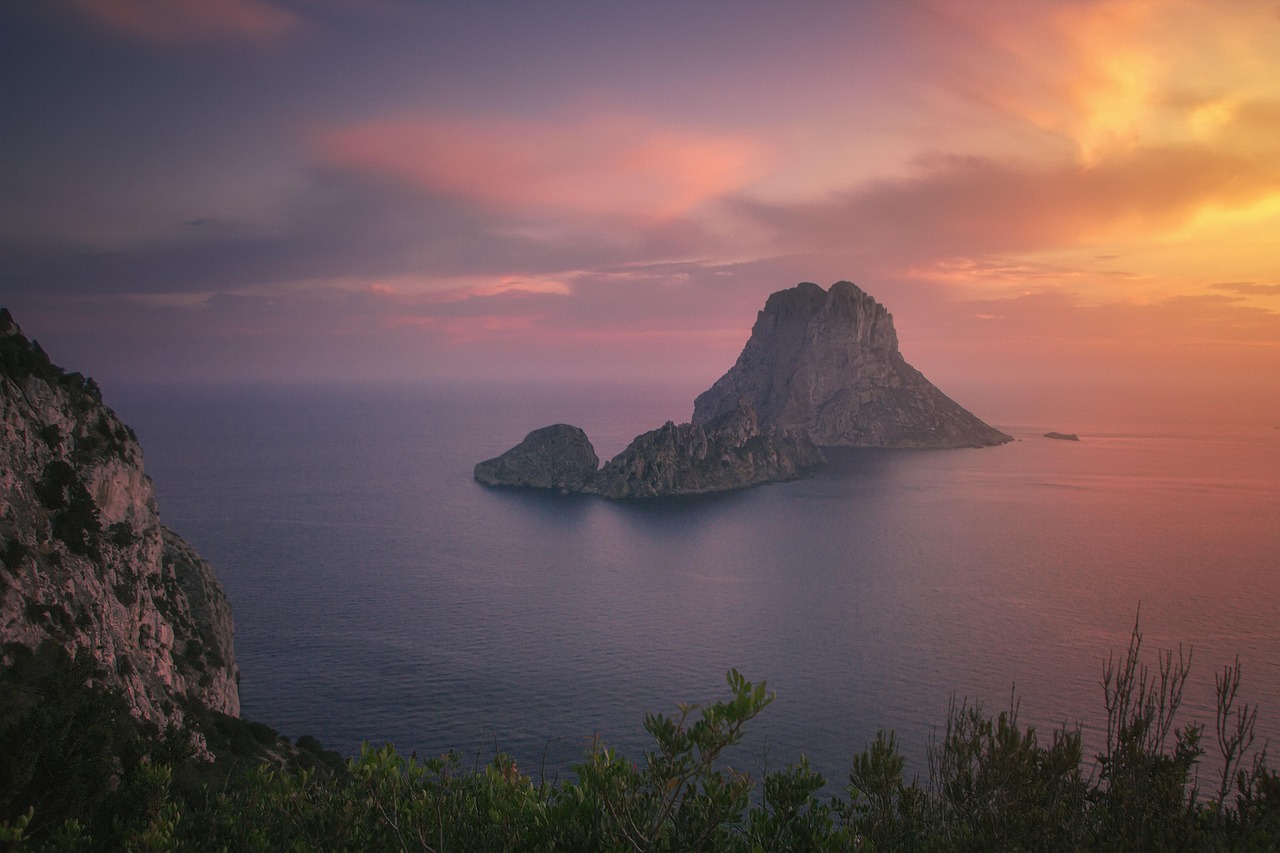
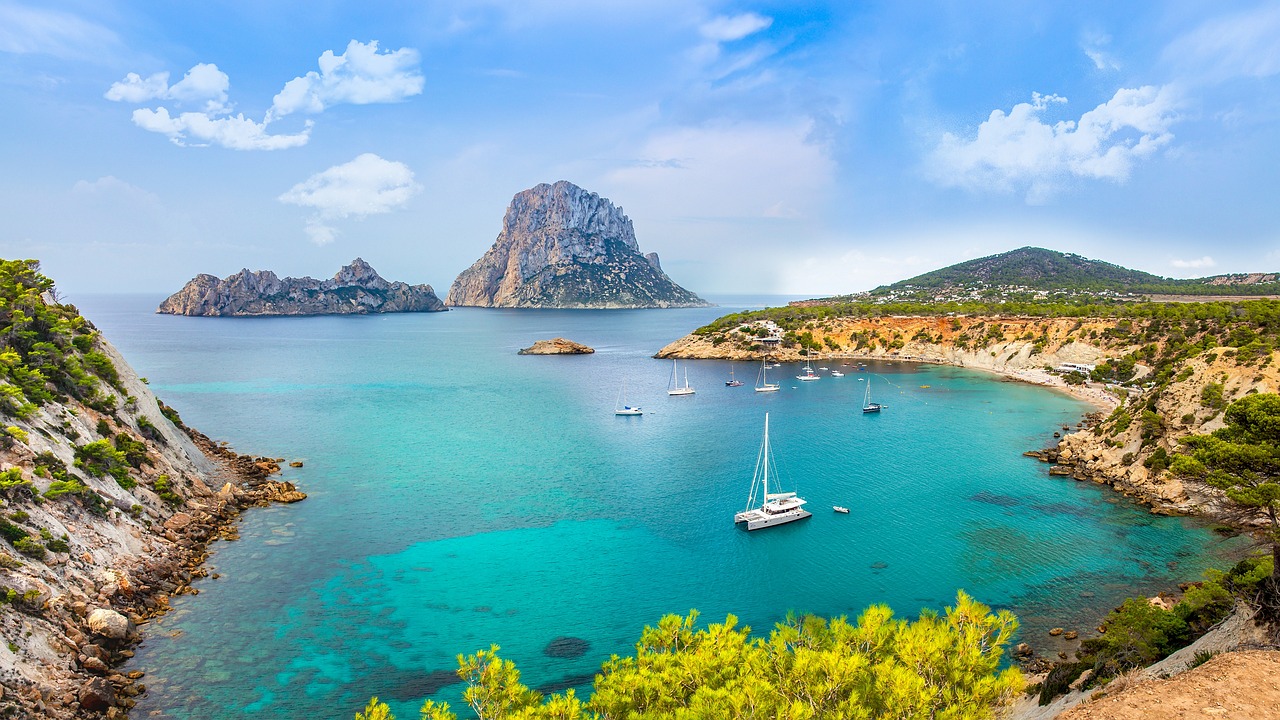
Ibiza — Ivissa, Spain.

Location
Ivissa
Type
Seaside
Opening hours
Weather now
↗ Directions

About Ibiza

Ibiza - Ivissa | Secret World Trip Planner

Ibiza is an island situated in the Mediterranean Sea; politically it belongs to Spain and with Formentera it is one of the two Pitiuse islands. Its main cities are: Ibiza, Santa Eulària des Riu and Sant Antoni de Portmany. In 654 BC Phoenician settlers founded a port in the Balearic Islands, calling it Ibossim. It became known among the Romans (who called it Ebusus) for its wine, marble and lead. The Greeks, who arrived in Ibiza during the time of the Phoenicians, were the first to name the two islands of Ibiza and Formentera Πιτυοῦσσαι (Pityûssai, " islands covered with pine trees"). With the decline of the Phoenicians after the Assyrian invasions, Ibiza came under the protection of Carthage. The island produced dye, salt, fish sauce (garum) and wool. A temple for offerings to the goddess Tanit was erected in the cave of Es Cuyram, and the rest of the Balearic Islands entered the commercial orbit of Eivissa after 400 BC. Ibiza became a remarkable centre of trade along the Mediterranean routes. Iberia began to establish its commercial stations in nearby Majorca, from where Carthage recruited large numbers of the famous Balearic warriors as mercenaries for the many wars it fought. During the Second Punic War the island was attacked by the two Scipioni brothers (Publius, father of the African, and Gnaeus Cornelius) in 209 B.C. but remained loyal to Carthage. Having exhausted the Carthaginian military fortune on the Iberian continent, Ibiza was used by the Carthaginian general Mago to gather supplies and men before sailing to Menorca and then to Liguria. Ibiza managed to negotiate a favourable treaty with the Romans, who spared it further destruction and allowed it to survive with its Punic-Carthaginian institutions until the days of the Empire, when it officially became a Roman municipality. This survival made Ibiza an excellent place to study the Punic-Carthaginian civilization to this day, but it turned the island into a sleepy imperial outpost as it became more detached from the important trade routes of the time. The island was conquered by James I of Aragon in 1235. During the Francoist period, the island became interested in a nationalist system that was dependent on Spain. Various defence fortifications were built against the French and English in order to avoid an invasion in case Spain entered the war next to the axis.
Ibiza - Ivissa | Secret World Trip Planner
✦ Secret World · suggested day

A perfect day in Ivissa

Start with Ibiza, then continue with nearby places selected by Secret World.

  1. 01
    Morning
    Ibiza
    📍 Ivissa
    Start here
  2. 02
    Afternoon
    📍 1.1 km away
  3. 03
    Evening
    📍 19.9 km away

Collect this place

Turn places you discover into stamps in your Secret Passport.

Open Secret Passport →

Keep exploring · Ivissa

Frequently Asked Questions

Ibiza has a rich Mediterranean history dating back to 654 BC when Phoenician settlers founded a port called Ibossim. The island later became a major trading center under Carthaginian rule, producing dye, salt, fish sauce, and wool, and eventually negotiated favorable terms with the Romans, allowing it to preserve its Punic-Carthaginian institutions and remain an excellent place to study this ancient civilization today.
The Greeks were the first to name Ibiza and Formentera the Πιτυοῦσσαι (Pityûssai), which translates to 'islands covered with pine trees,' a name that reflects the islands' distinctive natural vegetation and landscape that has defined the region since ancient times.
The three main cities in Ibiza are Ibiza (the capital), Santa Eulària des Riu, and Sant Antoni de Portmany, each offering different attractions and experiences across the island's Mediterranean coastline.
The cave of Es Cuyram is a must-see, as it contains a temple dedicated to offerings for the goddess Tanit, representing Ibiza's important Punic-Carthaginian heritage. The island's Roman municipality ruins and preserved Carthaginian institutions also provide fascinating insights into its multi-layered ancient history.
Ibiza was successively ruled by the Phoenicians (654 BC), Greeks, Carthaginians, and finally the Romans, who attacked the island during the Second Punic War in 209 BC but eventually granted it favorable treaty terms and allowed it to maintain its Punic institutions under Roman governance.

Experiences nearby · Ivissa

Powered by Viator

See more on Viator.com

Secret World Hidden places, real stories — plan your trip
Get the app
