
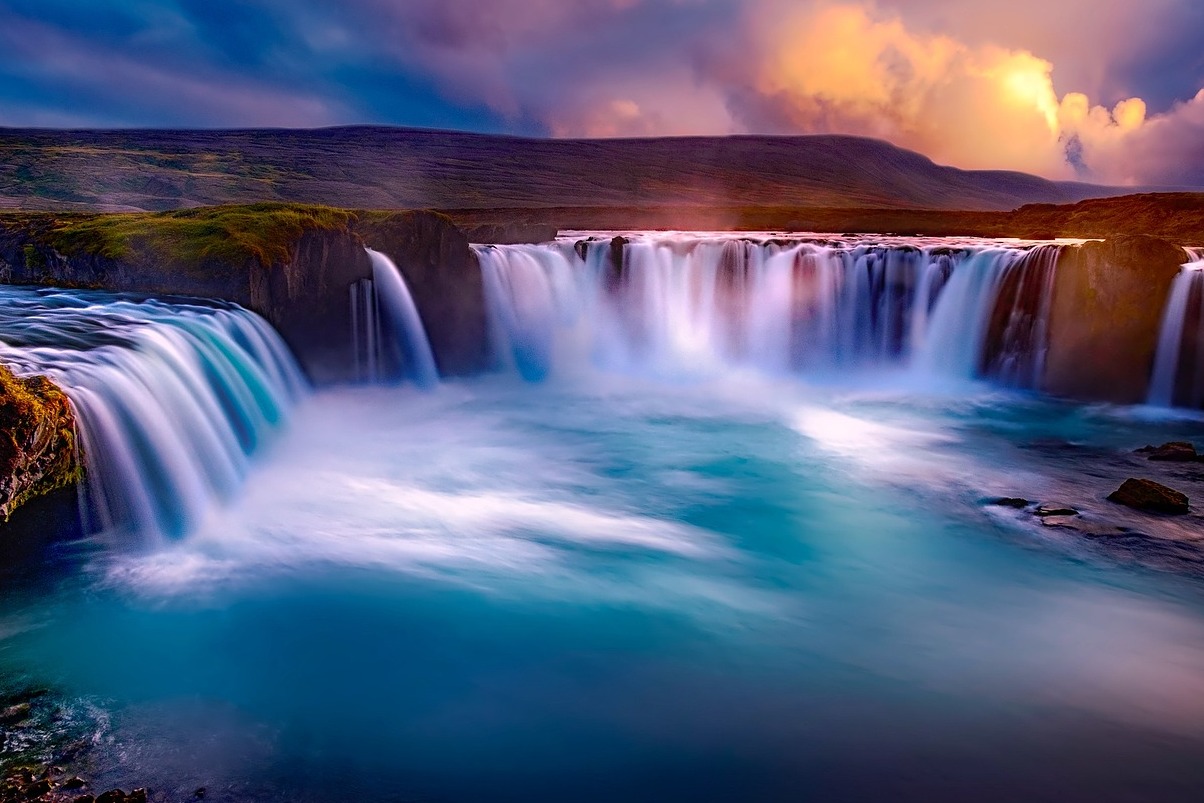
The breathtaking Godafoss waterfall stands as one of Iceland's most stunning natural wonders, captivating visitors with its majestic beauty and rich historical significance. Located in the Skjálfandafljót river in the Borgardalur district of Northern Iceland, Godafoss, or the ‘Waterfall of the Gods’, has a height of 12 meters and a width of 30 meters, displaying an incredible horseshoe shape that draws travelers from around the world.
### History and Origins
The history of Godafoss is steeped in Icelandic mythology and early Christian traditions. According to legend, in the year 1000 AD, when Þorgeir Ljósvetningagoði, the law speaker of the Althing, converted to Christianity, he threw his pagan idols into the waterfall as a symbolic act of embracing the new faith. This pivotal moment marked a significant transition in Icelandic culture, as it signified the gradual shift from paganism to Christianity in a land rich with Norse mythology and traditions.
Over centuries, Godafoss has not only been a natural landmark but also a place of spiritual significance for many Icelanders. The surrounding landscapes, characterized by lava fields and rugged terrain, enhance the awe-inspiring experience of witnessing this powerful cascade of water.
### Art and Architecture
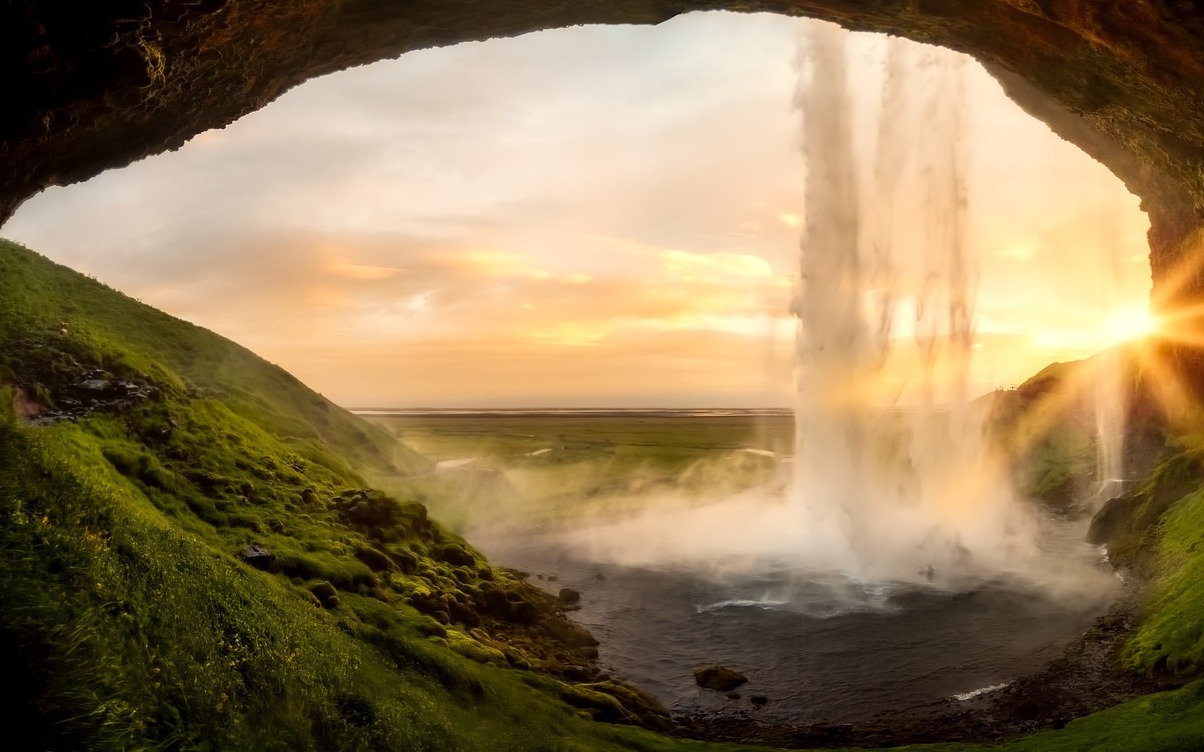
While Godafoss is primarily a natural wonder, its beauty has inspired numerous artists and photographers. The surrounding areas showcase the raw beauty of Icelandic nature, with contrasting landscapes that depict the dynamic forces of nature. Visitors often capture stunning photographs during different times of the day, where the waterfall is illuminated by the golden hues of sunrise or the vibrant colors of sunset.
There are no man-made structures at Godafoss that overshadow its natural beauty; however, the nearby visitor center offers educational displays that delve into the waterfall's geological and cultural significance. This blend of nature and education creates a unique atmosphere that enriches the visitor experience.
### Local Culture and Traditions
The culture of Northern Iceland is deeply connected to its natural environment. Local customs often celebrate the myths and legends surrounding natural landmarks like Godafoss. Festivals throughout the year pay homage to the changing seasons, with Þjóðhátíð, or the National Festival, being one of the most significant. This festival highlights the strong sense of community and connection to Iceland's heritage.
In addition to traditional celebrations, the folklore surrounding Godafoss includes tales of elves and hidden people, integral parts of Icelandic culture. The reverence for nature is reflected in the way locals view the waterfall—as not just a beautiful sight but a symbol of spiritual and environmental significance.
### Gastronomy
Visitors to Godafoss can enjoy the local cuisine that reflects the rich agricultural heritage of Iceland. Traditional dishes often feature fresh seafood, lamb, and dairy products. A must-try is plokkfiskur, a hearty fish stew made with cod or haddock, potatoes, and a creamy sauce, perfect for warming up after a day of exploring.
For those with a sweet tooth, skyr is an iconic Icelandic dairy product that resembles yogurt and comes in various flavors. Pair it with local berries for a delightful treat. Additionally, don’t miss out on kleina, a traditional Icelandic pastry that is deep-fried and dusted with sugar, offering a sweet taste of Icelandic culture.
### Lesser-known Curiosities
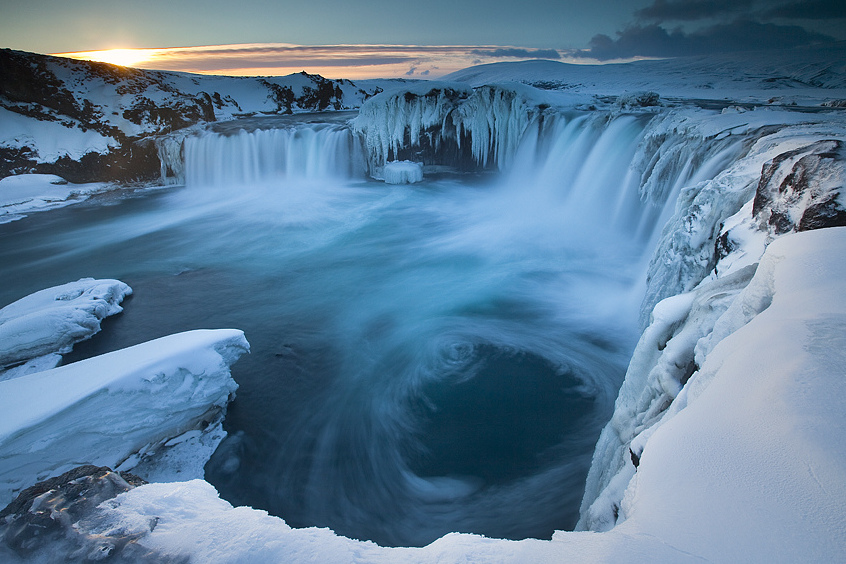
While many visitors flock to Godafoss for its breathtaking views, there are lesser-known aspects that add to its charm. One interesting tidbit is the phenomenon of winter ice formations, where the waterfall freezes partially, creating a glittering spectacle that is both haunting and beautiful. This transformation offers a completely different perspective compared to the lush summer months.
Another curious fact is that Godafoss is part of the Diamond Circle, a popular tourist route that also includes the stunning Lake Mývatn and the Dettifoss waterfall. This route allows visitors to explore multiple natural wonders in a single trip, enhancing the overall experience of Iceland's stunning landscapes.
### Practical Visitor Information
The best time to visit Godafoss is during the late spring and early autumn months, from May to September, when the weather is milder and the days are longer. For those seeking a winter wonderland experience, visiting between November and February offers a chance to see the waterfall against a backdrop of snow and ice.
When planning your visit, consider arriving early in the morning or later in the evening to avoid crowds and enjoy the tranquility of the site. Bring a camera, as the views from various vantage points around the waterfall provide stunning photo opportunities. Also, dress in layers and be prepared for changing weather conditions, as Iceland's climate can be unpredictable.
In conclusion, Godafoss waterfall is not just a visual feast but a place steeped in history, culture, and local traditions. To make the most of your visit, consider using the Secret World app to create a personalized itinerary that includes this breathtaking natural wonder and other hidden gems in Iceland.