


Nestled in the heart of Milan, Il Cimitero Monumentale di Milano stands as a testament to both the city's illustrious past and its artistic aspirations. This monumental cemetery, spanning over 250,000 square meters, offers a captivating journey through history, art, and culture—a place where the living and the deceased coexist in a tangible narrative of time.
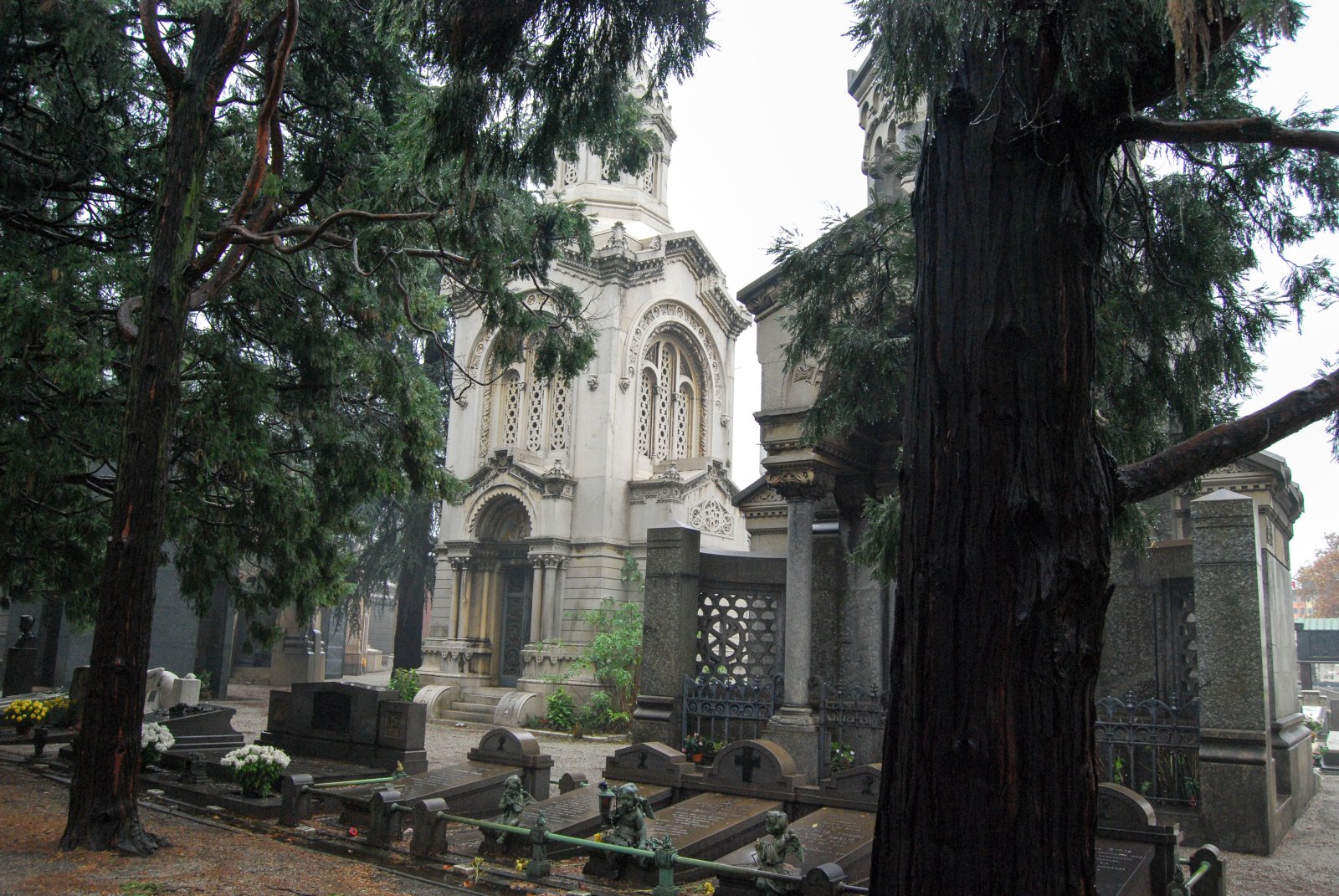
History and Origins Constructed between 1864 and 1866, the cemetery was the brainchild of the renowned architect Carlo Maciachini. His vision diverged from the neoclassical trends of the era, opting instead for a fusion of Gothic, Romanesque, and Byzantine elements. This eclectic approach was groundbreaking at the time, providing a canvas where Milanese history and identity could be etched in stone. The cemetery was created to consolidate smaller, scattered burial grounds, reflecting a growing need for a dignified resting place for the city’s elite.
Art and Architecture Maciachini's masterpiece is undoubtedly the Famedio, a grand memorial chapel that greets visitors with its striking rosoni and Gothic spires reminiscent of Milan's iconic Duomo. Here lie the remains of luminaries such as Alessandro Manzoni, whose resting place is a pilgrimage site for literature enthusiasts. The cemetery is dotted with ornate tombs and mausoleums, each an artistic marvel. Among the most notable are the Campari family tomb, a towering pyramid, and the Bernocchi family's Art Deco masterpiece, showcasing Milan's industrial heritage.

Local Culture and Traditions Il Cimitero Monumentale is more than a cemetery; it is a cultural institution. It hosts numerous events, such as guided tours and special exhibitions, which delve into the lives of the figures interred here. On All Souls' Day (Giorno dei Morti), the cemetery becomes a focal point for remembrance, as locals visit the graves of loved ones, leaving flowers and candles—a tradition steeped in respect and reflection.
Gastronomy While the cemetery itself does not offer culinary experiences, nearby Milan is a gastronomic haven. Sample local delights such as risotto alla milanese, a creamy saffron-infused rice dish, and the ubiquitous panettone, a sweet bread loaf that originated in the city. Pair these with a glass of Barolo or Franciacorta for a true taste of Milanese flavors.
Lesser-Known Curiosities Amid the grand monuments, lesser-known stories abound. Discover the Tomb of the Unknown, a poignant tribute to unidentified soldiers from World War I. Another hidden gem is the sculpture of a weeping angel, tucked away in a quiet corner, often overlooked by hurried visitors. These elements add layers of intrigue and mystery to the cemetery's narrative.
Practical Visitor Information The best time to visit is during late spring or early autumn when the weather is mild and the grounds are lush with greenery. Allocate at least two hours to fully appreciate the art and history on display. Wear comfortable shoes as you'll be navigating both paved paths and grassy areas. Don't miss the small museum at the entrance, which offers insights into the cemetery's history and the notable figures interred within.
For a truly personalized journey through Milano, consider using the Secret World app to craft an itinerary that uncovers the city's hidden gems and storied past.


