


A rickety motorboat takes about forty minutes to cover the eleven kilometers that separate Les Cayes from Île-à-Vache. During the crossing, the southern Caribbean Sea changes color three times: from the dark green of the port, to the open turquoise, until the almost transparent blue that announces the coral reef surrounding the island. It is at that moment, when the low green profile of the island stands out against the sky, that one realizes they are arriving in a place that mass tourism has not yet reached.

Île-à-Vache — literally Cow Island in Haitian Creole — spans about 52 square kilometers in the Sud department of Haiti. The island has a population of a few thousand residents distributed in small fishing villages, where colorful wooden houses face directly onto the beach and the pirogues are pulled ashore every evening. There are no traffic lights, there are no paved roads, there are no supermarkets. What exists is one of the best-preserved coastal ecosystems in the entire Caribbean Sea.
A story that dates back to the pirates of the 17th century

The island is not unfamiliar with history. In the 17th century, Île-à-Vache was used as an operational base by the famous Welsh buccaneer Henry Morgan, who chose it for its strategic location and the sheltered waters of its lagoons, ideal for repairing ships before raids. Even today, sailing along the southern coast, one can see rock formations that locals point out as places where ships were beached for hull maintenance.
In the 19th century, the island was at the center of a controversial project for African American colonization promoted during the presidency of Abraham Lincoln in 1863: about 453 freed African Americans were transported to the island with the promise of land and autonomy. The project tragically failed due to disease and disorganization, and the survivors were returned to the United States the following year. A little-known story that adds layers of meaning to this piece of Caribbean land.
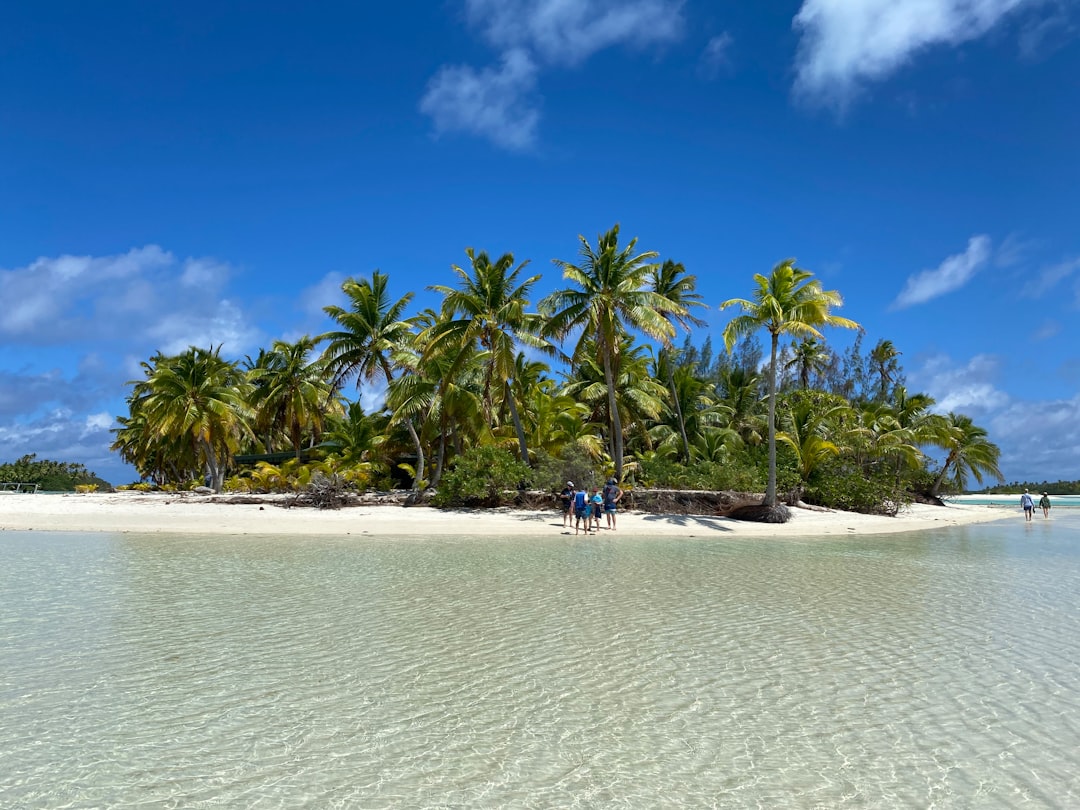
The coral reefs and lagoons: what to see underwater
The main reason why the few travelers who come here return home with their eyes still wide open is the reef. The waters around the island host coral reefs in a significantly better state of health compared to the Caribbean average, partly because the absence of tourist infrastructure has limited human pressure. Those who go snorkeling in the waters in front of Kay Cok can observe branching corals, parrotfish, barracuda, and, with a bit of luck, green sea turtles that frequent these waters to lay their eggs.
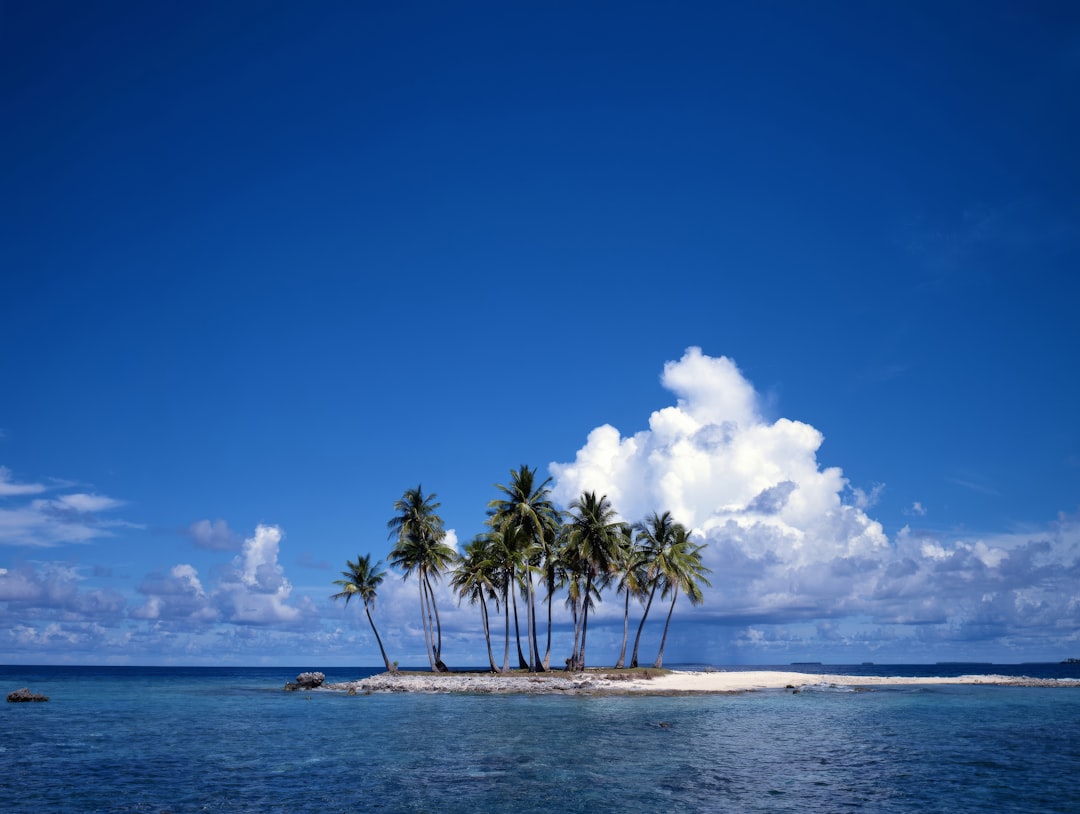
The internal lagoons, separated from the reef by strips of white sand, reach a maximum depth of a few meters and offer exceptional visibility. The water is so still and clear that sea urchins can be seen on the bottom even from the boat's edge. There are no organized diving centers on the island: those who want to dive must bring their own equipment or rely on the rare operators that depart from Les Cayes.
Life in the Villages: An Economy Still Linked to the Sea
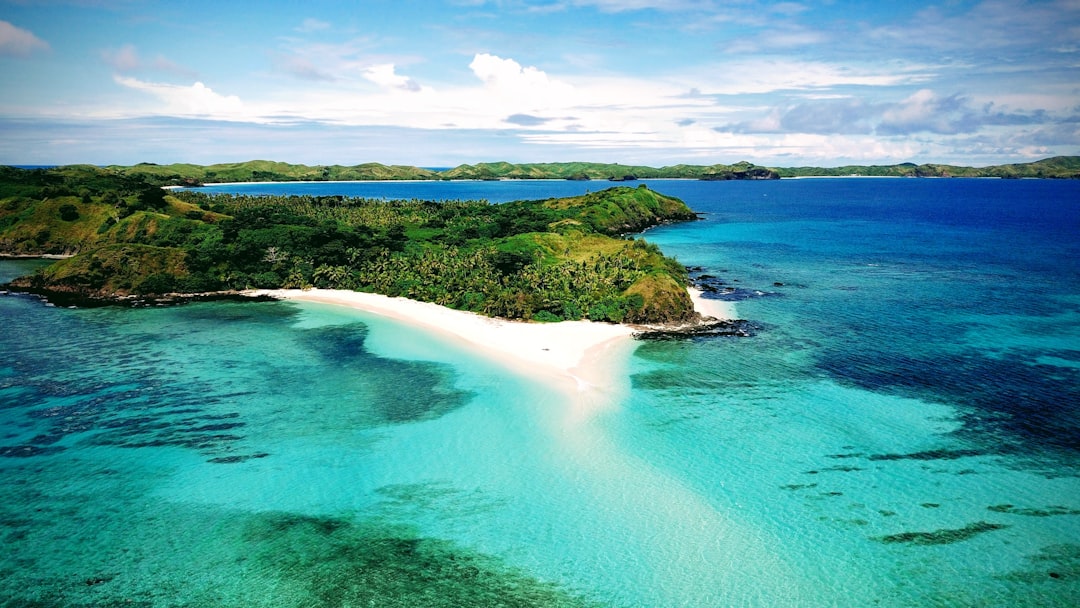
The villages of the island — among which Madame Bernard is the most populated — primarily rely on artisanal fishing. At dawn, when the pirogues head out in a line towards the open sea, the island comes alive with the sound of oars and outboard motors, which is the daily soundtrack of this community. The fish is sold fresh on the beach or cooked by the village women on simple wood stoves. A meal of grilled fish with rice and black beans — the riz et pois, a staple dish of Haitian cuisine — costs a few dollars and is often served under a palm thatch.
There are no hotels in the conventional sense, but some families rent out rooms or small houses. One of the few structured accommodations is a small ecolodge that has hosted volunteers and researchers over the years. It is strongly recommended to bring a mosquito net, as well as a supply of cash in Haitian gourdes, since electronic payments are practically nonexistent.
How to get there and when to go
The mandatory starting point is Les Cayes, reachable by plane from Port-au-Prince with domestic flights operated by local companies, or by land in about three hours by road. From the port of Les Cayes, local boats depart for the island several times a day in the morning hours: the advice is to leave by 8 in the morning to avoid the afternoon wind that can make the crossing more choppy. The best time to visit the island is from November to April, when the rains are less frequent and the sea is generally calmer. During the hurricane season, from June to October, the island can be difficult to reach for entire days. Those arriving with expectations of comfort will find difficulties; those seeking authentic isolation will find exactly what they were looking for.


