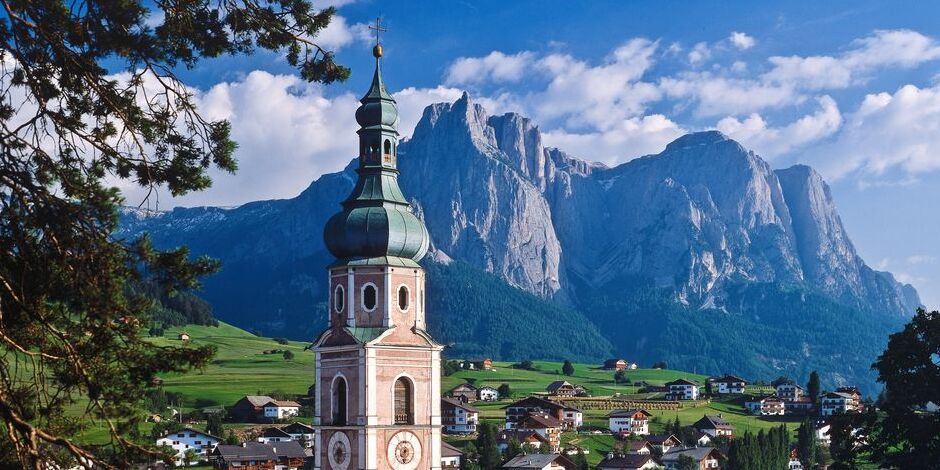

Nestled in the Alpe di Siusi, Castelrotto is a captivating South Tyrolean village that whispers tales of its rich history amidst stunning landscapes. With its medieval charm, vibrant traditions, and breathtaking natural surroundings, Castelrotto has gained recognition as one of the most beautiful villages in Italy since its designation in 2018.
### History and Origins
The origins of Castelrotto can be traced back to the Middle Ages, with historical records indicating that the area was settled as early as the 12th century. The village's name is derived from the German word "Castel," meaning castle, and "Rotto," or broken, potentially referring to the ruins of the ancient fortress, Castelvecchio, perched high on Punta Santner at 1,273 meters. This fortress, built in the 12th century, was a strategic point for the control of trade routes in the region.
Throughout its history, Castelrotto has been influenced by various cultures, primarily due to its location at the intersection of Italian and German-speaking territories. By the late 19th century, the village became a popular destination for tourists, thanks in part to the breathtaking Dolomite landscapes and the expansion of mountain tourism. The blend of Italian and Germanic influences is evident in the local architecture, customs, and the language, as Ladin, a Romance language, is still spoken here.
### Art and Architecture
The architectural landscape of Castelrotto is a tapestry of styles that reflect its historical evolution. Dominating the village is the Church of Saints Peter and Paul, a stunning example of neoclassical architecture. This church is not only a place of worship but also a repository of art, housing exquisite frescoes that narrate biblical stories.
Wandering through the cobblestone streets, visitors can admire the whimsical baroque bell tower, which invites you to climb its steps for panoramic views of the village and surrounding mountains. Many buildings in the old town are adorned with colorful frescoes, showcasing the artistic heritage of the region. The blend of architectural styles creates a unique atmosphere that transports visitors back in time.
### Local Culture and Traditions
The culture of Castelrotto is steeped in tradition, reflecting the village's unique identity shaped by both Italian and Ladin influences. One of the most vibrant celebrations is the annual Alpe di Siusi Festival, held in July, where locals and visitors come together to celebrate with music, dance, and traditional costumes. The festival offers a glimpse into the rich cultural fabric of the village, featuring performances that showcase Ladin folklore.
Additionally, the Christmas market in the central square transforms Castelrotto into a winter wonderland, where the aroma of mulled wine and roasted chestnuts fills the air. Local artisans display handcrafted goods, and traditional music echoes through the streets, bringing the community together in a festive spirit.
### Gastronomy
No visit to Castelrotto would be complete without indulging in its distinct gastronomy. The village is known for its hearty Tyrolean dishes, featuring ingredients sourced from the surrounding mountains. Speck, a cured ham seasoned with herbs, is a local favorite and often served with bread and pickles. Another must-try is canederli, or bread dumplings, typically made with stale bread, speck, and herbs, served in broth or with melted butter.
For those with a sweet tooth, the Strudel is a delightful treat that showcases the region’s culinary heritage. Made with thin pastry filled with apples, cinnamon, and raisins, it embodies the flavors of the Alps. Pair these dishes with a glass of Südtirol wine, particularly the aromatic Gewürztraminer, to complete your gastronomic experience.
### Lesser-known Curiosities
While Castelrotto is famous for its picturesque landscapes and historical architecture, it also harbors lesser-known curiosities. For instance, the village is home to a unique Ladin dialect, which has been preserved for centuries and is still taught in local schools. This linguistic heritage is a testament to the resilience of the Ladin culture amidst changing political landscapes.
Another hidden gem is the Erdpyramiden, or earth pyramids, located just outside the village. These fascinating natural formations are created through erosion and offer stunning hiking opportunities with breathtaking views.
### Practical Visitor Information
The best time to visit Castelrotto is during the spring and autumn months when the weather is mild, and the landscape is adorned with blooming flowers or vibrant autumn colors. However, winter offers a magical charm as the village transforms into a snow-covered paradise, ideal for skiing and winter sports.
When exploring, take the time to wander through the narrow alleys, visit local artisan shops, and interact with the friendly residents who are eager to share their stories. Don’t miss the chance to climb the bell tower for a breathtaking view of the Sciliar Natural Park, and make sure to indulge in the local cuisine at one of the charming restaurants.
As you plan your visit to this enchanting village, consider using the Secret World app to create a personalized itinerary that will help you uncover the hidden treasures of Castelrotto.