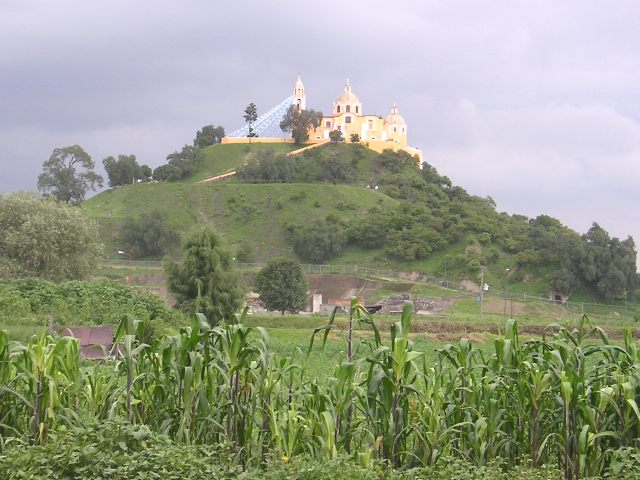
In the heart of Mexico, where the echoes of ancient civilizations linger in the air, the Pyramid of Cholula stands as a monumental testament to the ingenuity and devotion of the peoples who once thrived here. This magnificent structure, with its massive dimensions, captivates visitors not only for its size but for the mysteries that lie within its depths.
### History and Origins
The history of the Pyramid of Cholula dates back to the 3rd century BC, making it one of the oldest religious sites in the Americas. Initially built by the Toltecs, the pyramid was dedicated to Quetzalcoatl, the feathered serpent deity revered across Mesoamerica. The site saw continuous renovations and expansions over several centuries, with the final additions made by the Tlaxcalans in the post-classic period.
Key historical events include the Spanish conquest in the 16th century, which dramatically altered the cultural landscape of Cholula. The Spanish, under Hernán Cortés, destroyed many indigenous temples and built a church atop the pyramid. This church, Nuestra Señora de los Remedios, constructed in 1594, symbolizes the fusion of indigenous and colonial cultures, an enduring narrative of resilience and adaptation.
### Art and Architecture
The architectural style of the Pyramid of Cholula is a stunning example of Teotihuacan influence, characterized by its terraced levels and extensive use of adobe. Measuring 450 meters on each side and standing 66 meters tall, it surpasses the volume of the Great Pyramid of Giza, making it the largest pyramid in the world by volume.
Noteworthy are the vibrant murals and intricate carvings found within the pyramid’s tunnels. While only one level has been thoroughly explored, archaeologists have unearthed approximately eight kilometers of tunnels, revealing a network that speaks to the sophisticated engineering skills of its builders. The art within these tunnels, though largely undiscovered, hints at a rich tapestry of religious and cultural significance that defined the lives of the Cholulteca people.
### Local Culture and Traditions
The local culture of San Andrés Cholula is a vibrant mix of ancient traditions and modern life. The Festival of the Chalchiuhtlicue, dedicated to the water goddess, sees local families gather for colorful processions and traditional dances, celebrating the life-giving waters that sustain their agriculture.
In addition, the church of Nuestra Señora de los Remedios hosts a popular pilgrimage, particularly during the first week of September, where thousands of devotees ascend the pyramid to pay homage, creating a lively atmosphere filled with music, prayer, and community bonding. This annual event is a beautiful reflection of the enduring spiritual connection the people have with their history.
### Gastronomy
No visit to Cholula would be complete without indulging in the local gastronomy. The region is famed for its mole poblano, a rich sauce made from a blend of spices, chocolate, and chili. It is often served over turkey or chicken, showcasing the area's culinary heritage.
Additionally, tacos de carnitas and tlacoyos—thick corn tortillas filled with beans or cheese—are popular street foods that offer a taste of everyday life in Cholula. The local markets, such as Mercado de Cholula, are a feast for the senses, where visitors can sample fresh produce, artisanal cheeses, and the beloved pulque, a traditional alcoholic beverage made from fermented agave.
### Lesser-known Curiosities
While many visitors marvel at the pyramid’s grandeur, several lesser-known curiosities await discovery. For instance, the Pyramid of Cholula is not a single structure but rather a series of superimposed layers, each representing a different era and culture. The original structure was covered and integrated into the landscape, with only its summit revealing the true scale of its construction.
Another surprising fact is the local legend of La Llorona, the Weeping Woman, who is said to roam the area, mourning her lost children. This haunting tale blends with the rich tapestry of Cholula’s history, captivating visitors and locals alike.
### Practical Visitor Information
To fully appreciate the Pyramid of Cholula, the best time to visit is during the dry season, from October to April. The climate is pleasantly warm, ideal for exploring the archaeological site and the surrounding town. Visitors should wear comfortable shoes, as exploring the pyramid and its surrounding areas involves some walking and climbing.
Don't miss the panoramic views from the top of the pyramid, where you can see the majestic Popocatépetl volcano in the distance, a sight that adds to the enchanting allure of this ancient site. Be sure to visit the nearby archaeological museum for deeper insights into the history and culture that shaped Cholula.
Whether you're wandering through the quiet tunnels of the pyramid or savoring local delicacies, the Pyramid of Cholula offers a profound connection to a past filled with mystery and reverence. To enhance your journey, consider using the Secret World app to craft a personalized itinerary for your visit to San Andrés Cholula.
