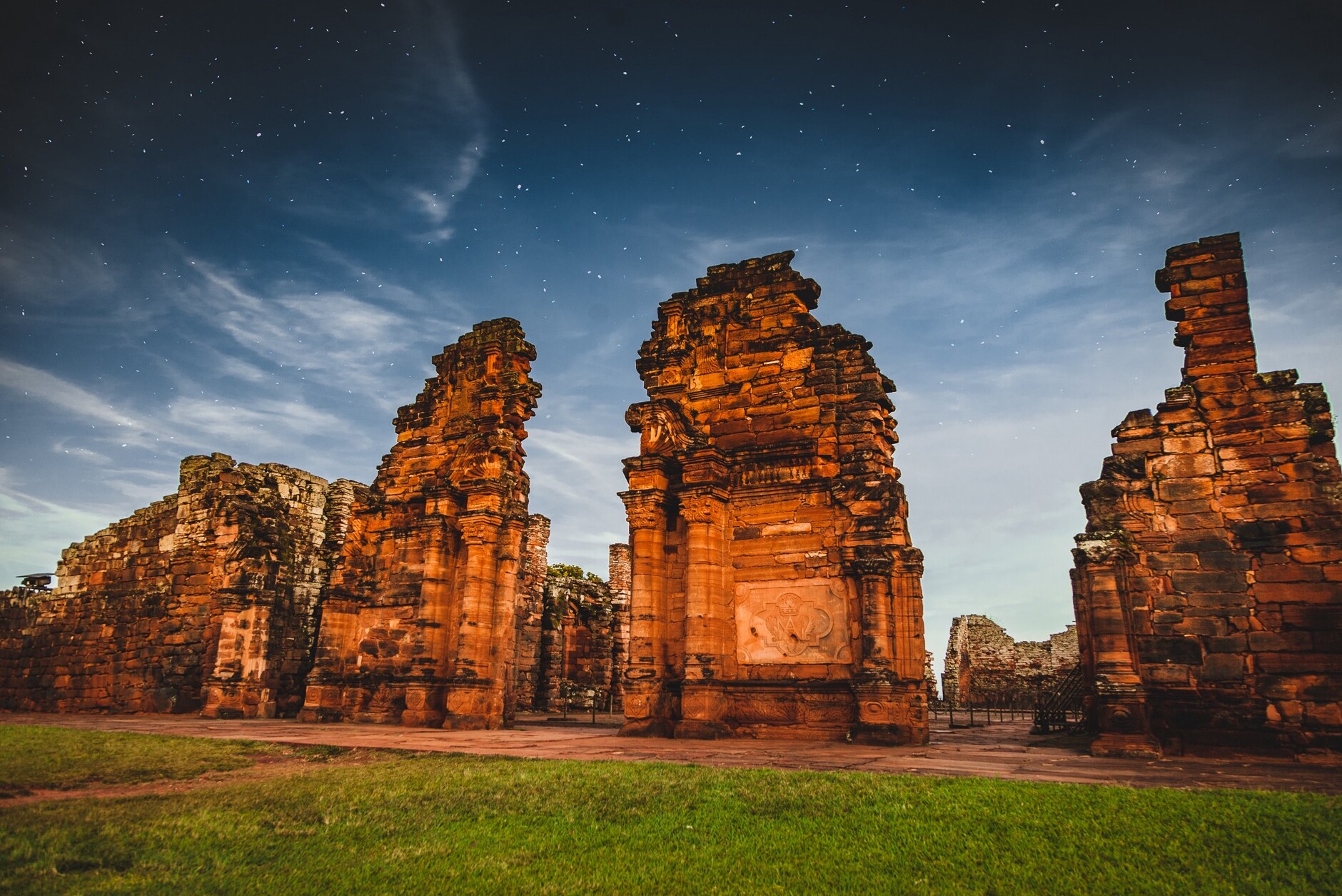

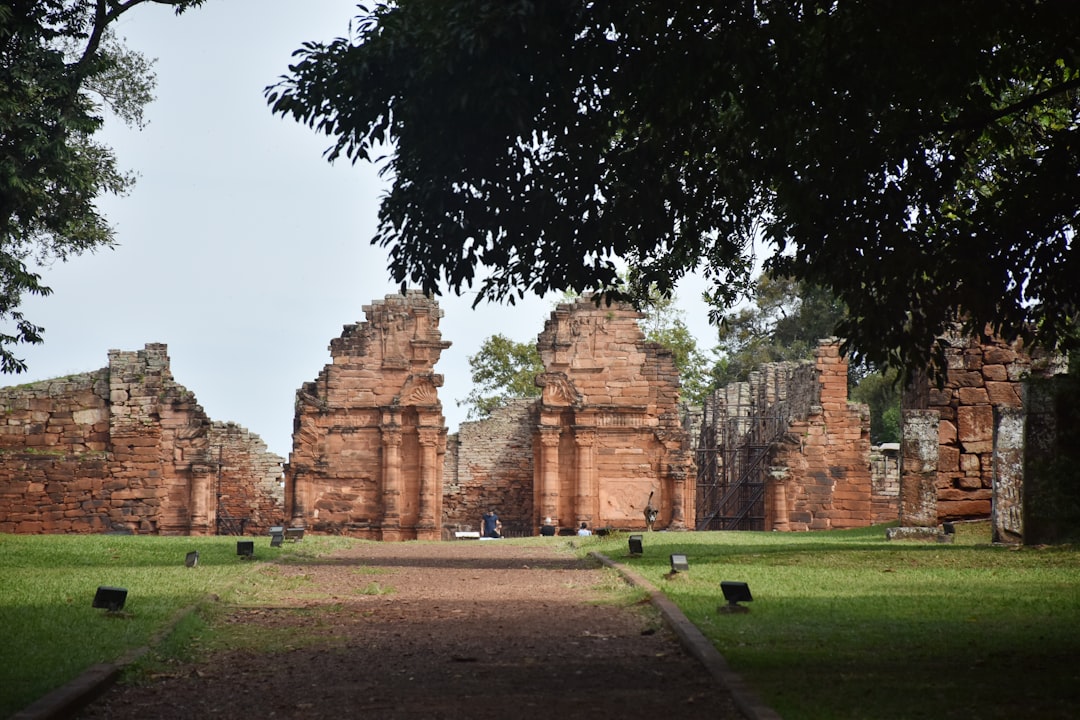
In the heart of the Argentine rainforest, the ruins of San Ignacio Miní whisper stories of a bygone era. Founded in 1632, this seventeenth-century Jesuit mission complex was part of a network of reducciones established to evangelize the indigenous Guaraní people. These missions, designed not just as religious outposts but as thriving communities, played a crucial role in the cultural exchange between European settlers and indigenous populations.
The site is located near the San Ignacio valley, approximately 60 km north of Posadas in the Misiones Province. In 1984, it was recognized by UNESCO as a World Heritage Site, a testament to its historical and architectural significance.
### History and Origins The origins of San Ignacio Miní can be traced back to the early 17th century, when the Jesuit order sought to spread Christianity across South America. The mission was established under the leadership of Father Juan de Boroa, who recognized the potential of the Guaraní tribes to convert and sustain a Christian community. The mission faced numerous challenges, including conflicts with local tribes and colonial authorities, yet it thrived for over a century, becoming a cultural and economic hub.
In the late 18th century, the political landscape shifted dramatically. The Spanish crown expelled the Jesuits from their territories in 1767, leading to a decline in the mission's influence. After their departure, the ruins of San Ignacio Miní were gradually reclaimed by the jungle, a fate that preserved many of its structures until their rediscovery in the 19th century.
### Art and Architecture The architecture of San Ignacio Miní is an exquisite blend of baroque and native styles, characterized by its use of local materials and artistic craftsmanship. The most striking feature is the stone church, which stands as a testament to the skill of the indigenous builders who worked alongside Jesuit missionaries. The church's ornate altarpiece, carved from local wood, displays intricate details that reflect both Christian iconography and indigenous artistry.
Notable artworks within the ruins include statues of saints and frescoes, which depict biblical scenes intertwined with elements of Guaraní culture. The blending of artistic traditions serves as a physical representation of the cultural synthesis that took place in the mission.
### Local Culture and Traditions The local culture surrounding San Ignacio Miní is deeply rooted in its Jesuit past. Each year, the community celebrates the Fiesta Nacional de la Yerba Mate, a festival honoring the traditional drink made from the leaves of the yerba mate plant. The festival features music, dance, and, of course, plenty of mate for visitors and locals alike.
Additionally, the Guaraní legacy persists in local customs, language, and traditions. Visitors to San Ignacio can experience traditional dance performances and storytelling sessions that honor the history and culture of the Guaraní people.
### Gastronomy The gastronomy of the region is as vibrant and varied as its culture. Traditional dishes often incorporate local ingredients, showcasing the flavors of the rainforest. A must-try is locro, a hearty stew made with corn, beans, and meat, often enjoyed during celebrations and festivals. Another local delicacy is pira caldo, a fish soup that highlights the bounty of the nearby rivers.
For those looking to indulge in sweeter treats, tortas fritas, fried pastries often enjoyed with mate, provide a delightful snack. The region is also known for its production of yerba mate, which is an integral part of daily life for many locals.
### Lesser-known Curiosities While many tourists flock to the main ruins, some hidden details often go unnoticed. For instance, the surrounding rainforest is home to a variety of flora and fauna, including endangered species. Birdwatchers can spot the rare hyacinth macaw, while nature lovers can explore the trails that weave through the lush greenery.
Additionally, local legends speak of the spiritual significance of the site, with tales of the spirits of the Guaraní ancestors watching over the ruins. This connection to the past adds a mystical layer to the experience of visiting San Ignacio Miní.
### Practical Visitor Information The best time to visit San Ignacio Miní is during the dry season, from April to October, when the weather is pleasant, and the rainforest is less humid. Guided tours are available, providing insights into the history and significance of the site. Be sure to explore the interpretive center, which offers valuable information about the mission's history and its impact on the region.
When visiting, don't miss the opportunity to engage with local artisans who often sell handmade crafts inspired by the cultural heritage of the area. This not only supports the community but also provides unique souvenirs to remember your journey.
San Ignacio Miní is a captivating blend of history, art, and nature, making it a must-visit destination for those seeking to understand the rich tapestry of Argentina's past.
To fully explore the wonders of San Ignacio, consider using the Secret World app to create a personalized itinerary tailored to your interests.
