



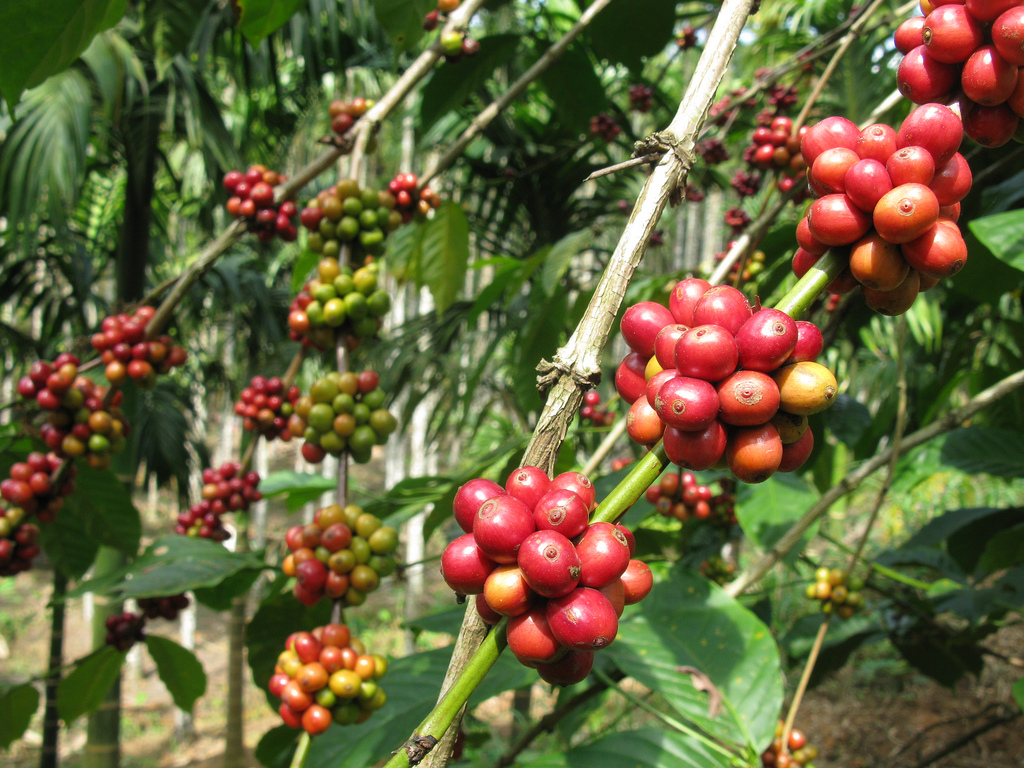
Nestled amidst the lush Western Ghats of southern India, Wayanad offers a tranquil escape into the verdant world of coffee plantations. Here, the aroma of freshly grown coffee is intertwined with the region's rich history and vibrant culture, providing visitors with a profound sensory experience that goes beyond the ordinary.

The story of coffee in Wayanad dates back to the 18th century, when the British colonialists introduced coffee cultivation to the region. The fertile soil and the humid climate of the Western Ghats proved ideal for growing coffee, and the plantations soon flourished. Historical documents indicate that by the mid-19th century, Wayanad had become a significant coffee-producing area, contributing to India's burgeoning coffee industry. The legacy of this period is still visible in the sprawling estates, many of which retain their colonial charm.
The architecture of these plantations adds another layer of intrigue. The planters' bungalows, often set amidst expansive gardens, are exquisite examples of colonial architecture. These structures, with their spacious verandas and high ceilings, reflect a blend of British and traditional Kerala architectural styles. Some plantations even house small museums showcasing artifacts from the colonial era, providing a glimpse into the life and times of the early coffee planters.
Cultural vibrancy is palpable in Wayanad, a district that is home to several indigenous tribes, including the Kurichiyas and Paniyas. These communities have preserved their unique traditions and customs over centuries. Visitors might witness tribal dances or participate in local festivals such as the Karthigai, celebrated with vibrant lamps and traditional music. The tribal art forms, including intricate bamboo crafts and tribal jewelry, are beautiful souvenirs that carry the essence of Wayanad’s cultural tapestry.
While coffee is the star, Wayanad's gastronomy offers a flavorful journey through Kerala's culinary landscape. The region’s cuisine is characterized by the generous use of coconut, aromatic spices, and rice. Dishes like Puttu (steamed rice cake), Appam (rice pancake), and the rich, spicy Kerala chicken curry are must-tries. Wash it all down with a cup of freshly brewed Wayanad coffee, renowned for its smooth, full-bodied flavor with hints of chocolate and spice.
Among the lesser-known curiosities of Wayanad is its role as a biodiversity hotspot. The plantations are interspersed with rich flora and fauna, making them a haven for nature enthusiasts. Bird watchers will be delighted by the presence of endemic species like the Malabar Grey Hornbill. Another intriguing aspect is the Edakkal Caves, located nearby, which contain prehistoric petroglyphs dating back over 6,000 years, offering insights into ancient human civilization.
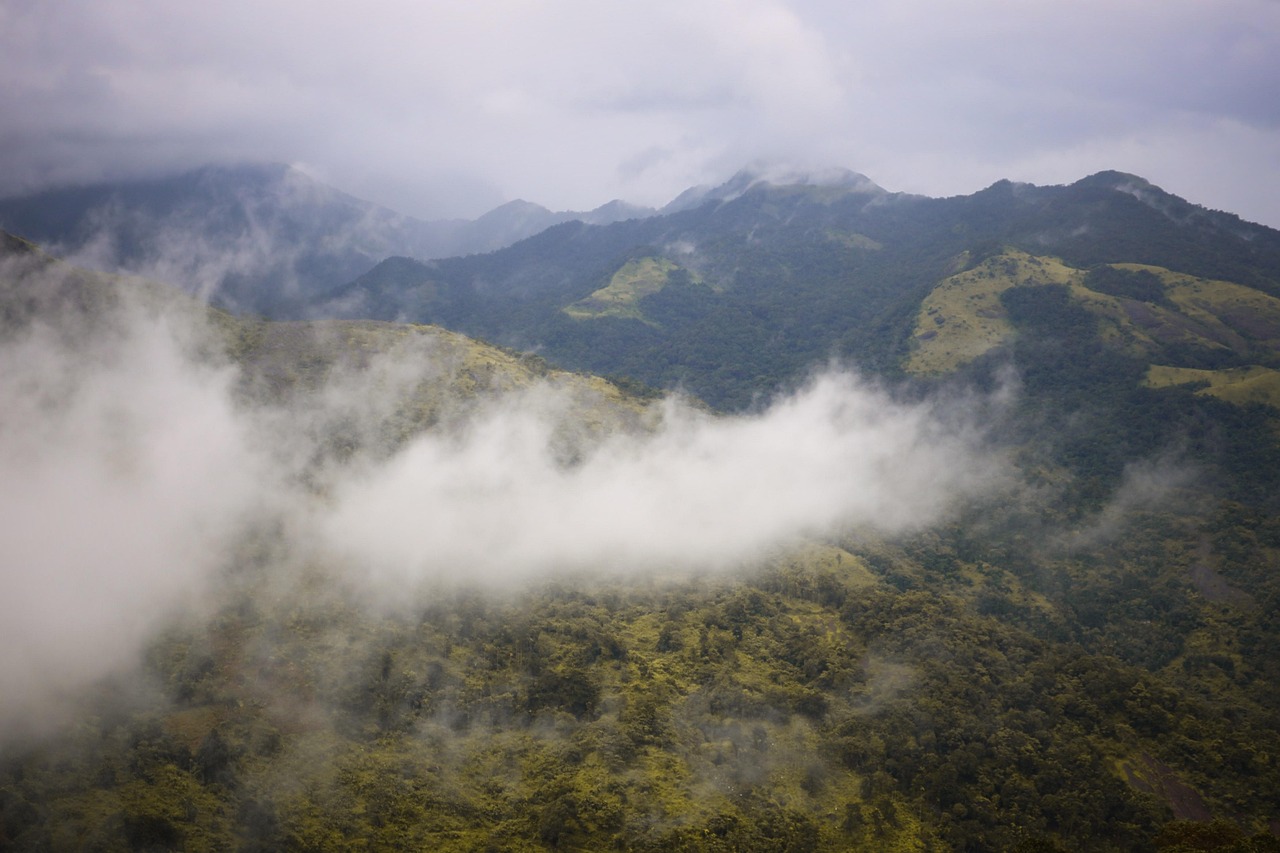
For those planning a visit, the best time to explore Wayanad's coffee plantations is from October to March, when the weather is pleasantly cool. Early mornings are ideal for plantation walks, as the mist hangs low, creating an ethereal ambiance. Comfortable walking shoes and a light jacket are recommended for these excursions through the hilly terrain.
While traversing the plantations, look out for the Arabica and Robusta coffee plants, distinguishable by their different leaf shapes and sizes. Engage with local guides who often share fascinating stories about the planting process and the challenges of maintaining sustainable practices in today's environmental climate.
Wayanad offers more than just a caffeine fix; it provides a deep dive into a region steeped in history, culture, and nature. Each element, from the architectural echoes of the past to the rich coffee aromas of the present, invites you to linger a little longer and savor the many flavors of this remarkable corner of India.
