



Nestled in the breathtaking landscape of the Spiti Valley, the Tabo Monastery serves as a serene sanctuary that transports visitors back to the 10th century. This remarkable site is not just a place of worship; it is a treasure trove of Buddhist culture, art, and history, making it an essential stop on any journey through this remote Himalayan region.
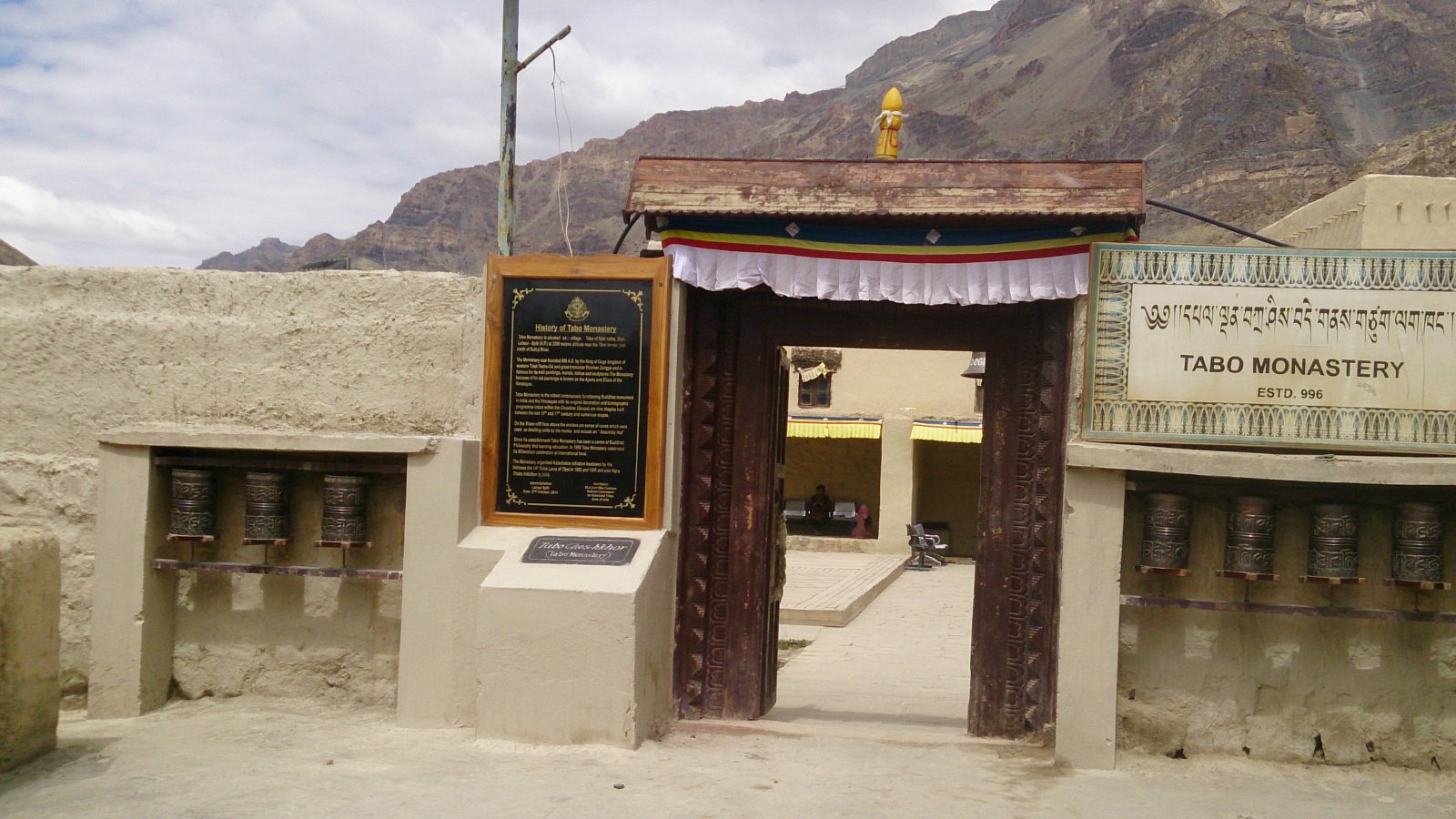
History and Origins
Founded in 996 CE by the Royal Lama Yeshe-O, the Tabo Monastery is recognized as the oldest continuously operating Buddhist monastery in India. Its establishment came at a time when Buddhism was flourishing in the region, and Tabo quickly became a pivotal center for learning and spiritual practice. Over the centuries, it has withstood the test of time, surviving invasions and natural calamities while maintaining its sacred traditions.

Key historical events, such as the arrival of Atisha, a revered teacher who spread Mahayana Buddhism, and the construction of beautiful murals in the 12th century, have added layers to Tabo's historical significance. The monastery has survived through various dynasties and continues to be a bastion of Tibetan Buddhism, attracting scholars and pilgrims alike.
Art and Architecture
The architectural style of Tabo Monastery is a stunning reflection of Buddhist artistic traditions. Built in mud and stone, the complex features nine temples, four stupas, and numerous cave shrines adorned with elaborate frescoes. The most notable temple, the Main Temple, houses a collection of beautiful murals depicting the life of the Buddha and various bodhisattvas.
What sets Tabo apart is the unique blend of Indian and Tibetan architectural influences, characterized by its thick walls, flat roofs, and intricate woodwork. The rich colors of the frescoes, many of which date back to the 10th century, are a testament to the skilled artisans who dedicated their lives to this sacred art.
Local Culture and Traditions
The local culture in Tabo is deeply intertwined with its Buddhist heritage. The community celebrates numerous festivals, with one of the most significant being the Tabo Monastery Festival, which showcases traditional music, dance, and rituals that honor the teachings of the Buddha. During this time, monks perform cham dances, wearing vibrant masks and costumes to depict the triumph of good over evil.
Traditions here are not merely relics of the past; they are living practices. The community emphasizes the importance of compassion, mindfulness, and community service, which are central tenets of Buddhism. Visitors are often welcomed to participate in local customs, such as tea ceremonies, offering a deeper understanding of the region's spirituality.
Gastronomy
The cuisine of Tabo and the Spiti Valley reflects the harsh climatic conditions and the agricultural practices of the region. Traditional dishes include momos (steamed dumplings filled with vegetables or meat), thukpa (a hearty noodle soup), and churpi (dried cheese). These meals are often accompanied by butter tea, a warming drink made from tea, butter, and salt, which is particularly popular among locals.
Visitors can also enjoy the flavors of local barley, which is a staple grain in the region. Tsampa, roasted barley flour mixed with tea or milk, is a common energy snack for monks and travelers alike. Sampling these dishes provides an authentic taste of the region's culture and lifestyle.
Lesser-known Curiosities
Despite its historical significance, Tabo Monastery is often overshadowed by its more famous counterparts, like the Hemis Monastery in Ladakh. One lesser-known fact is that Tabo is home to the "Ajanta of the Himalayas," a title given to its stunning murals and frescoes that have been preserved through centuries.
Another intriguing detail is that the monastery has a library containing ancient texts, some of which date back to the time of its founding. This library is a rare gem for scholars interested in Buddhist philosophy and ancient manuscripts.
Additionally, beneath the monastery lies a network of caves that once served as meditation retreats for monks. These caves, adorned with simple yet powerful paintings, offer a glimpse into the ascetic practices that shaped the spiritual landscape of Tabo.
Practical Visitor Information
The best time to visit Tabo is during the summer months, from May to September, when the weather is milder and more accessible for travelers. It’s essential to acclimatize to the high altitude, so taking time to adjust is crucial.
When visiting, be sure to respect the rules of the monastery, which include prohibitions on photography inside the temples. Exploring the grounds and engaging with the resident monks can be a profound experience; many are open to sharing their stories and insights into Buddhism.
For a unique experience, consider staying at the Tabo Monastery Guesthouse, where accommodations offer a glimpse into the daily lives of monks. Though basic, the hospitality and tranquility of this stay can enhance your connection to the monastery.
The Tabo Monastery is a journey into the heart of Buddhist culture and a testament to the enduring spirit of the Spiti Valley. To make the most of your visit, consider using the Secret World app to create a personalized itinerary tailored to your interests.
