
← Back

Intiñan Solar Museum in Quito

Manuel Cordova Galarza, Quito, Ecuador ★★★★☆ 424 views
Miriam Agreeste
Quito
🏆 AI Trip Planner 2026

Get the free app

Discover the best of Quito with Secret World — the AI trip planner with 1M+ destinations. Get personalized itineraries, hidden gems and local tips. Free on iOS & Android.

🧠 AI Itineraries 🎒 Trip Toolkit 🎮 KnowWhere Game 🎧 Audio Guides 📹 Videos
Download on the App Store Get it on Google Play
Scan to download Scan to download
Intiñan Solar Museum in Quito - Quito | Secret World Trip Planner

Nestled on the outskirts of Quito, Ecuador, the Intiñan Solar Museum stands as a beacon of science, culture, and history. Just a short walk from the iconic Middle of the World monument, this museum offers a unique glimpse into the legacy of the Inca civilization and the fascinating phenomena tied to the equator.

### History and Origins The Intiñan Solar Museum was established in 1996 by a group of Ecuadorian scientists and historians aiming to showcase the cultural and scientific significance of the equatorial line. The name Intiñan translates to 'the path of the sun' in Kichwa, a reflection of its dedication to the ancient Andean civilizations that revered the sun. The museum stands close to the site where the French Geodesic Mission, in the 18th century, sought to determine the Earth’s shape by measuring the meridian arc across the equator. This pivotal event laid the groundwork for modern geodesy and emphasized Ecuador's unique position on the globe.

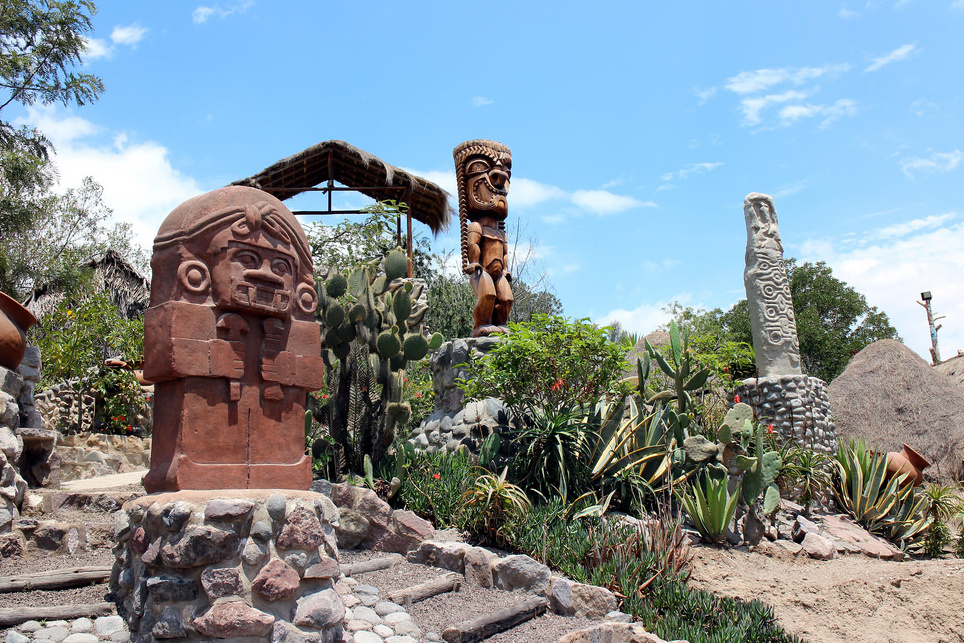
### Art and Architecture The architectural style of the Intiñan Solar Museum is rustic yet engaging, featuring thatched roofs and colorful murals that celebrate the rich heritage of Ecuador’s indigenous cultures. The exhibits are predominantly outdoor, allowing visitors to experience the equatorial phenomena in a natural setting. Notable artworks include life-sized replicas of indigenous people, traditional huts, and historical artifacts that narrate the stories of the Inca Empire and its connection to the sun.

### Local Culture and Traditions Cultural significance permeates every corner of the museum. Visitors can learn about the Inti Raymi festival, celebrated around the winter solstice, which honors the sun god, Inti. This festival brings together communities to celebrate with music, dance, and traditional ceremonies, reflecting the indigenous peoples’ enduring connection to the sun and nature. The museum often hosts workshops and cultural events that highlight these traditions, creating an enriching experience for tourists eager to delve deeper into local customs.

### Gastronomy While the Intiñan Solar Museum focuses primarily on science and culture, the culinary scene in Quito complements the experience beautifully. Nearby eateries often serve traditional dishes such as ceviche, marinated seafood mixed with fresh lime and herbs, or locro de papa, a hearty potato soup. Adventurous visitors can also try chicha, a traditional fermented corn drink, often served in communal settings, emphasizing the region's rich agricultural heritage.

### Lesser-known Curiosities One of the most intriguing aspects of the museum is the series of interactive experiments demonstrating the effects of being on the equatorial line. For instance, the famous egg balancing challenge tests visitors’ skills in balancing an egg on a nail, a task that can only be successfully completed at the equator due to the gravitational effects. Those who succeed earn a stamp in their passport, a delightful souvenir of their equatorial adventure. Additionally, the museum features a shrunken head exhibit, showcasing the ancient practice of the Shuar people, which adds an element of mystique and intrigue.

### Practical Visitor Information The best time to visit the Intiñan Solar Museum is during the dry season, from June to September, when the weather is typically more favorable for outdoor activities. It is advisable to arrive early to fully enjoy all the interactive exhibits and participate in the unique experiments. Wear comfortable shoes, as you’ll be walking around the expansive grounds, and don’t forget to bring a camera to capture the breathtaking views from the equatorial line.

For those keen to explore more about Ecuador's geographical wonders, engaging local guides can provide valuable insights, making the experience even more memorable.

In conclusion, the Intiñan Solar Museum is not just a destination; it is a celebration of Ecuadorian identity, history, and the remarkable science of our planet. Whether you are a history buff, a science enthusiast, or simply a curious traveler, this museum promises an engaging exploration of the unique phenomena surrounding the equator.

To enhance your visit to Quito, consider using the Secret World app to craft a personalized itinerary tailored to your interests.

Buy Unique Travel Experiences

Powered by Viator

See more on Viator.com

Frequently Asked Questions

Intiñan translates to 'the path of the sun' in Kichwa, reflecting the museum's dedication to ancient Andean civilizations that revered the sun. The name perfectly encapsulates the museum's focus on the cultural and scientific significance of the equator and its connection to the Inca Empire's sun worship.
The museum was founded in 1996 by Ecuadorian scientists and historians to showcase the cultural and scientific significance of the equatorial line. It was built near the site of the 18th-century French Geodesic Mission, which helped determine Earth's shape and emphasized Ecuador's unique position on the globe.
The museum features outdoor exhibits including life-sized replicas of indigenous people, traditional huts, and historical artifacts that tell the stories of the Inca Empire. The rustic architecture includes thatched roofs and colorful murals celebrating Ecuador's indigenous cultures, all designed to let visitors experience equatorial phenomena in a natural setting.
The Intiñan Solar Museum is located just a short walk from the iconic Middle of the World monument on the outskirts of Quito. This convenient proximity allows visitors to explore both attractions in a single trip while learning about Ecuador's equatorial significance.
Inti Raymi is a festival celebrated around the winter solstice that honors the sun god, Inti, with music, dance, and traditional ceremonies. The museum regularly hosts workshops and cultural events about this festival, reflecting the indigenous peoples' enduring connection to the sun and nature.
