
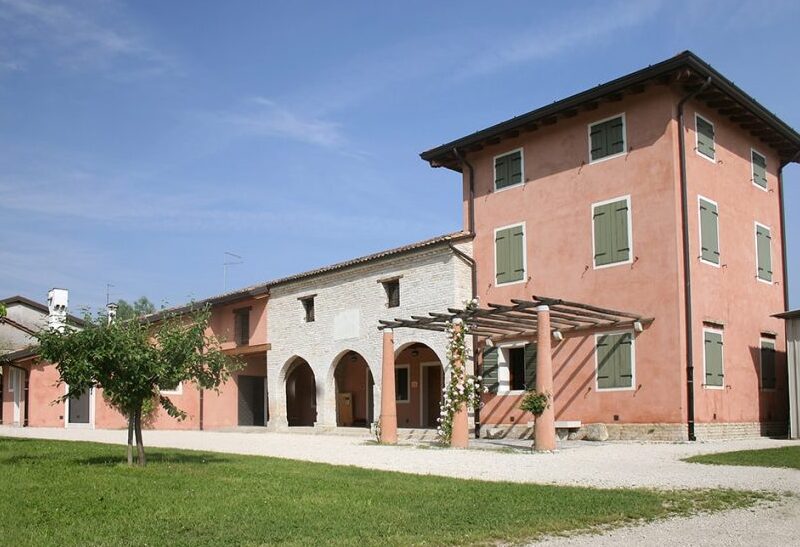

Nestled in the heart of Nuoro, a city renowned for its rich tapestry of Sardinian culture, the Ippolito Nievo Museum offers a unique glimpse into the life and legacy of one of Italy's most cherished literary figures. This modest yet captivating museum pays homage to Ippolito Nievo, a 19th-century novelist whose works continue to resonate with readers today. The museum, a labor of love initiated by his great-grandson Stanislao Nievo, invites visitors to step back in time and explore the world of a writer who was deeply intertwined with Italy's turbulent path to unification.
The origins of the museum are as intriguing as its collections. Ippolito Nievo, born in 1831, was a passionate writer and patriot. His most renowned work, "Confessions of an Italian," is a vivid portrayal of the Italian Risorgimento. Though his life was tragically cut short in 1861, at the age of 29, his literary contributions have left an indelible mark. The museum was established much later, driven by Stanislao Nievo's determination to preserve and celebrate the legacy of his illustrious ancestor. His efforts have ensured that visitors today can experience the intimate connection between Nievo's personal artifacts and his literary genius.
Architecturally, the museum is a subtle blend of traditional Sardinian styles and modern design, creating a harmonious space that reflects both the past and present. While it may not boast grandiose structures, its charm lies in the thoughtful curation of Nievo's personal items—manuscripts, letters, and first editions—that transport visitors to the 19th century. The intimate setting encourages a deeper appreciation of Nievo's work and the historical context of his life.
Nuoro itself is a cultural gem, often referred to as the "Athens of Sardinia" for its vibrant artistic and literary scene. The city celebrates its heritage through numerous festivals, such as the Sagra del Redentore in August, which features traditional costumes, music, and dance, offering a vivid insight into Sardinian culture. Visitors to the museum can also revel in the local traditions, where the past and present coexist harmoniously.
A visit to Nuoro is incomplete without indulging in the region's gastronomic delights. The local cuisine is a testament to Sardinia's rich culinary heritage, with dishes like porceddu—succulent roast suckling pig—and culurgiones, a type of stuffed pasta, offering a taste of the island's unique flavors. Pair these with a glass of Cannonau wine, a robust red that reflects the rugged Sardinian landscape, and you have a meal that speaks to the soul of the region.
For those seeking lesser-known curiosities, the museum holds several intriguing surprises. Among its artifacts is a rare collection of Nievo's personal correspondence, offering insights into his thoughts and inspirations. One particularly fascinating piece is a letter he wrote shortly before his untimely death, providing a poignant glimpse into the mind of a man who was both a witness and a participant in Italy's transformation.
Practical information for visitors is essential to fully enjoy the experience. The museum is typically open from Tuesday to Sunday, with reduced hours during the off-season. The best time to visit is during the spring or early autumn, when the weather is mild, and the city is alive with cultural activities. Visitors should allow at least an hour to explore the collections thoroughly, and it's advisable to check ahead for any temporary exhibitions or events that might enhance the experience.
In the heart of Nuoro, the Ippolito Nievo Museum stands as a testament to a writer whose work and life echoed the aspirations of a nation. It is more than just a collection of artifacts; it is a portal to an era defined by its quest for identity and unity. As you wander through the museum's halls, you are not just observing history—you are walking alongside it, guided by the enduring legacy of Ippolito Nievo.


