



Nestled in the ancient city of Shushtar, Iran, the Band-e Kaisar, also known as the Bridge of Valerian, stands as a remarkable testament to the ingenuity of Roman engineering and Persian resilience. Constructed between 260 and 270 CE, this stone arch bridge is not merely a structure; it symbolizes the intersection of cultures during a time of significant historical upheaval. It was built under the reign of Shapur I, the Sassanid ruler who famously captured the Roman Emperor Valerian and his army. The bridge, which served both as a dam and a passageway, is the most eastern example of Roman bridge architecture, showcasing the reach of Roman influence deep into Persian territory.

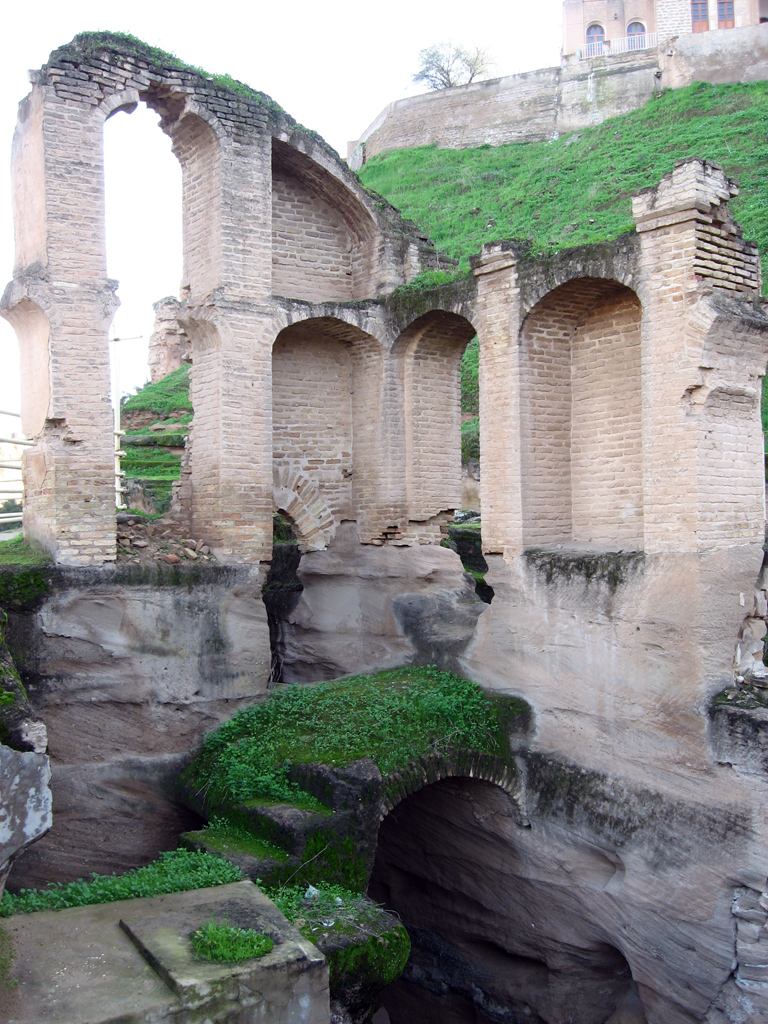
The Band-e Kaisar is architecturally significant for its Roman design, characterized by robust arches and enduring stonework. It reflects a blend of Roman engineering and Persian craftsmanship, illustrating how cultures can harmonize through their shared needs. The structure spans the Karkheh River, and the dam it forms was crucial for irrigation and water management in the region, contributing to the agricultural prosperity of Shushtar.
Art and architecture enthusiasts will find much to admire in the Band-e Kaisar. Its strategic design allowed for the control of river flow while providing a vital transportation route. The bridge features several arches that rise gracefully, allowing for both water passage and road traffic. Notably, the bridge was adorned with intricate carvings and inscriptions, many of which tell the story of its construction and the historical events surrounding it, although much of this artistry has weathered over the centuries.
In terms of local culture, Shushtar is a vibrant tapestry of Persian traditions and customs. The city is renowned for its festivals that celebrate its rich history. One particularly notable event is the Shushtar Water Festival, which pays homage to the ancient irrigation systems, including the Band-e Kaisar. The festival draws locals and tourists alike, showcasing traditional music, dance, and culinary delights that highlight the region’s agricultural bounty.
When it comes to gastronomy, Shushtar offers a unique culinary experience reflective of its historical significance. Visitors can savor local dishes such as Khoresht-e Gheymé, a rich stew made with tender meat and split peas, served with fragrant rice. Another must-try is Dizi, a traditional lamb stew cooked in a stone pot, symbolizing the blend of flavors that characterize Persian cuisine. Enjoying these dishes in a local eatery while overlooking the Band-e Kaisar offers a truly immersive experience.
Beyond its imposing structure, the Band-e Kaisar is steeped in lesser-known curiosities. For instance, the bridge-dam played a pivotal role in the irrigation network of Shushtar, which has been recognized as an engineering marvel since ancient times. The region's complex system of canals and mills, which includes the Band-e Kaisar, is a UNESCO World Heritage Site, but many visitors overlook the intertwined history of water management and agriculture that has sustained this area for centuries. Additionally, the name Band-e Kaisar itself translates to ‘Caesar’s dam’, a nod to its Roman origins, but many are unaware that it also embodies the story of resilience against foreign domination.
For those eager to explore this historical marvel, the best time to visit Shushtar is during spring (March to May) or autumn (September to November). The weather during these months is mild, allowing for comfortable exploration of the site and surrounding areas. When visiting, be sure to take your time to walk across the bridge, observe the intricate stonework, and appreciate the panoramic views of the lush landscape surrounding the Karkheh River.
As you wander through the remnants of ancient civilizations, consider capturing the experience with a guided exploration. A visit to Shushtar and the Band-e Kaisar is not just an opportunity to see a remarkable piece of history; it's a chance to immerse yourself in a narrative that spans centuries, connecting the past to the present.
For a personalized itinerary that captures the essence of Shushtar, consider using the Secret World app to plan your journey.
