
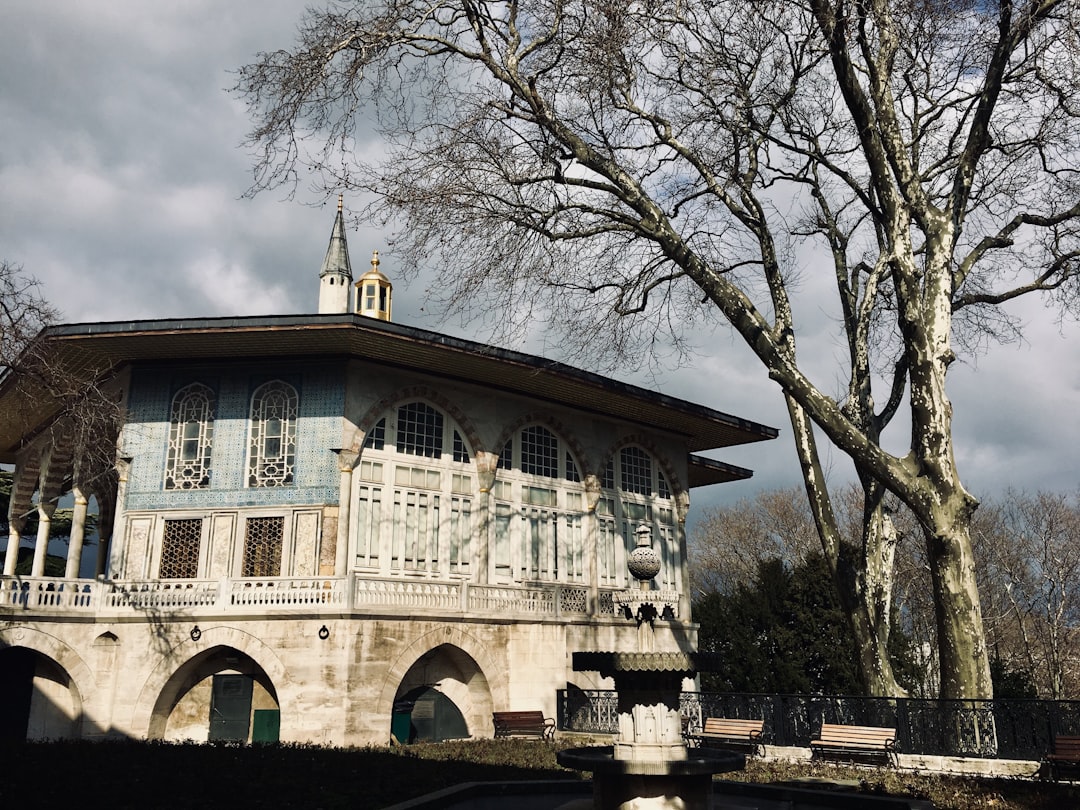

In the heart of Baghdad, along the western bank of the Tigris, lies one of the most extraordinary material archives of all human civilization. The National Museum of Iraq — commonly referred to as the Museum of Iraq — houses artifacts that span over ten thousand years of Mesopotamian history, from the earliest Neolithic cultures to the medieval Islamic era. This is not just any museum: its halls contain objects from Sumer, Akkad, Babylon, Assyria, and the civilizations that made Mesopotamia the place where writing, the code of laws, and organized agriculture were born.

The museum was founded in 1923, during the period of the British mandate, at the initiative of director Gertrude Bell, the famous British orientalist and diplomat who played a crucial role in the formation of the modern Iraqi state. Bell understood before many others the importance of preserving the local archaeological heritage, often looted or exported abroad. Her vision led to the creation of an institution that, despite decades of wars and political crises, remains the main custodian of the material memory of the Fertile Crescent.
The collections and masterpieces not to be missed

The museum's rooms are organized chronologically and by geographical area. Among the most significant pieces is the Head of Akkad, a sculptural fragment in bronze dating back to the Akkadian period (circa 2300-2200 BC), considered one of the oldest realistic portraits in the history of art. The extraordinary metalwork, with the details of the braided beard and the eyes originally set with precious stones now lost, can be seen up close in one of the rooms dedicated to northern Mesopotamia.
Equally important is the section dedicated to Ur, featuring materials from the excavations conducted by Leonard Woolley in the 1920s and 1930s. Among these stand out the funerary objects from the so-called Tomb of Queen Puabi, who lived around 2600 BC: headdresses in gold and lapis lazuli, decorated harps, vases in electrum. Each piece tells a funerary ritual of extraordinary complexity for the time. The Sumerian room is probably the one that requires the most time and attention during the visit.
The looting of 2003 and the recovery of the works
In April 2003, during and after the American invasion of Iraq, the museum suffered one of the most devastating looting events in contemporary cultural history. Thousands of objects were stolen — estimates suggest over 15,000 pieces taken, although the exact number remains a subject of debate among experts. Among the missing artifacts was the Warka Vase, one of the oldest narrative artifacts made of limestone in the world (circa 3200-3000 BC), which was later partially recovered in damaged conditions.
The museum remained closed for several years after the looting, partially reopening in 2015 thanks to a long process of restoration and international recovery, with the support of UNESCO and numerous governments and cultural institutions. Many objects have been returned by the United States, Jordan, and other countries. Some rooms still show the signs of this trauma: explanatory panels indicate the gaps in the collections, making the visit also a reflection on the fragility of heritage in times of conflict.
The experience of the visit: what to expect
The museum occupies a neoclassical building with large internal courtyards where monumental reliefs and large statues are displayed. The internal rooms are air-conditioned, which is a considerable relief during the Iraqi summer months, when temperatures in Baghdad regularly exceed 45°C. The signage is in Arabic and English, and some rooms have detailed descriptive panels, while others are more sparse in contextual information.
A complete visit requires at least three hours, but those who want to delve into the Sumerian, Assyrian, and Babylonian sections should plan for an entire morning. The museum is open to the public, although hours may vary based on the local security situation: it is advisable to check the updated conditions before planning the visit through your country's embassy or reliable diplomatic sources. Access is generally allowed with local escorts or authorized guides.
Practical tips for visitors
The most useful advice for those intending to visit the Iraq Museum is to arrive in the early morning hours, preferably between 9 and 10, when temperatures are still bearable and the crowds are smaller. Bringing water and some snacks is recommended, as the internal services at the museum are limited. Photography is generally allowed in the halls, but it is always advisable to ask for confirmation from the security staff before taking pictures.
From a logistical point of view, the museum is located in the Al-Salihiya neighborhood, near Tahrir Square. Reaching it by taxi or with a private driver is the most practical solution for foreign visitors. Given the complexity of the security situation in Iraq, it is essential to consult the updated travel advisories from the Italian Ministry of Foreign Affairs before organizing any movement in the country.


