
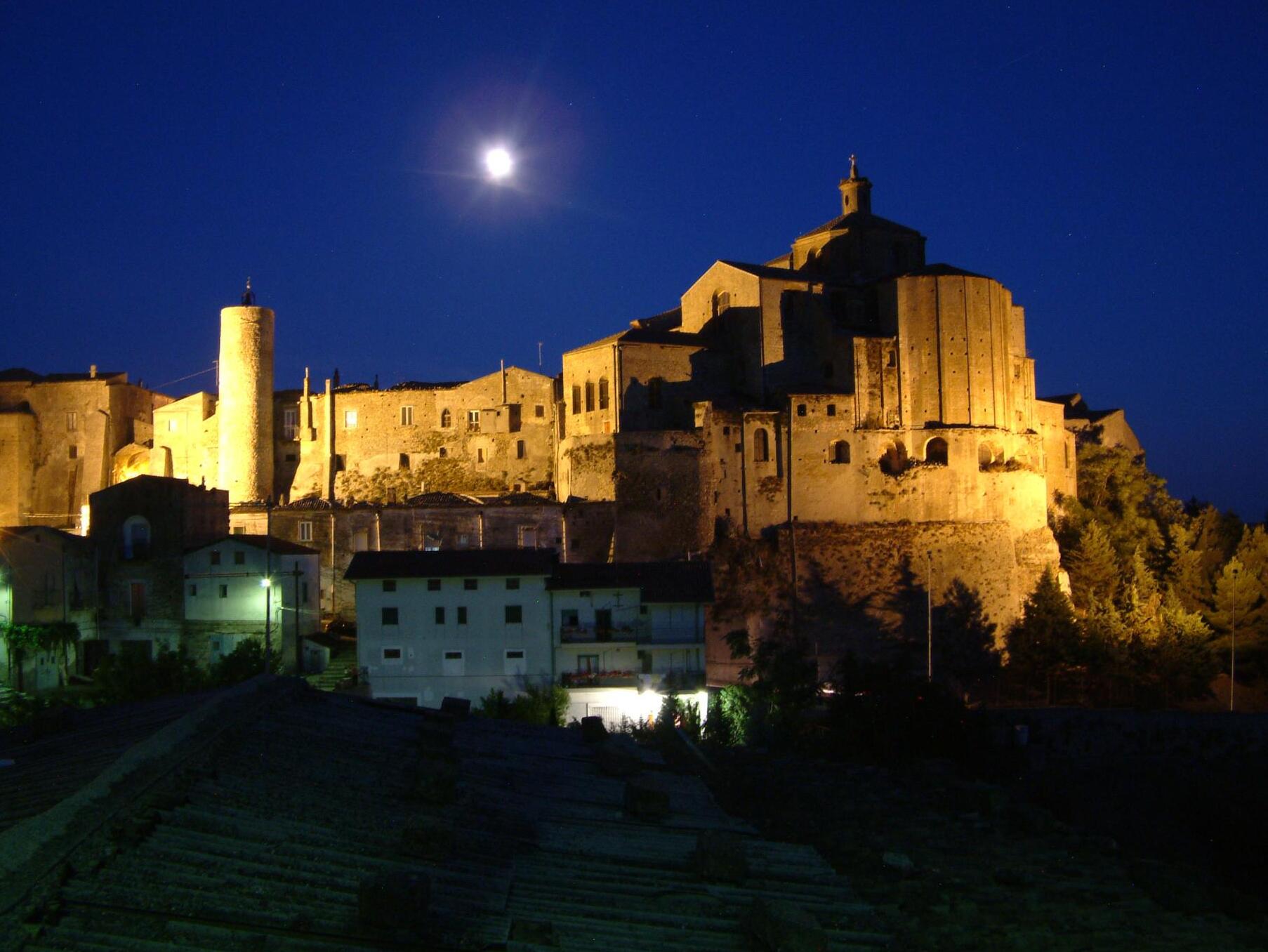

Nestled atop a hill, Irsina—known locally as Montepelòse—is a charming jewel in the province of Matera. This hidden gem is not just a scenic vista but a vibrant tapestry of history, culture, and tradition that beckons to be explored. With roots tracing back to ancient civilizations, Irsina offers visitors a unique opportunity to step back in time and experience the essence of Basilicata.
History and Origins
The history of Irsina is a captivating chronicle of resilience and transformation. Originally founded by the Greeks, it served as a vital outpost in the region, later becoming a significant location for the Romans. The town’s strategic hilltop position allowed it to flourish, but it also made it a target during the medieval period. The Benedictine monks established a monastery here in the 8th century, further embedding Irsina into the religious and economic fabric of the area.
Throughout the Middle Ages, Irsina experienced a turbulent history, marked by invasions and conflicts. It became a fortified city during the Norman conquest in the 11th century, changing hands multiple times between various rulers, including the Swabians and the Angevins. The town was devastated by earthquakes, particularly in 1857, which led to significant rebuilding efforts that shaped its current architectural landscape.
Art and Architecture
The most striking feature of Irsina is undoubtedly the Cathedral of Santa Maria Assunta, a masterpiece of Romanesque architecture. This stunning church, built in the 12th century, boasts a façade adorned with intricate carvings and a bell tower that offers panoramic views of the surrounding countryside. Inside, the cathedral houses the remarkable statue of Saint Euphemia, a work by the renowned artist Andrea Mantegna. This exquisite sculpture is a rare example of Mantegna's sculptural work and has gained international acclaim, even being exhibited at the Louvre in 2008.
Beyond the cathedral, the narrow cobblestone streets of Irsina are lined with charming houses that reflect the town’s medieval heritage. Visitors can wander through Piazza Garibaldi, where local life unfolds against the backdrop of historical buildings, creating a picturesque setting that feels both timeless and vibrant.
Local Culture and Traditions
Irsina is steeped in local customs that reflect its rich cultural heritage. The community is particularly proud of its annual Feast of Saint Euphemia, held every September. This festival showcases traditional music, processions, and local cuisine, bringing together residents and visitors in a celebration of faith and community spirit. Another significant event is the Carnevale, where locals don colorful costumes and participate in lively parades, a reflection of the town's joyful spirit and creative expression.
Traditional crafts, such as pottery and weaving, are also integral to Irsina's identity. Artisans continue to practice these age-old techniques, offering visitors a chance to take home a piece of Irsina's artistic legacy.
Gastronomy
No visit to Irsina is complete without indulging in its culinary delights. The region is known for its hearty dishes, many of which are made from locally sourced ingredients. A standout is the cavatelli, a type of pasta often served with rich tomato sauce and topped with pecorino cheese. For those with a sweet tooth, the biscotti di Irsina, a traditional almond cookie, is a must-try.
Local wines also play a significant role in Irsina’s gastronomy. The Aglianico del Vulture is a full-bodied red wine that pairs beautifully with the region’s robust dishes, making it a favorite among locals and visitors alike.
Lesser-known Curiosities
While Irsina may not be on every traveler’s radar, it holds a few intriguing secrets. For instance, beneath the town lies an extensive network of ancient caves and tunnels, remnants of its Roman past. These subterranean passages tell stories of the town's historical importance and are often overlooked by visitors. Additionally, the local dialect, Irsinese, contains unique phrases and expressions that reflect the community's close-knit nature and history.
Another fascinating detail is the town's tradition of "La Madonna del Soccorso," a centuries-old ritual in which locals carry a statue of the Virgin Mary through the streets in a show of devotion. This event draws crowds and emphasizes the town's spiritual connections.
Practical Visitor Information
The best time to visit Irsina is during the spring and early autumn months when the weather is mild, and the local landscape is awash with vibrant colors. This period also coincides with several local festivals, enhancing the experience.
When planning your visit, be sure to explore the hidden corners of the old town, including the lesser-known Chiesa di San Francesco, a beautiful church that often goes unnoticed by tourists. It’s also advisable to wear comfortable shoes, as the cobbled streets can be uneven.
For a more personalized experience, consider exploring the local markets, where you can find handmade crafts and taste artisanal foods, immersing yourself in the everyday life of Irsina.
As you wander through the charming streets of Irsina, you’ll find a place that is rich in history and vibrant in culture, waiting to be discovered. Use the Secret World app to plan your personalized AI itinerary for an unforgettable journey through this enchanting town.


