
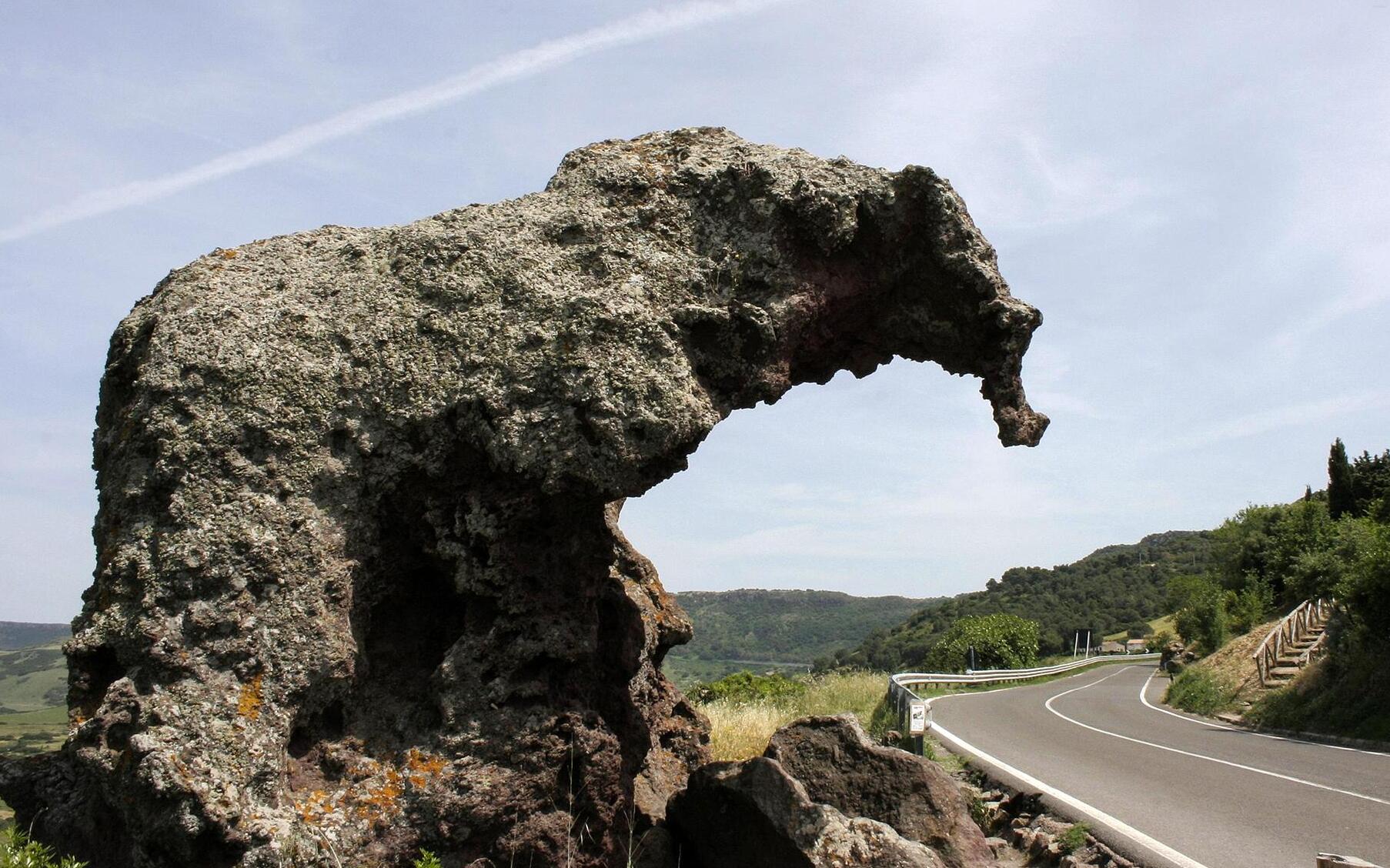

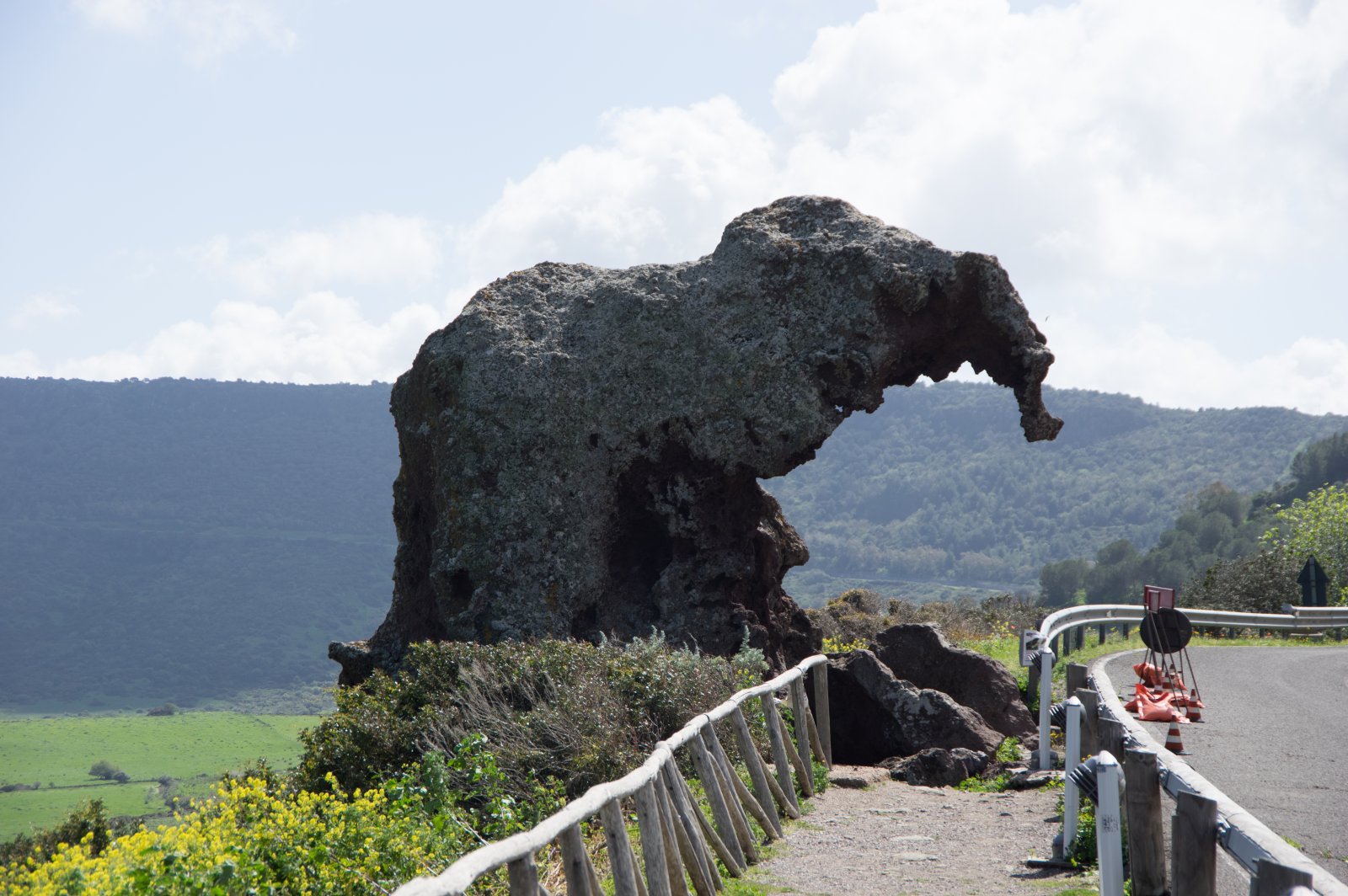
Perched majestically against the picturesque backdrop of Castelsardo in northern Sardinia, the Elephant Rock is an intriguing testament to the island's rich tapestry of history and nature. This striking geological formation, hewn from trachyte and andesite, stands approximately four meters high and captivates visitors with its uncanny resemblance to an elephant. The rock, sculpted over millennia by the relentless forces of wind and rain, is not only a natural wonder but also a significant archaeological site.
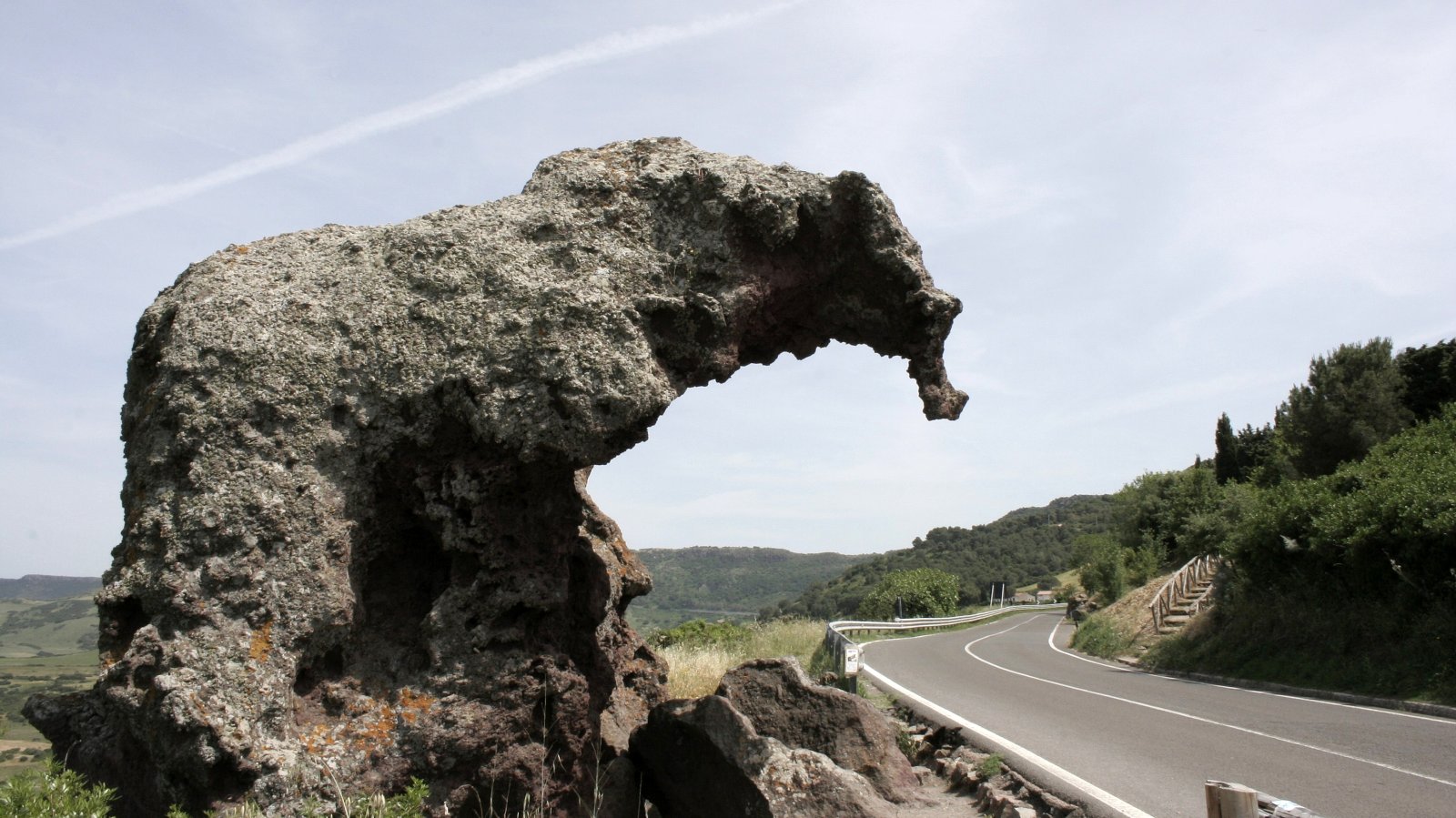
The Elephant Rock holds profound historical importance due to the presence of domus de janas within its structure. These ancient tombs, carved during the pre-Nuragic period, date back to the Neolithic era and are believed to have served as burial sites for the island's early inhabitants. The term "domus de janas" translates to "houses of the fairies," reflecting local folklore that imbues these structures with a mystical aura. This historical significance makes the rock a crucial piece in understanding the early cultural practices of Sardinia.
Artistic and architectural elements are subtly interwoven into the Elephant Rock's natural form. While the rock itself is a masterpiece of nature, the carvings inside the domus de janas exhibit rudimentary artistic expressions of prehistoric life. These carvings provide a glimpse into the past, offering insights into the spiritual and societal frameworks of ancient Sardinian communities.
Castelsardo, the town closest to the Elephant Rock, is a vibrant hub of Sardinian culture. Known for its medieval architecture, the town celebrates a rich array of traditions and festivals. One of the most notable is Lunissanti, held during Holy Week, where locals partake in a nocturnal procession, chanting ancient hymns through the cobbled streets. This event underscores the deep-rooted spiritual traditions that characterize the region.
A visit to Castelsardo would be incomplete without indulging in its local gastronomy. The area is renowned for its culurgiones, a type of ravioli filled with potatoes, pecorino cheese, and mint. Additionally, the local pecorino cheese and fresh seafood dishes, like spaghetti with bottarga (cured fish roe), reflect the island's rich culinary heritage.
Beyond its evident charm, Elephant Rock harbors lesser-known curiosities. For instance, local legend suggests that the rock once served as a boundary marker for ancient Sardinian territories. Its distinct shape made it an unmistakable landmark, guiding travelers and traders through the island's rugged terrain.
For those planning to visit, the best time to explore the Elephant Rock is during the spring or early autumn. These seasons offer mild weather, ideal for wandering the Sardinian landscape. Visitors should bring comfortable walking shoes and a camera to capture the rock's unique silhouette against the vibrant Mediterranean sky. Don't miss the opportunity to explore the nearby town of Castelsardo, with its labyrinthine streets and charming artisan shops.
To make the most of your visit to Castelsardo and its surroundings, consider using the Secret World app to craft a personalized itinerary that matches your interests and schedule.


