← Back

Italy's largest Roman cisterns.

Via Paccarone, 36, 63900 Fermo FM, Italia ★★★★☆ 267 views
Meghan Wilde
Fermo
🏆 AI Trip Planner 2026

Get the free app

Discover the best of Fermo with Secret World — the AI trip planner with 1M+ destinations. Get personalized itineraries, hidden gems and local tips. Free on iOS & Android.

🧠 AI Itineraries 🎒 Trip Toolkit 🎮 KnowWhere Game 🎧 Audio Guides 📹 Videos
Download on the App Store Get it on Google Play
Scan to download Scan to download

Historical Sites · Fermo

Italy's largest Roman cisterns. - Fermo | Secret World Trip Planner

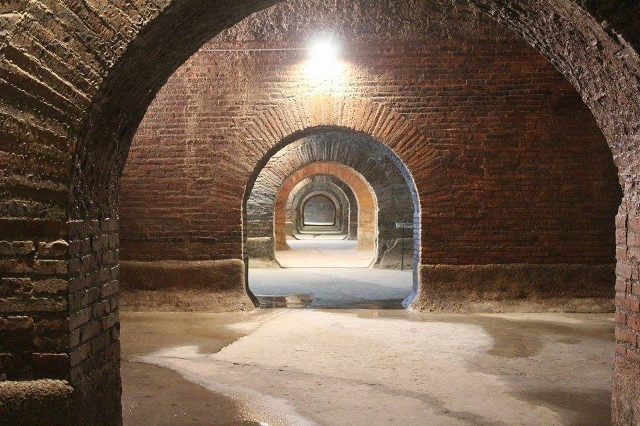
Fermo is home to the Roman Cisterns, which are considered the largest Roman cisterns in Italy. These ancient cisterns date back to Roman times and testify to the engineering mastery of the time.The Roman Cisterns of Fermo are an underground complex consisting of a series of interconnected tanks and tunnels carved into the rock. It is believed that these cisterns were used to collect, store and distribute water for the city of Fermo during the Roman period.The size of the cisterns is impressive: they cover an area of about 2,500 square meters and their storage capacity is estimated to be around 10,000 cubic meters of water. It is fascinating to consider how the ancient Romans were able to design and build such a complex and functional structure.Today, the Roman Cisterns of Fermo are open to the public and can be visited. During the visit, you can explore the intricate system of underground tanks and conduits and admire Roman engineering up close. It is a unique experience that offers an immersion into the ancient history and technology of the time.The Roman Cisterns of Fermo represent an important historical and cultural heritage for the city. In addition to their archaeological value, they are also a point of tourist interest and a testament to the Romans' skills and ingenuity in the field of hydraulic architecture.If you are interested in visiting the Roman Cisterns of Fermo, I recommend contacting the local tourist office for up-to-date information on opening hours and how to visit.
Italy's largest Roman cisterns. - Fermo | Secret World Trip Planner
🗺 AI Trip Planner

Plan your visit to Fermo

Suggested itinerary near Italy's largest Roman cisterns.

MAJ+
500.000+ travelers worldwide
  1. 🌅
    Morning
    Italy's largest Roman cisterns.
    📍 Fermo
  2. ☀️
    Afternoon
    Fermo: a beautiful Town on the hills of Marches
    📍 0.2 km · Fermo
  3. 🌆
    Evening
    Footwear Museum Cav. V. Andolfi
    📍 8.2 km · Fermo

Buy Unique Travel Experiences

Powered by Viator

See more on Viator.com

Explore nearby · Fermo

Frequently Asked Questions

The Roman Cisterns of Fermo are Italy's largest Roman cisterns, consisting of an underground complex of interconnected tanks and tunnels carved into rock. They cover approximately 2,500 square meters with an estimated storage capacity of around 10,000 cubic meters of water, showcasing remarkable Roman engineering expertise.
These ancient cisterns were designed to collect, store, and distribute water throughout the city of Fermo during the Roman period. They represent an impressive example of Roman hydraulic architecture and engineering mastery from that era.
Yes, the Roman Cisterns of Fermo are open to the public and available for visits. You can explore the intricate system of underground tanks and conduits to experience Roman engineering firsthand, though it's recommended to contact the local tourist office for current opening hours and visiting procedures.
The cisterns represent important historical and cultural heritage for Fermo, serving as both an archaeological treasure and testament to Roman ingenuity in hydraulic architecture. They are now a major tourist attraction that offers visitors insight into ancient Roman technology and city planning.
For the most accurate information about visiting hours, guided tours, and access details, contact the local tourist office in Fermo directly. The underground complex is an immersive historical experience that allows you to walk through tunnels and tanks while exploring ancient Roman infrastructure up close.
