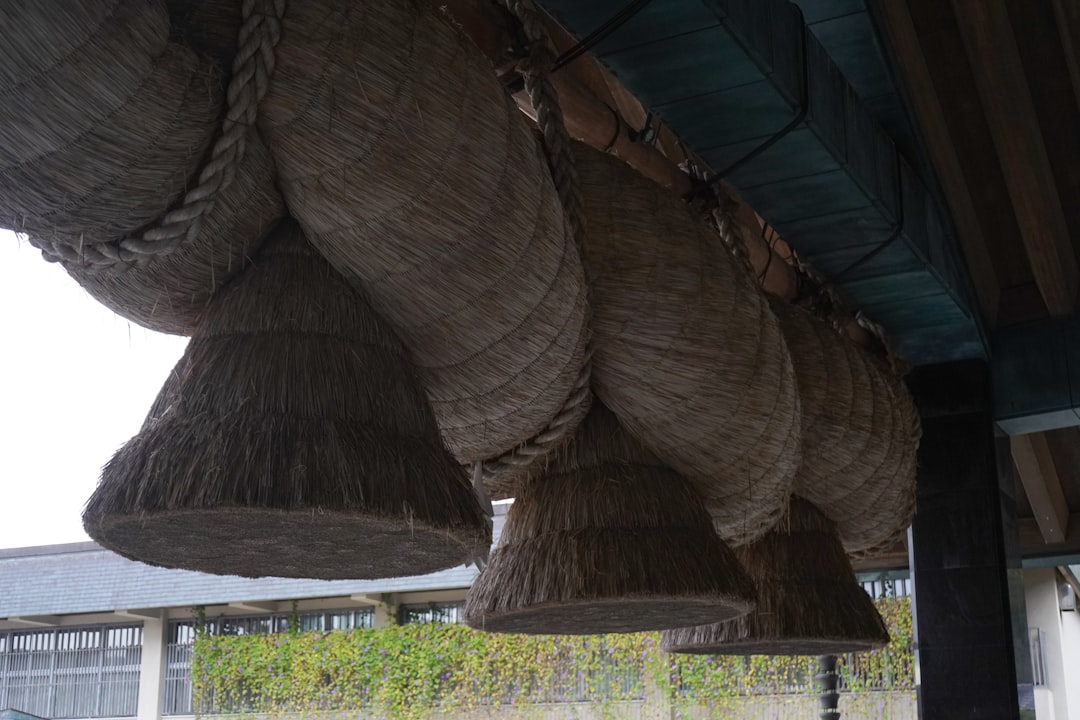
Nestled in the serene landscapes of Izumo-shi, Shimane Prefecture, Izumo Taisha stands as a testament to Japan's rich cultural heritage and spiritual depth. Often hailed as one of the country’s oldest shrines, it is a place where history, mythology, and architectural elegance converge.
### History and Origins
The origins of Izumo Taisha are cloaked in the mists of time, with no definitive records pinpointing its exact founding. However, it is believed to have been established in the early 700s, as documented in the Nihon Shoki (Chronicles of Japan), which is one of Japan's oldest historical texts. The shrine is dedicated to Okuninushi no Okami, a powerful deity associated with creation and the ruler of the Izumo region during pre-historic times.
According to Japanese mythology, Okuninushi played a pivotal role in the formation of the land, making Izumo Taisha not just a spiritual center but a significant cultural landmark. The shrine has been a site of pilgrimage for centuries, drawing worshippers who seek blessings for good relationships and marriage, reflecting its deep-rooted significance in Japanese society.
### Art and Architecture
The architectural style of Izumo Taisha is a beautiful example of shinmei-zukuri, a traditional style characterized by simplicity and harmony with nature. The main hall, or honden, features a distinctive thatched roof that stretches impressively into the sky, creating a powerful visual presence against the backdrop of lush greenery.
One of the most striking features of the shrine is the shimenawa, a sacred straw rope that adorns the entrance, symbolizing the boundary between the sacred and the mundane. Visitors will also find intricate carvings and decorative elements that reflect the artistry of the craftsmen of the time. The shrine’s architecture is not just functional but also serves as a canvas for spiritual expression, making it a significant site for those interested in Japanese art and culture.
### Local Culture and Traditions
Izumo Taisha is at the heart of various local customs and traditions, particularly during its vibrant festivals. One of the most notable is the Shinji Shinto Ceremony, held annually in October, which celebrates the deity Okuninushi. This festival involves traditional music, dance, and various rituals that offer a glimpse into the spiritual practices of the region.
Visitors will also notice a unique prayer custom at the shrine: worshippers clap their hands four times instead of the usual two. This practice is meant to honor not only oneself but also one's partner or desired partner, emphasizing the shrine's reputation as a place for love and relationships.
### Gastronomy
In addition to its spiritual allure, Izumo-shi is renowned for its local cuisine, particularly Izumo soba, a type of buckwheat noodle. Unlike other soba variants, Izumo soba is typically served in a unique way, with the noodles arranged in a picturesque fashion, often accompanied by a variety of dipping sauces and toppings.
Another local delicacy is shijimi, a type of clam harvested from the nearby Lake Shinji, often enjoyed in miso soup or as part of traditional rice dishes. Visitors can savor these flavors at local restaurants and eateries, which offer a culinary journey through the region's agricultural bounty.
### Lesser-Known Curiosities
While many tourists flock to Izumo Taisha for its grandeur, few know about the Kagura Hall, located within the shrine grounds. This hall hosts traditional kagura dances, which are performed to honor the gods and are an integral part of Shinto rituals. The dances are a vibrant mix of storytelling and performance art, often recounting myths associated with Okuninushi.
Additionally, the shrine is rumored to house a hidden sacred tree that is said to grant wishes. Visitors who find the tree often leave offerings, contributing to the sense of mystique enveloping the shrine.
### Practical Visitor Information
To fully appreciate the beauty and significance of Izumo Taisha, the best time to visit is in the spring (March to May) or autumn (September to November), when the weather is mild and the surrounding landscapes are in full bloom or ablaze with fall colors.
When visiting, take the time to explore the extensive grounds, including the beautiful gardens and smaller shrines that dot the landscape. Be sure to participate in the unique four-clap prayer custom and perhaps take home some souvenirs, such as ema (wooden prayer plaques) or omamori (amulets for protection).
###
Whether you are seeking spiritual solace, cultural enrichment, or culinary delights, Izumo Taisha offers a multifaceted experience that captures the essence of Japan. For a truly personalized journey through this enchanting region, consider using the Secret World app to plan your itinerary.