



As you journey through the serene landscapes of northern Estonia, a symphony of rushing water and the whisper of ancient tales awaits you at Jägala Waterfall. Situated near the quaint village of Koogi, this natural marvel captivates visitors with its impressive width and seasonal transformations. But beyond its immediate beauty lies a tapestry of history, culture, and hidden stories that enrich any visit to this enchanting site.

The origins of Jägala Waterfall are woven into the geological and cultural fabric of Estonia. Formed during the last Ice Age, the waterfall is a testament to nature's relentless artistry. Stretching approximately 160 feet across the Jägala River, it stands as Estonia’s widest waterfall, a title that draws nature enthusiasts and photographers alike. Historically, the river and its falls have served as a significant geographical landmark. The area surrounding the waterfall was settled by ancient tribes long before Estonia emerged as a unified nation. These tribes, who revered natural elements, likely considered Jägala a sacred site, a place where the divine and the earthly intersected.
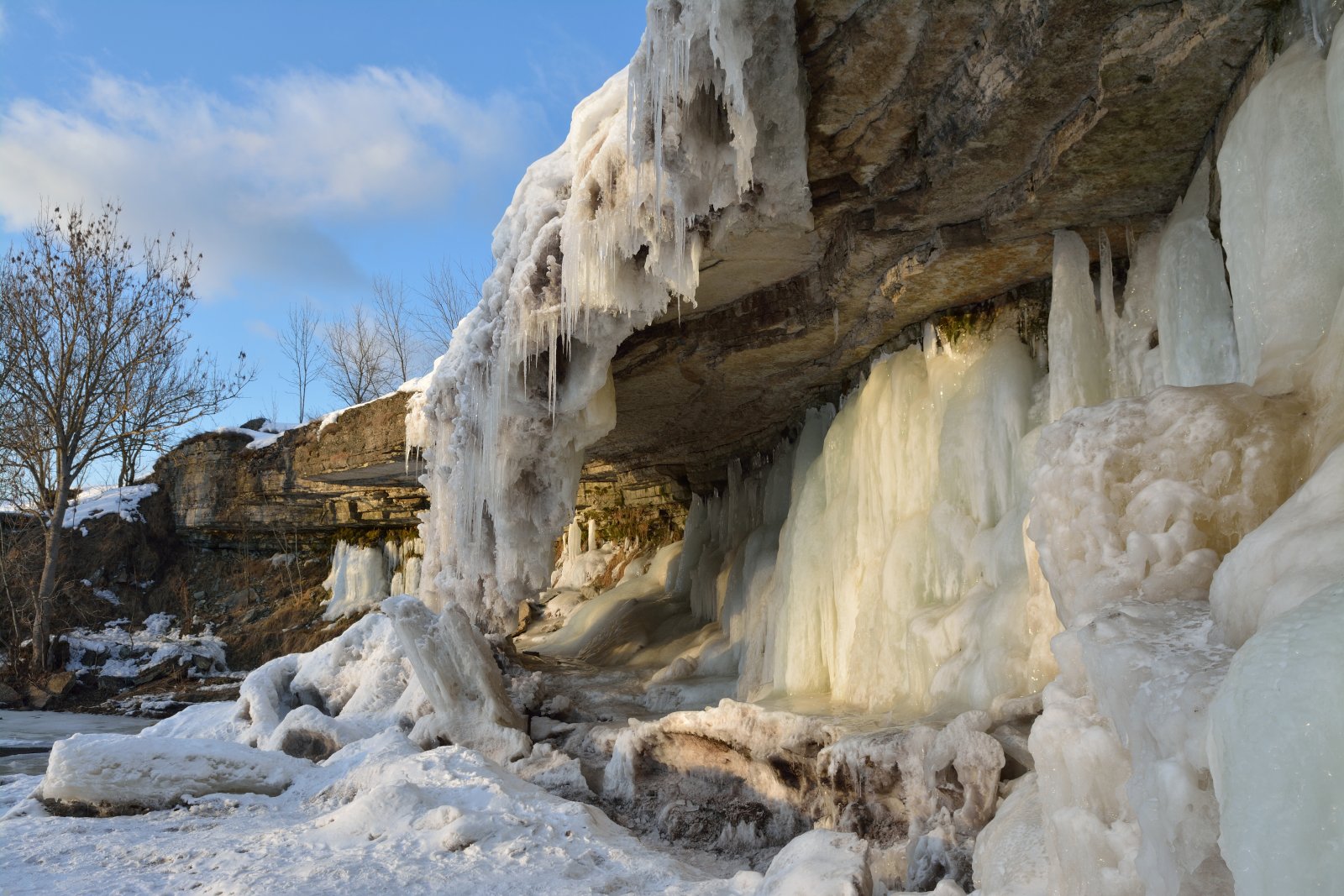
Art and architecture around Jägala Waterfall are subtly integrated into the landscape, reflecting Estonia's deep respect for nature. While there are no grand man-made structures near the falls, the area's beauty has inspired countless artists. Painters and photographers frequently capture the waterfall's dynamic essence, especially in winter when ice forms intricate sculptures. The region's architecture, characterized by traditional Estonian wooden structures, complements the natural surroundings, creating a harmonious blend of human craft and natural wonder.
Culturally, Jägala Waterfall holds a special place in local customs and traditions. It is a popular site for jaanipäev (St. John's Day) festivities, a midsummer celebration deeply rooted in Estonian culture. During this time, locals gather near the falls to celebrate the longest day of the year with bonfires, singing, and dancing. The waterfall provides a picturesque backdrop for these traditional celebrations, where old meets new in a vibrant display of cultural continuity.
No visit to Estonia is complete without indulging in its rich gastronomy, and the area around Jägala Waterfall offers a taste of authentic Estonian flavors. Local eateries often serve traditional dishes such as kama (a mixture of roasted barley, rye, oat, and pea flour) and verivorst (blood sausage), accompanied by hapukapsas (sauerkraut). For a sweet treat, try kohuke, a chocolate-covered curd snack, perfect for a quick energy boost after a day of exploring the waterfall.
Beyond its stunning vistas and cultural significance, Jägala Waterfall harbors lesser-known curiosities that intrigue the curious traveler. In winter, when temperatures plummet, the waterfall transforms into a frozen wonderland. The cascading water freezes mid-air, creating ethereal ice formations that attract ice climbers and adventurers. Moreover, local folklore speaks of hidden treasures buried near the falls, remnants from wartime hideaways. Although these tales are largely unverified, they add a layer of mystique to the already enchanting landscape.
For those planning a visit, the best time to experience Jägala Waterfall is during the shoulder seasons of late spring and early autumn, when the surrounding forests burst with color and the weather is mild. Winter visits offer their own unique charm, with the frozen waterfall providing a striking contrast to the stark, snowy landscape. Visitors should wear sturdy footwear, as paths can be slippery, especially in winter.
As you explore Jägala Waterfall, take a moment to appreciate the subtle sounds of nature and the rich cultural history embedded in its surroundings. Look beyond the surface, and you'll find that this natural wonder is more than just a scenic spot—it's a gateway into Estonia's heart and soul, a place where history, nature, and culture converge in a breathtaking display of natural beauty.
