



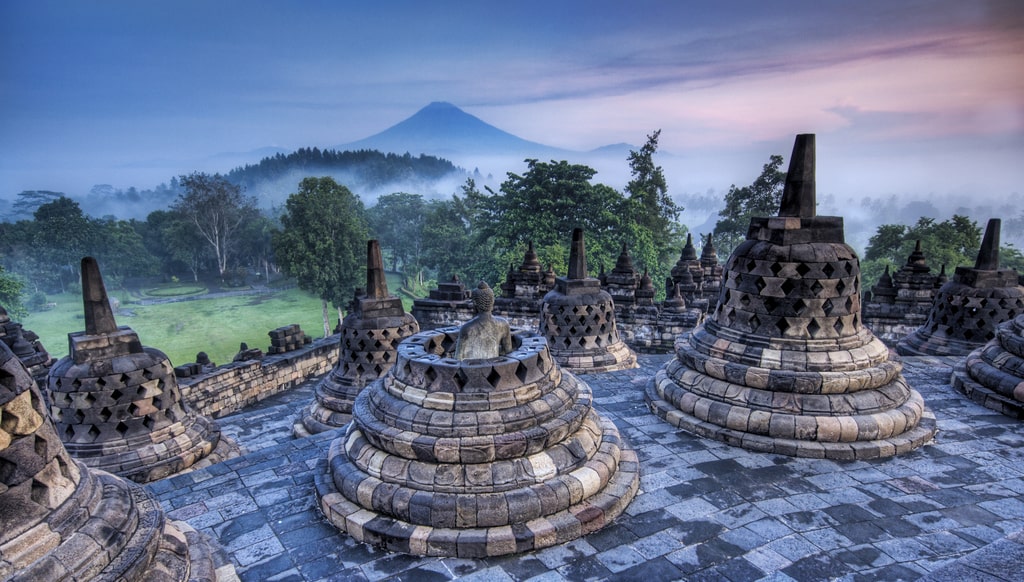
Nestled amidst the lush landscapes of Central Java, the majestic Borobudur Temple stands as a testament to Indonesia's rich cultural tapestry. This architectural marvel, located at coordinates -7.6293983, 110.1998238, is the largest and most renowned Buddhist temple in the world, drawing intrigue with its enigmatic history and artistic grandeur.
History and Origins
Constructed during the reign of the Sailendra Dynasty in the 8th and 9th centuries, Borobudur's origins are deeply intertwined with the region's transition from Hinduism to Buddhism. The temple's creation is attributed to the visionary King Samaratungga, who sought to manifest the Buddhist concept of the universe into a physical form. The structure was mysteriously abandoned in the 14th century as the island's political and religious center shifted, only to be rediscovered under layers of volcanic ash and jungle growth by Sir Thomas Stamford Raffles in the early 19th century.

Art and Architecture
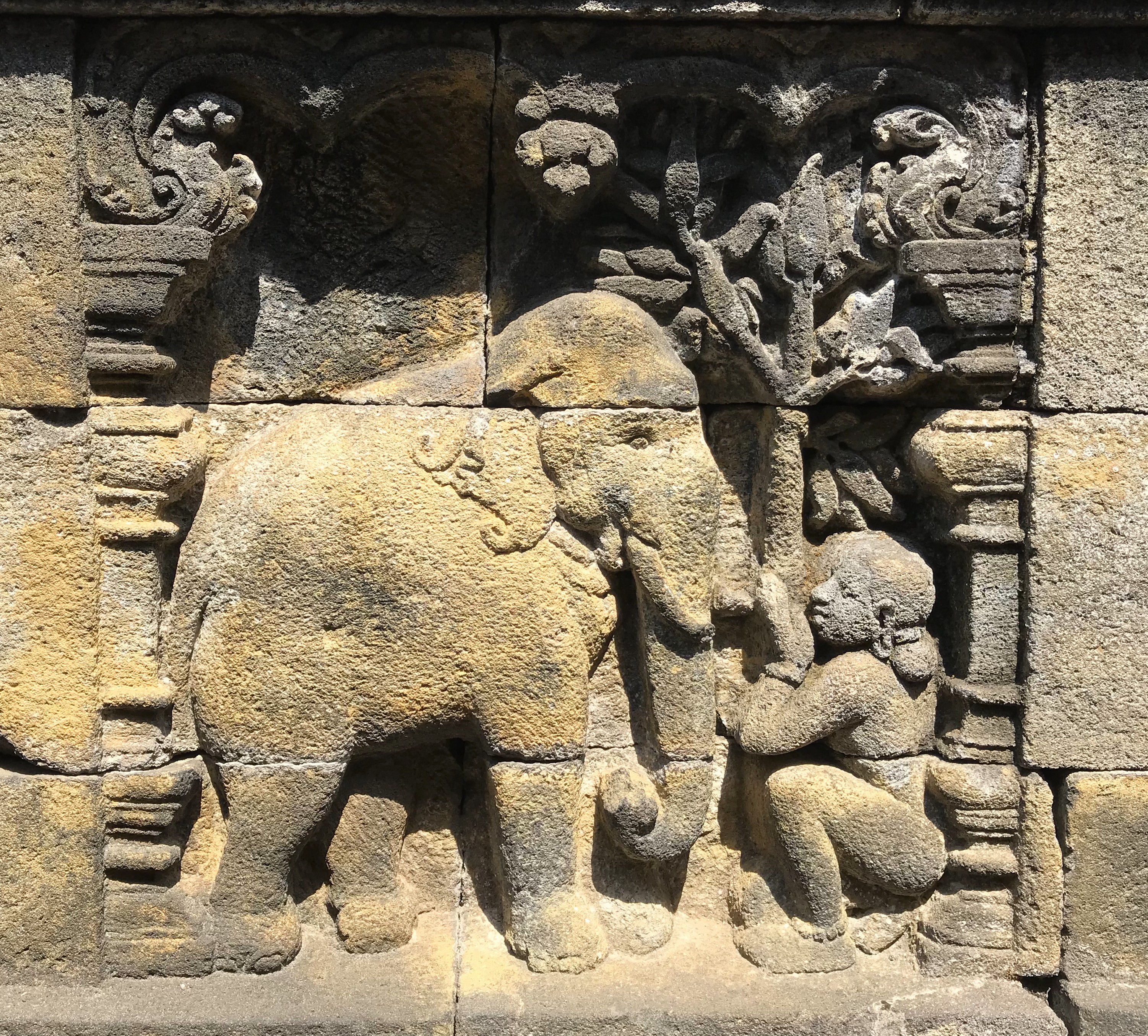
Borobudur's architectural splendor is a complex symphony of design and spiritual symbolism. The temple is built in the shape of a mandala, a geometric configuration representing the cosmos in Buddhist tradition. Its pyramidal base with five concentric terraces, topped by three circular platforms and a grand stupa, is a masterpiece of engineering and artistry. The walls are adorned with over 2,500 square meters of intricate bas-reliefs, illustrating the life of the Buddha and various Buddhist teachings. Notable among these are the Jatakas, depicting the previous lives of Buddha, which are considered some of the finest examples of Buddhist art.
Local Culture and Traditions
Borobudur is not just a relic of the past but remains a vibrant part of local culture. The Vesak festival, commemorating the birth, enlightenment, and death of Buddha, is celebrated here with fervor. Thousands of Buddhists from around the world gather to release lanterns into the night sky, a tradition believed to bring peace and harmony. The temple also plays a role in local customs, with residents often visiting to seek blessings and participate in meditation sessions.
Gastronomy
The region around Borobudur offers a delightful introduction to Javanese cuisine. Traditional dishes such as gudeg, a sweet and savory stew made from young jackfruit, and nasi liwet, a coconut milk-infused rice dish, provide a taste of local flavors. Visitors can also enjoy wedang ronde, a warm ginger beverage with sweet dumplings, perfect for sipping as you explore the temple grounds.
Lesser-known Curiosities
Among Borobudur's many secrets is the unfinished 'hidden foot,' a series of reliefs at the base of the monument that remains partially buried. These panels, thought to depict karmic law, provide insight into the temple's original plans and intentions. Another curiosity is the temple's alignment with nearby Mount Merapi, a still-active volcano, which some believe was intentional, symbolizing a connection between the earth and the divine.
Practical Visitor Information
The best time to visit Borobudur is during the dry season from April to October, ensuring clear skies and pleasant weather for exploring. Arriving at sunrise offers a mesmerizing view of the temple bathed in golden light, emerging from the morning mist. Comfortable walking shoes are essential, as is a respectful dress code due to the site's spiritual significance. Don't miss the chance to explore the nearby Mendut and Pawon temples, which are part of the same Buddhist pilgrimage route.
For a truly tailored journey through Borobudur and beyond, use the Secret World app to create a personalized AI itinerary that uncovers the hidden wonders of Java.
