



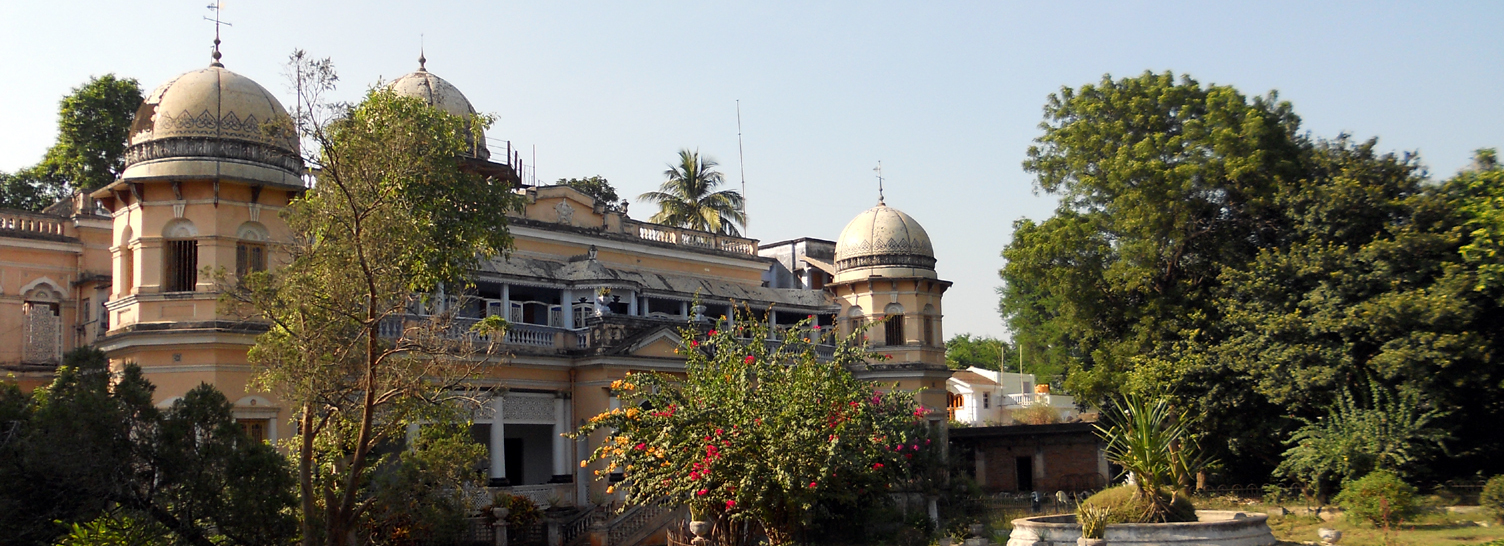
Nestled in the Medinipur district of West Bengal, Jhargram stands as a vibrant tapestry woven from the threads of history, culture, and natural beauty. This enchanting destination has captivated visitors with its lush forests, ancient temples, and majestic palaces, making it a must-visit spot for those seeking a deeper understanding of India’s diverse heritage.
History and Origins
The history of Jhargram is as rich and varied as the land itself. Originally part of the Malla dynasty, which ruled from the 12th century, this region has long been a site of cultural confluence. The establishment of the Jhargram Raj Palace in 1931 marked a significant era in the area’s history, as it became the residence of the erstwhile royal family. The MallaDev family, known for their patronage of the arts and commitment to local welfare, shaped much of Jhargram’s cultural landscape. The palace is not just a monument; it is a testament to the region’s royal lineage and societal evolution over centuries.
Throughout its history, Jhargram has also witnessed significant socio-political changes, especially during the British colonial period. The British saw the strategic importance of the forests and hills, which led to various treaties and changes in local governance. This dynamic history has left an indelible mark on the local culture and traditions, making Jhargram a living museum of sorts.
Art and Architecture
The Jhargram Raj Palace is an architectural marvel that showcases a unique blend of Italian, Islamic, and Bengali styles. Its intricate design features grand arches, ornate columns, and beautiful frescoes that tell stories of the past. The palace’s façade is a splendid sight, framed by lush gardens that enhance its regal charm. The ten rooms that have been converted into a heritage hotel allow visitors to experience the grandeur of royal living while surrounded by meticulously maintained gardens.
Not far from the palace, the Chilkigarh Rajbari, another historical site, reflects the architectural evolution of the region. The Chilkigarh Temple, located nearby, is a significant pilgrimage site, drawing devotees with its intricate carvings and serene ambiance. These structures not only reflect the artistic significance of the period but also serve as a reminder of the cultural dialogues that have influenced this region over centuries.
Local Culture and Traditions
Jhargram is a melting pot of various cultural influences, evident in its vibrant festivals and local customs. The Bengali New Year (Pohela Boishakh) is celebrated with great enthusiasm, featuring traditional music, dance, and feasting. Locals often participate in the Jhargram Mela, a fair that showcases local crafts, art, and cuisine, providing a platform for artisans to display their work.
The area is also known for its indigenous communities, whose traditions and rituals add another layer of richness to Jhargram's cultural fabric. The Santhal and Kora tribal groups, among others, contribute to the area's diversity through their unique customs, folk dances, and festivals, such as Holi and Durga Puja. These events not only celebrate the changing seasons but also foster community bonds and cultural pride.
Gastronomy
The culinary offerings of Jhargram are a delightful exploration of Bengali flavors. Panta Bhat (fermented rice) is a staple, often served with fried fish and green chilies, especially during festive occasions. The region is also known for its Macher Jhol (fish curry) and Shorshe Ilish (hilsa fish in mustard sauce), which are must-tries for any food enthusiast.
For those with a sweet tooth, Sandesh and Rasgulla are local favorites that showcase the finesse of Bengali desserts. Street food is also a vibrant part of Jhargram's culinary landscape, with vendors offering snacks like puchka (pani puri) and jhalmuri (spicy puffed rice), providing an authentic taste of local life.
Lesser-known Curiosities
While many tourists flock to the Jhargram Raj Palace, few venture to explore the Banshihari Dham, an ancient temple dedicated to Lord Krishna, nestled in the woods. This hidden gem offers a tranquil atmosphere and stunning views, allowing visitors to connect with nature away from the bustling crowds.
Additionally, the region is home to several ancient rock carvings that date back to prehistoric times. These petroglyphs, found in nearby Kankrajhor, tell stories of the early inhabitants and their way of life, offering a fascinating glimpse into the past that often goes unnoticed.
Practical Visitor Information
The best time to visit Jhargram is between October and March, when the weather is cooler and more pleasant for exploring. Summers can be scorching, with temperatures soaring up to 46 degrees Celsius, while winters can dip to a chilly 4 degrees, making spring and autumn ideal for travel.
When in Jhargram, be sure to take leisurely walks through the forests, visit the local markets, and engage with the friendly locals to truly experience the essence of this vibrant community. Carrying cash is advisable, as many small vendors may not accept cards.
Jhargram is a destination that beautifully encapsulates the essence of West Bengal, offering a unique blend of history, culture, and nature. Whether you are exploring the stunning architecture of the Raj Palace, indulging in local delicacies, or immersing yourself in the rich traditions of its people, every moment spent here is a step into a world of enchantment.
To make the most of your visit to Medinipur, consider using the Secret World app for a tailored travel itinerary.
