
← Back

Joal Fadiouth, the island of shells

Joal-Fadiouth, Senegal ★★★★☆ 262 views
kelly Paxton
Joal-Fadiouth
🏆 AI Trip Planner 2026

Get the free app

Discover the best of Joal-Fadiouth with Secret World — the AI trip planner with 1M+ destinations. Get personalized itineraries, hidden gems and local tips. Free on iOS & Android.

🧠 AI Itineraries 🎒 Trip Toolkit 🎮 KnowWhere Game 🎧 Audio Guides 📹 Videos
Scan to download iOS / Android
Scan for AppGallery Huawei users

About Joal Fadiouth, the island of shells

Joal Fadiouth, the island of shells - Joal-Fadiouth | Secret World Trip Planner

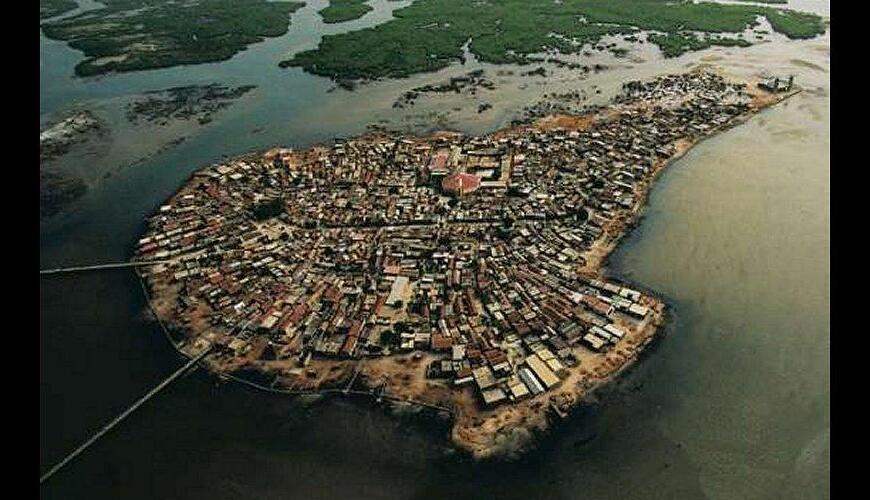
Starting from Dakar, Joal Fadiouth is easily reached by taxi brousse, the classic African sept places. If you know Senegal, and West Africa in general, you know that the taxi brousse is a big car - often held together with wire, nails and adhesive tape - used to transport seven people, driver excluded.the great peculiarity of the taxi brousse is to leave when all the seats have been occupied or, better said, paid. Joal Fadiouth is a fishing village located on a small island at the end of Petite Cote. It is a strip of land covered entirely with shells, the result of the constant accumulation of shells made by the inhabitants of the area over the centuries.Inhabited mainly by the sérère ethnic group, Joal is one of the most important fishing areas in the country. This, in addition to its strategic position on the map and the fact that it was the birthplace of Léopold Senghor, the first President of the Republic of Senegal, makes Joal, despite its modest size, an important center in the country's economy. One of the most intense moments to be experienced in Joal, which sees it awaken from its long daily sleep, is the arrival of the fishermen's pirogues: waiting for them are women, children and elderly people who seem to be working piecework as in an assembly line, collecting fish, cleaning them and putting them in boxes ready for sale.The island, also known as "Shell Island", is only 500 metres long and its inhabitants have always been dedicated to the collection and trade of molluscs of all kinds, mainly oysters and scallops. The shells piled up for centuries have been used to build houses, churches, mosques and any other building on the island, including the roads and the small cemetery from which splendid decorations sprout. The bricks are mixed with fragments of shells and the most beautiful ones are used for decoration.

Buy Unique Travel Experiences

Powered by Viator

See more on Viator.com

Frequently Asked Questions

You can reach Joal Fadiouth easily from Dakar by taking a taxi brousse, the classic African shared taxi that seats seven passengers plus the driver. The taxi brousse departs once all seats are paid for, so you may need to wait until it fills up before leaving.
Joal Fadiouth is covered entirely with shells that have accumulated over centuries from the inhabitants' collection and trade of molluscs, particularly oysters and scallops. These shells have been used to construct houses, churches, mosques, roads, and even the cemetery, with the most beautiful shells incorporated as decorative elements in the buildings.
The most intense and memorable moment to experience Joal is when the fishermen's pirogues arrive, as the entire community comes alive with women, children, and elderly working in assembly-line fashion to collect, clean, and box fish for sale. Plan your visit around the fishing boats' return to witness this authentic daily spectacle.
Joal Fadiouth is the birthplace of Léopold Senghor, the first President of the Republic of Senegal, making it an important historical center despite its modest size. Combined with its status as one of Senegal's most important fishing areas, the village holds significant cultural and economic importance to the country.
Joal Fadiouth is inhabited mainly by the sérère ethnic group, who have traditionally been dedicated to fishing and the collection and trade of molluscs. The village's economy and way of life revolve around these maritime activities that have shaped the island for centuries.