
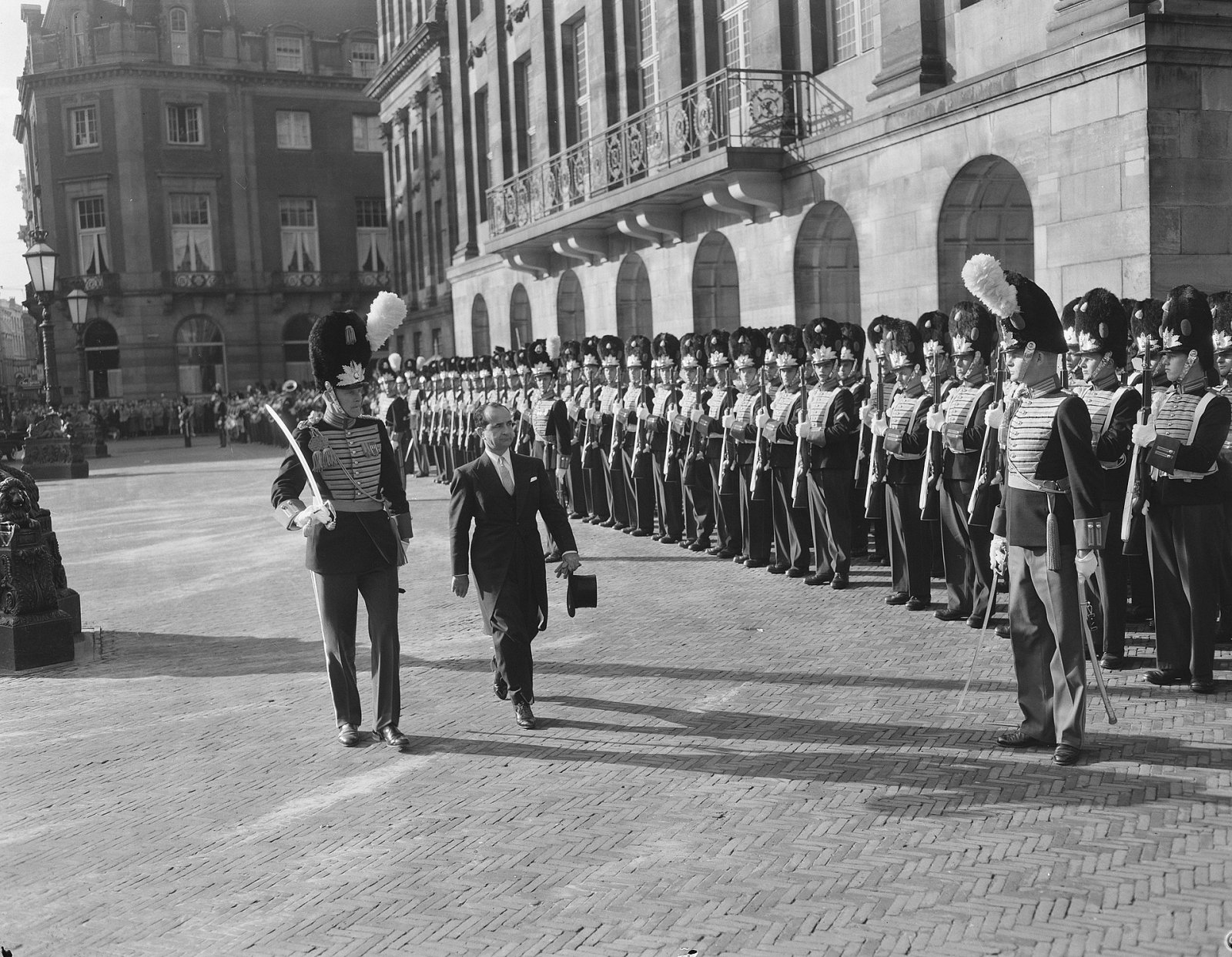

In the heart of Costa Rica, the figure of José Figueres Ferrer stands as a symbol of a nation that has managed to reinvent itself through progress and social justice. A prominent politician, Figueres served as President during three different periods, from 1948 to 1974, leaving an indelible mark on the country's history. His vision for a Costa Rica without an army and with civil rights extended to all was revolutionary for the time.
Figueres was born on September 25, 1906, in San Ramón, in the province of Alajuela, to parents who immigrated from Catalonia. His education, which began in a family context of teaching and medicine, led him to study hydroelectric engineering at MIT in Boston. Upon returning home, he started a farm called "La Lucha Sin Fin," which reflected his fighting spirit and desire for change.
History and Origins
José Figueres Ferrer is known for abolishing the Costa Rican army during his first term, a bold act that marked the beginning of a new era for the country. This decision not only made Costa Rica an example of peaceful democracy but also allowed for the redirection of resources towards education and healthcare. Under his leadership, the country nationalized the banking sector and granted voting rights to women and Afro-Costa Ricans, marking a significant turning point in the struggle for civil rights.
His legacy is visible not only in politics but also in Costa Rican culture. Figueres was a pioneer in promoting inclusion and diversity, values that continue to be celebrated in today's society. His figure is a constant reminder of the importance of social justice and civic participation.
Points of Interest
When visiting Costa Rica, it is possible to explore various locations that tell the story of Figueres and his impact on the nation. Museums and cultural centers dedicated to his life offer an in-depth perspective of his policies and vision. Among the must-see places is the National Museum, which houses historical artifacts and documents that testify to the social change that occurred under his leadership.
Additionally, visitors can also explore the coffee plantations and farms that Figueres helped develop, where one can appreciate the natural beauty of Costa Rica along with its agricultural culture. These places not only tell the story of a man but also reflect the resilience and creativity of the Costa Rican people.
Why It Is Relevant Today
Today, the figure of José Figueres Ferrer is more relevant than ever, as the world faces similar challenges in terms of human rights and social justice. His legacy continues to inspire new leaders and movements in Costa Rica and beyond. His vision of a country without an army and focused on the well-being of its citizens is a model to follow in an era where peace and cooperation are essential.
In a time of increasing political polarization, Figueres' message about the need for open and constructive dialogue is more relevant than ever. His progressive policies represent an example of how change is possible when working for the common good.
Practical Information for Visitors
For those wishing to delve into the life and legacy of José Figueres Ferrer, it is advisable to plan a visit to San Ramón and the surrounding areas. Here, visitors can immerse themselves in the local culture, participate in historical tours, and discover Costa Rican heritage. Additionally, the local cuisine offers traditional dishes that reflect the richness of the country's biodiversity.
Finally, for those seeking a unique and authentic travel experience, the Secret World app offers tips and personalized itineraries to best explore Costa Rica, allowing one to discover not only the history of Figueres but also the natural and cultural beauty of this fascinating nation.


