
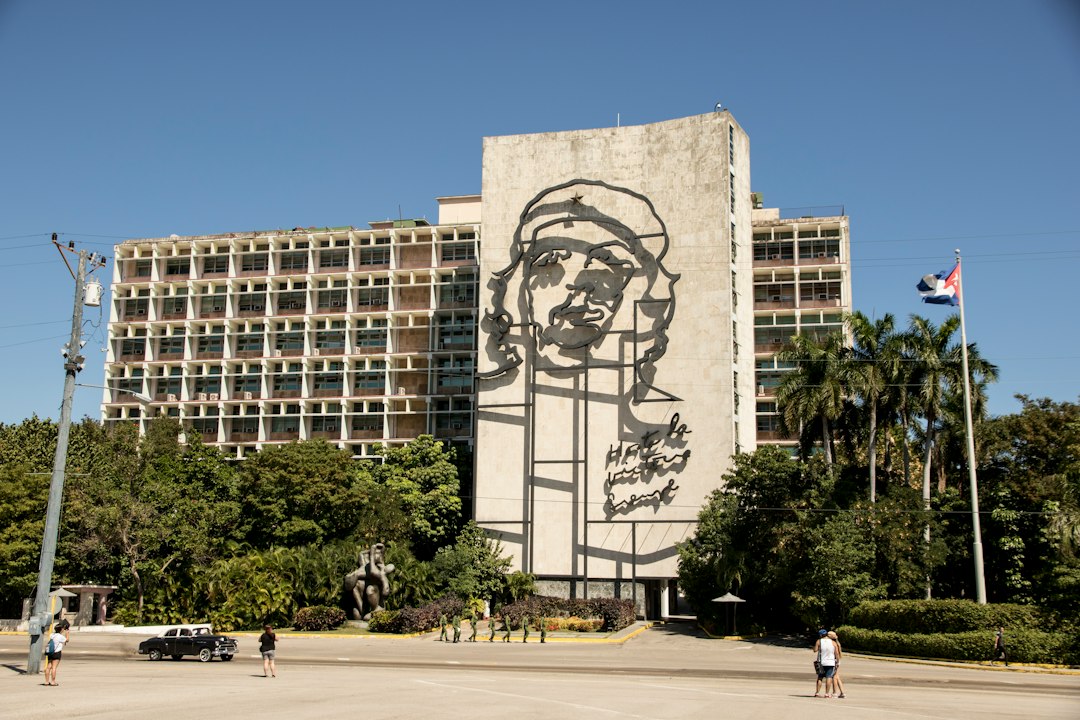

In the heart of Cuba, José Martí represents a central figure not only in the history of the island but also in the literary and political landscape of all Latin America. Born in Havana in 1853, Martí is remembered as the "Apostle of Cuban Independence" for his tireless commitment to the fight against Spanish colonialism. His life and works continue to inspire generations of Cubans and beyond, representing a symbol of freedom and justice.
Martí was not only a politician but also a poet, philosopher, and journalist, able to unite his passion for writing with social activism. With an important career that took him traveling between Spain, Latin America, and the United States, he sought to gather support for the Cuban cause, becoming a reference point for many intellectuals and activists.
History and Origins
The life of José Martí is marked by a strong political and cultural commitment from a young age. His activity as a writer and journalist intertwines with his activism, helping to raise public awareness about the issue of Cuban independence. In particular, his literary work reflects the aspirations and sufferings of the Cuban people, making him a symbol of hope and resistance.
Martí was a staunch supporter of unity among the peoples of Latin America, promoting the idea that Cuba's freedom was part of a broader struggle for social justice and emancipation. His political thought and philosophical ideas profoundly influenced the Cuban independence movement, culminating in his sacrifice during the independence war in 1895.
Elements to Observe
When visiting Cuba, it is impossible not to encounter references to José Martí. His image is ubiquitous, from commemorative monuments to public squares. One of the most emblematic places is the Monument to Martí, located in the Plaza de la Revolución in Havana, where a large bronze statue depicts him in all his dignity. This site not only celebrates his life but also serves as a meeting point for cultural and political events.
Moreover, his writings, which range from poetry to journalism, are an integral part of Cuban cultural heritage. His works are studied in schools and are a source of inspiration for young writers and activists. Visitors can also explore Martí's Birthplace, located in the center of Havana, which offers an intimate glimpse into his life and thoughts.
Why It Is Interesting Today
Today, José Martí is more than just a national hero; he represents an ideal of freedom and justice that resonates worldwide. His ideas on human dignity and the importance of education remain relevant in an era where many peoples struggle for their rights. His figure is often evoked in contemporary debates on sovereignty and self-determination of peoples.
In a rapidly changing global context, Martí's thought offers insights on how to address current challenges. His ability to unite different cultures and nations in the fight for freedom is an example of how literature and art can influence social change. Today, Cubans and others continue to celebrate his legacy, keeping his memory alive through events and demonstrations.
Practical Information for Visitors
For those wishing to delve deeper into the figure of José Martí, Havana offers numerous opportunities. It is advisable to visit Martí's Birthplace and the Monument to Martí, both easily accessible by public transport or on foot. Many guided tours include stops dedicated to Martí's life and work, providing an immersive and educational experience.
Additionally, for a more interactive experience, it is possible to download the Secret World app, which offers detailed information about historical sites and significant figures in Cuba, allowing visitors to explore the island's history in an engaging and informative way.


