
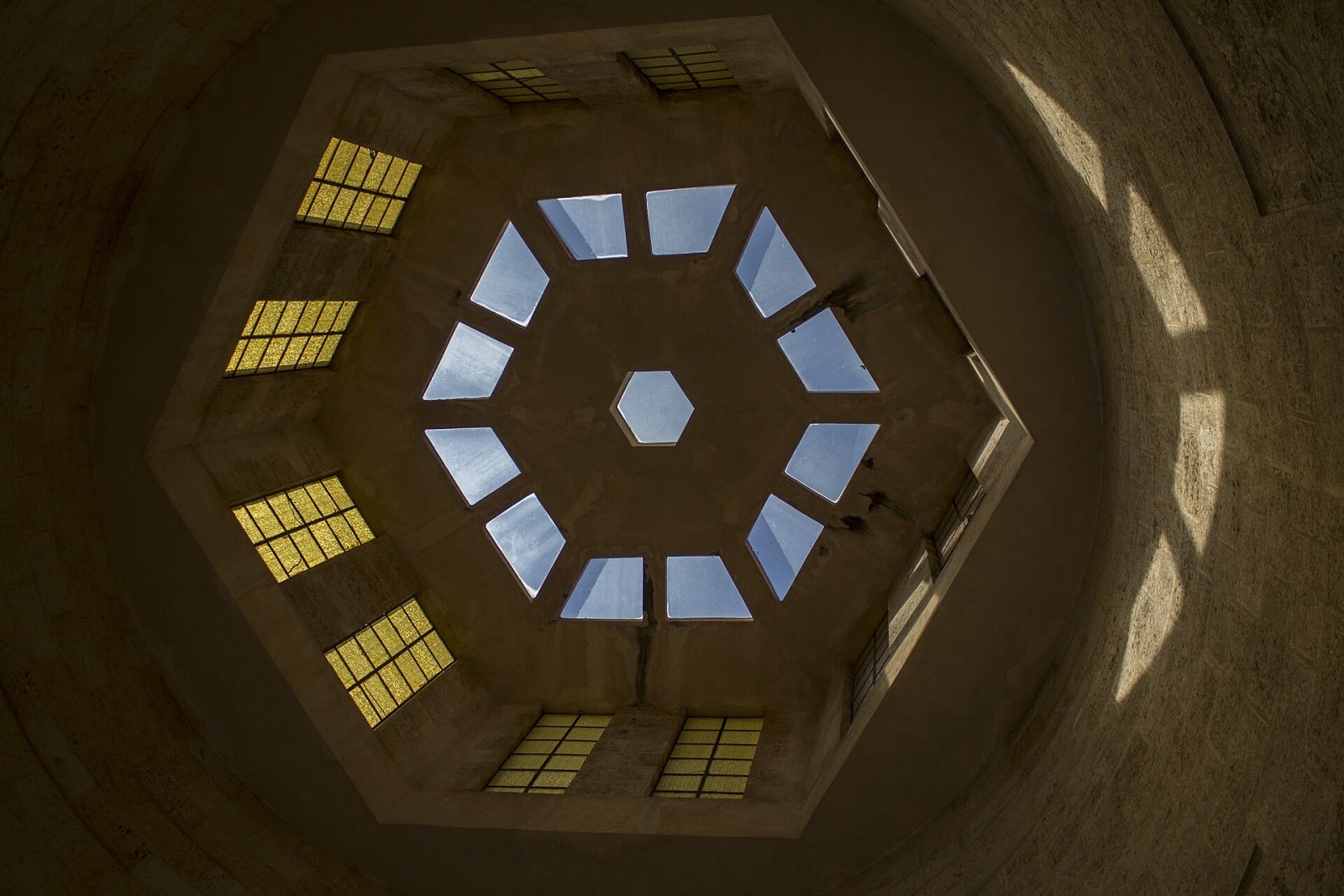

José Martí is a central figure in the history of Cuba, a man whose life and work have left an indelible mark on the heart and mind of the Cuban people. Born in Havana in 1853, Martí became a symbol of the struggle for the island's independence from Spanish rule. His dedication to the cause of freedom and justice made him a national hero, a poet, and a thinker whose influence extends far beyond the borders of Cuba.

His political and social commitment began to manifest at a very young age, leading him to travel to various nations to promote the idea of Cuban independence. His life was characterized by a constant search for freedom, not only for his country but also for all Spanish Americans, making him a reference figure in Latin American literature and philosophy.
History and Origins
Martí began his activist career at the age of 15 when he was arrested for his opposition to the Spanish colonial regime. After his release, he moved to Spain, where he continued to write and fight for the Cuban cause. His most significant work, "Nuestra América," is a manifesto for Latin American identity and a call for unity against imperialism.
In 1895, Martí returned to Cuba to participate in the war of independence against Spain. His death in battle became a symbol of the struggle for freedom, inspiring generations of Cubans to continue his work. His legacy is celebrated throughout the country, and his thoughts continue to influence political and cultural debate in Cuba and beyond.
Elements to Observe
When visiting Cuba, it is impossible not to notice Martí's importance in Cuban culture. Statues and monuments dedicated to him are scattered throughout the country, and his portrait is often present at public events and in schools. The Plaza de la Revolución in Havana is one of the most emblematic places, where a large monument dedicated to him attracts visitors from all over the world.
Additionally, the Casa Natal of José Martí, located in Havana, is a museum that offers an in-depth look at the life and works of this great man. Here, visitors can explore his childhood, his writings, and his impact on Cuban history, paying tribute to the one who dedicated his life to the struggle for freedom.
Why It Is Interesting Today
Today, José Martí's legacy is more relevant than ever. In a world where issues of freedom and justice continue to be at the center of public debate, Martí's ideas on human dignity and self-determination resonate strongly. His vision of a united and free Latin America is a source of inspiration for many contemporary activists.
Moreover, his thoughts have found new interpreters and supporters who continue to spread his message of hope and resistance. Martí's figure has become a symbol of struggle not only for Cubans but also for all those who aspire to a fairer and more equitable world, making him a subject of study and reflection for future generations.
Practical Information for the Visitor
For those wishing to explore the life and legacy of José Martí, Havana is the ideal starting point. The city offers a rich range of cultural and historical activities related to this great patriot. It is advisable to visit the Casa Natal and the Plaza de la Revolución, but also to participate in cultural events that celebrate his contribution to literature and politics.
Finally, for those who wish to delve further into Martí's life and the Cuban historical context, the Secret World app can provide valuable information and suggestions on itineraries and places to visit, making the experience even more engaging.


